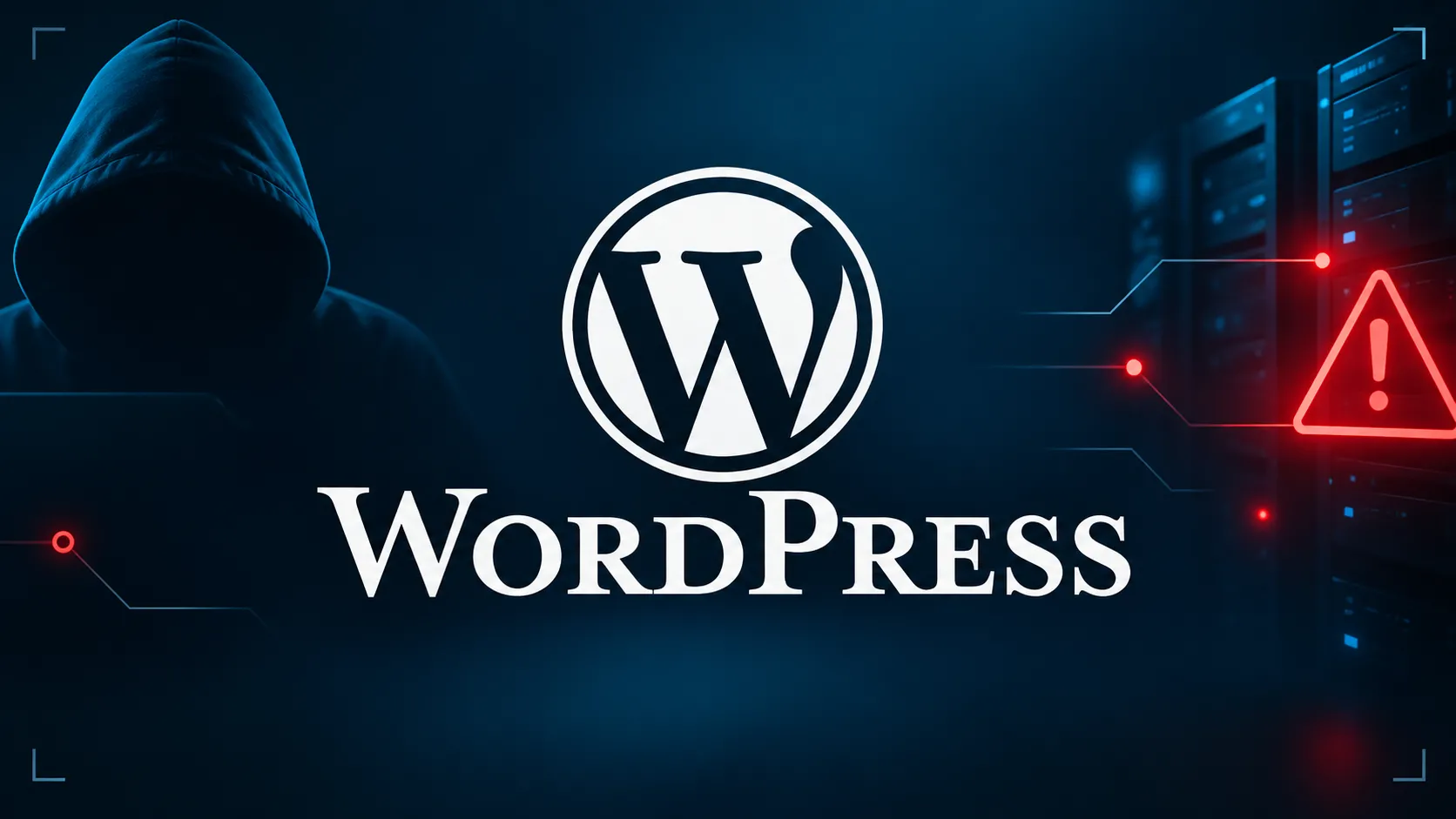
In an ongoing effort to safeguard digital sovereignty and reinforce robust cyber defenses across Morocco, national authorities have sounded the alarm regarding serious security flaws affecting widely used WordPress plugins and templates. The General Directorate for Information Systems Security (DGSSI), a leading national institution dedicated to protecting information systems and digital infrastructure, released an urgent advisory highlighting multiple vulnerabilities that could expose web platforms to malicious exploits.
Understanding the WordPress Security Risks and Affected Components
According to the official advisory bulletin released by Moroccan cyber authorities, several specific versions of popular content management components contain loopholes that malicious actors could potentially exploit. Among the systems identified in the alert are the Elementor Website Builder up to and including version 4.3.5, as well as Contact Form 7 for versions older than 6.2.4. The scope of affected versions varies across different add-ons, templates, and plugins, creating a diverse threat landscape for webmasters managing digital platforms.
Experts emphasize that failing to patch these security gaps can lead to severe operational disruptions. If left unaddressed, threat actors could leverage these vulnerabilities to execute remote code, upload malicious files onto targeted servers, escalate user privileges without authorization, access sensitive organizational or personal data, or trigger complete denial-of-service (DoS) conditions. The severity of each impact depends entirely on the specific nature of the vulnerability and whether proper security configurations have been implemented.
Proactive Measures and National Cyber Resilience in Morocco
In light of these developments, cybersecurity professionals across Morocco are urging all web administrators, digital agencies, and enterprise IT departments to immediately audit their digital assets. Website managers are strongly advised to cross-reference their currently installed plugin and template versions against official developer security bulletins and deploy the latest patched updates without delay.
This advisory underscores Morocco's proactive stance in maintaining a secure and resilient digital ecosystem. As institutions and businesses throughout major Moroccan hubs—including Rabat, Casablanca, and Marrakech—accelerate their digital transformation journeys, robust cybersecurity frameworks remain paramount to defending critical infrastructure against evolving global cyber threats.
As reported by anwarpress.com.