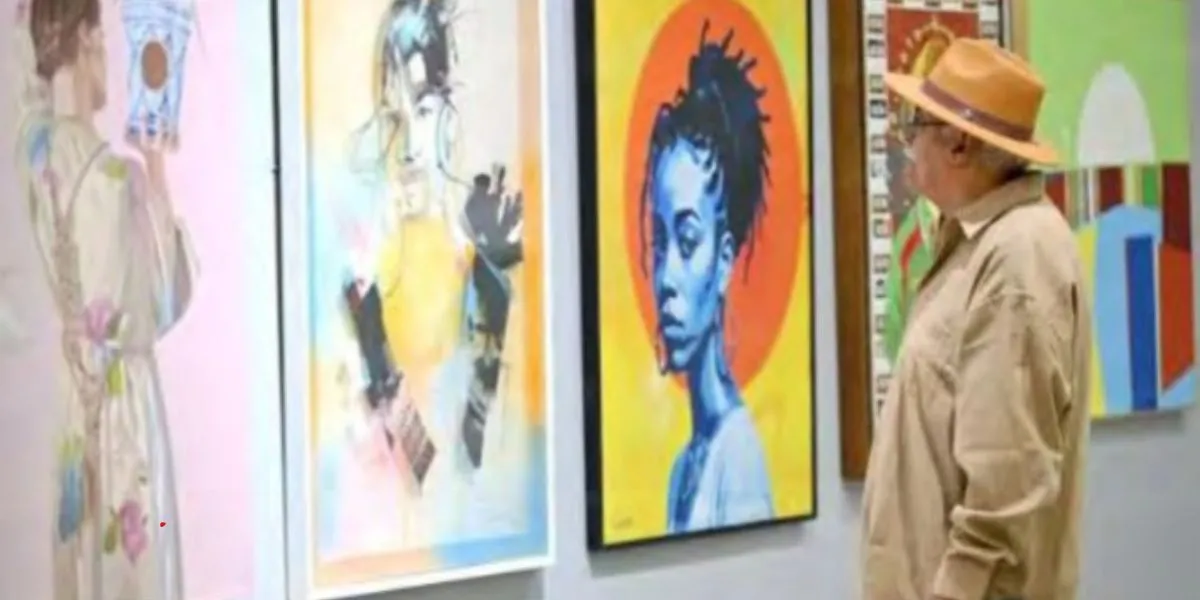
Morocco is currently witnessing a profound celebration of its vibrant cultural heritage as the landmark national exhibition, "60 Years of Plastic Arts in Morocco," continues its inspiring journey across the Kingdom. After captivating audiences in Rabat and Casablanca, this prestigious retrospective has arrived in the vibrant cultural hub of Marrakech, running through November 30. Organized under the esteemed High Patronage of His Majesty King Mohammed VI and spearheaded by the Moroccan Union of Professional Plastic Artists (SMAPP), the exhibition offers an immersive deep-dive into six decades of aesthetic transformation, national identity, and artistic innovation.
More than just a collection of galleries and canvases, the grand exhibition bridges generations of Moroccan creators. It weaves together the visionary works of historical pioneers who helped establish a distinct national modernism with the daring experiments of contemporary digital artists, performers, and installation creators. By bringing together diverse artistic languages under one overarching national narrative, the event highlights how Moroccan art has continuously evolved in tandem with the country's rapid social, economic, and urban development.
Tracing the Roots of Moroccan Modernity
To fully appreciate the scope of the exhibition, one must look back at the transformative decades of the 1960s and 1970s in Morocco, a period defined by the forging of an independent, self-confident artistic identity. During these formative years, visionary artists sought to break away from both rigid academic conventions inherited from the colonial era and superficial folkloric representations of Moroccan culture. Instead, they pioneered new visual vocabularies that drew heavily on local traditions, geometric signs, and material experimentation.
A cornerstone of this movement was the legendary Casablanca School, championed by luminaries such as Farid Belkahia, Mohamed Melehi, and Mohamed Chabâa. These trailblazers redefined the role of the artist, taking art out of isolated studios and integrating it directly into public spaces, architecture, and everyday societal discourse. Alongside contemporaries like Ahmed Cherkaoui, Jilali Gharbaoui, and Chaïbia Talal, they demonstrated that Moroccan modernity is inherently pluralistic, built upon a rich tapestry of distinct yet complementary aesthetic pursuits.
Intellectual Dialogue and the Evolution of Media
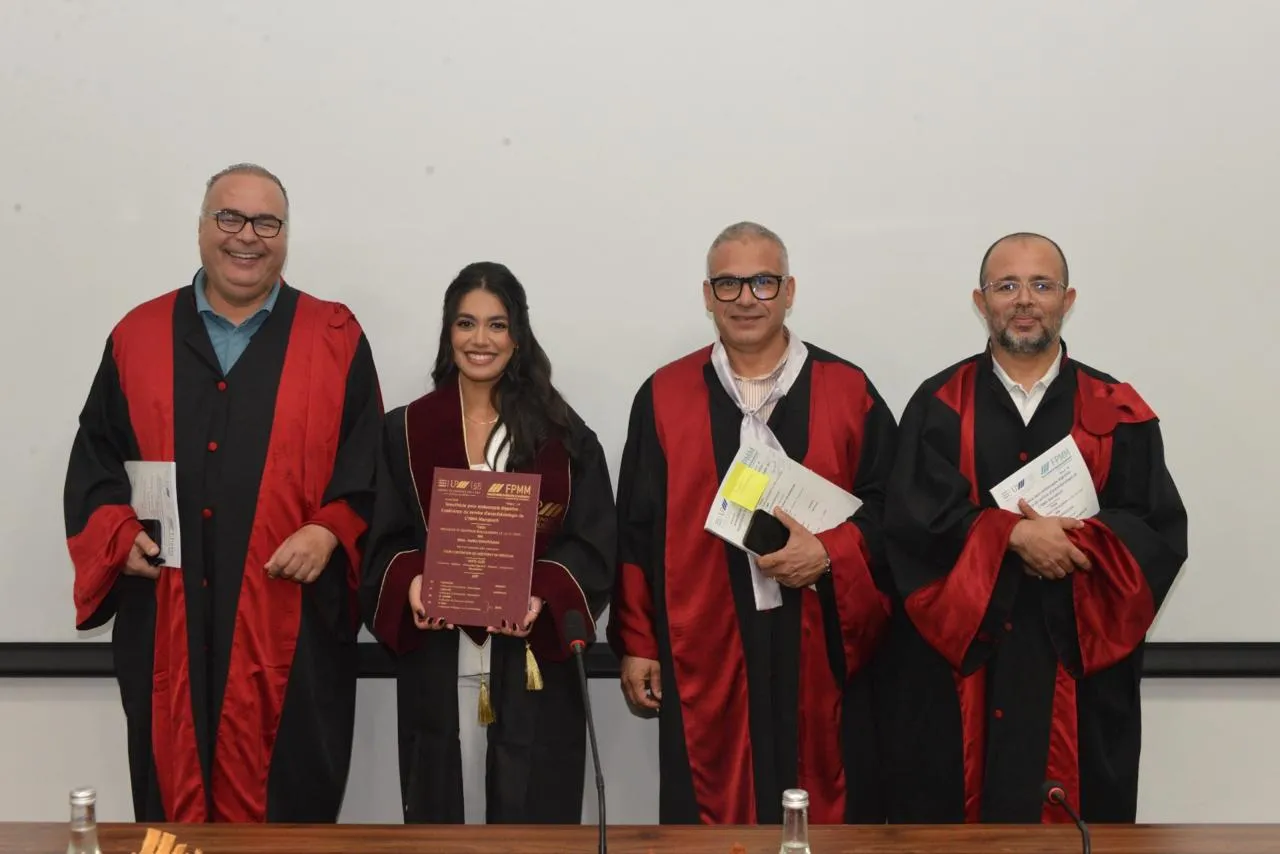
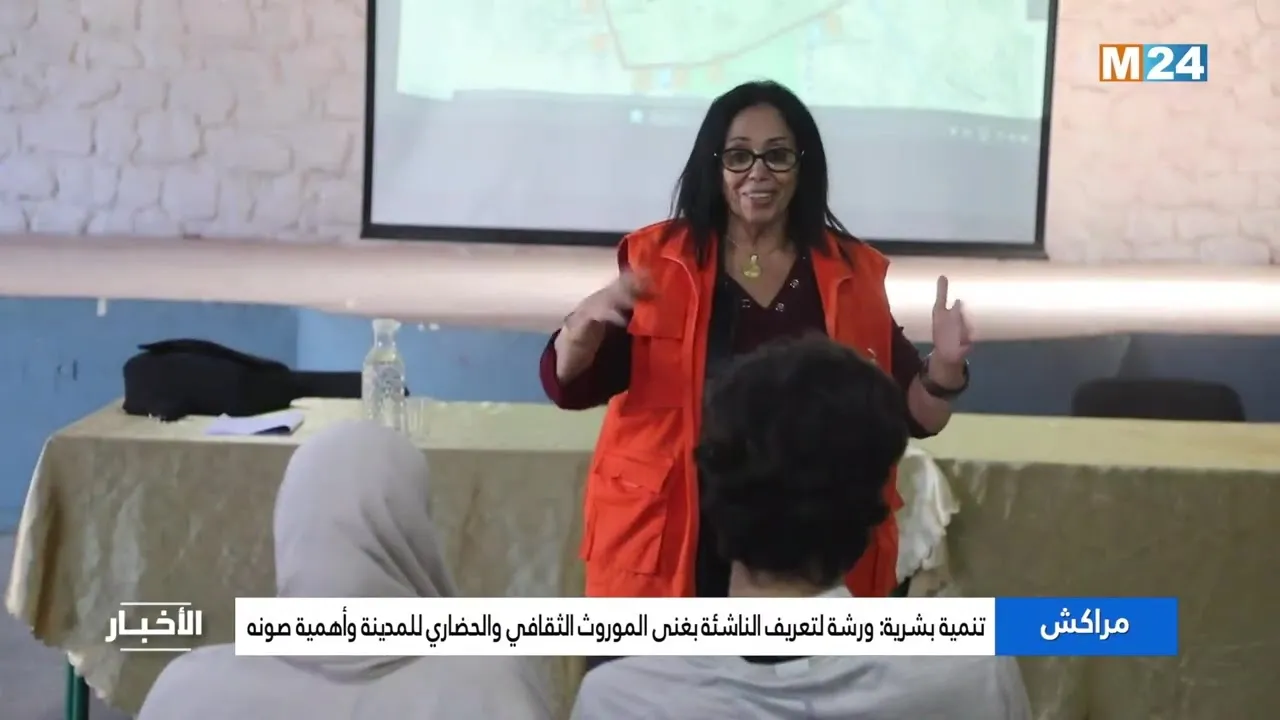
As the exhibition made its notable stop in Marrakech, it sparked vital academic and critical discussions, notably through a high-level intellectual symposium hosted in partnership with the Cadi Ayyad University Digital University Library. Researchers, philosophers, and art critics gathered to dissect how contemporary Moroccan art has expanded far beyond traditional painting into multimedia installations, photography, video, and performance art.
Experts such as researcher Abdeslam Kabbas and critic Mohamed Chouika explored the fascinating intersections between plastic arts and cinema, highlighting how shifting visual technologies and modern lifestyles have fundamentally altered the spectator's relationship with the artwork. Meanwhile, artist and critic Benyounes Amirouche emphasized the imperative for rigorous critical theory and documentation to accompany this creative explosion, ensuring that the methodologies of emerging generations are properly understood and contextualized within the broader continuum of Moroccan art history.
Preserving Memory and Inspiring Future Generations
At its core, "60 Years of Plastic Arts in Morocco" serves as an invaluable exercise in cultural preservation. Building upon previous milestones such as the "50 Years of Painting in Morocco" initiative in 2015, this traveling exhibition ensures that the legacy of Moroccan masters is actively transmitted to younger generations. By engaging audiences across historic venues—from Rabat's Bab Rouah Gallery to Casablanca's cultural spaces and Marrakech's Daoudiate Cultural Center—the project democratizes access to high art while honoring legends like the late painter Omar Bouragba.
As SMAPP President Mohamed Mansouri Idrissi noted during the Marrakech debates, the ultimate success of this national endeavor lies in fostering an active dialogue between academia, artists, and the public. By documenting sixty years of relentless reinvention, Morocco reaffirms its status as a powerhouse of contemporary creativity in Africa and the Mediterranean, laying down a robust cultural foundation for the artists of tomorrow.
As reported by leseco.ma.