Morocco's Strategic Push for EU Market Inclusion
As Morocco endeavors to fortify its burgeoning industrial sector, it is actively seeking preferential treatment under the European Union's newly proposed Industrial Acceleration Regulation. This regulation, spearheaded by the European Commission, aims to shield European-made products and the jobs associated with them from the influx of goods from third countries, particularly China. Morocco, which has enjoyed a favorable position in the European market, is now lobbying for a more advantageous stance within this regulatory framework, aided by the support of Spain's ruling PSOE party despite ongoing tensions related to Ceuta.
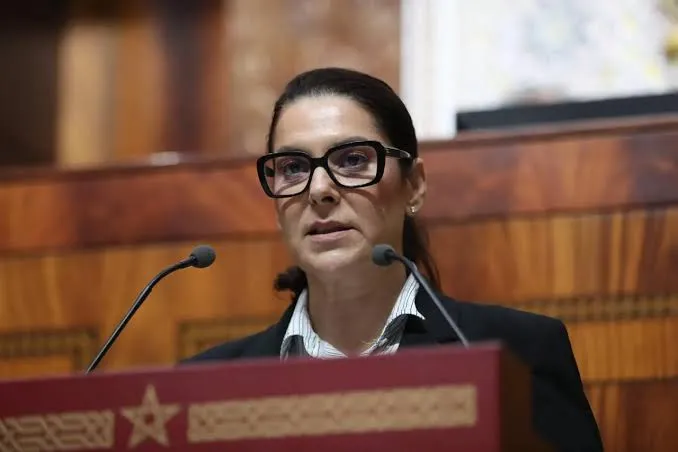
Abin Lemseffer, the international representative of Morocco's General Confederation of Enterprises (CGEM) and a close ally of King Mohammed VI, has been proactive in the discussions taking place in the European Parliament. Lemseffer expressed her hope for a dual recognition from the European Parliament: the acknowledgment of Moroccan components in European industrial value chains and a tailored solution for vehicles assembled in Morocco. This push has resulted in a proposed amendment by a dozen PSOE europarliamentarians, which seeks to modify the restrictive proposals set forth by the European Commission in favor of Morocco and other allied nations. They advocate for a transitional period during which Morocco, Turkey, and Serbia could receive more favorable treatment under the regulation.
Conflicting Views on European Manufacturing Policies
In contrast, Spain's Popular Party (PP) stands firmly against any modifications that might dilute the protection of European manufacturing. The party, represented by figures such as Alberto Nadal, argues that the Industrial Acceleration Regulation should serve to bolster the Spanish and broader European automotive industry, ensuring that production and added value remain within Europe. Nadal criticizes the PSOE's amendments, asserting that granting preferential treatment to third countries could undermine European standards and allow external entities to unfairly benefit from European public funds. The PP's proposed amendments emphasize strict criteria that would limit the 'Made in Europe' label to products originating from EU member states and closely associated regions, thereby excluding Morocco.
Additionally, the ongoing negotiations in the European Parliament are crucial for the Spanish automotive sector, which plays a significant role in the national economy, contributing 10% to the GDP and providing nearly two million jobs. The PP insists that it is not sufficient for vehicles to be assembled in Europe if a substantial portion of their components originate from outside the EU. While the party is not entirely opposed to external battery production, it advocates for a gradual reduction in reliance on non-European sources.
As the deadline for negotiations approaches in December, both Morocco and Spain are closely monitoring the developments, as the outcomes will have lasting implications for their respective industries. The ongoing dialogues reflect the complexities of international trade and the delicate balance between protecting local economies and fostering global partnerships. Morocco's Lemseffer emphasizes the need for reciprocity among nations benefiting from EU policies while calling for practical solutions that recognize the realities of global supply chains.
As reported by elmundo.es.