Strategic Energy Investments in Morocco
As Morocco continues to enhance its energy capabilities, concerns are growing in Spain regarding the potential ramifications for diplomatic relations. Manuel Argüelles, the former director general of energy for the Valencia region, has voiced apprehensions that Morocco's new energy projects could significantly reduce Spain's leverage in future diplomatic tensions. In a recent opinion piece published on November 1, Argüelles highlighted the current advantages Spain enjoys due to its energy exports to Morocco, which amounted to 3,880 gigawatt-hours in 2025, representing nearly 8% of Morocco’s national demand. Furthermore, Spain plays a crucial role in Morocco's importation of liquefied natural gas, which is transported through the reverse-flow Maghreb-Europe gas pipeline. However, Argüelles warns that as Morocco develops its energy infrastructure, particularly its own gas import terminals, this delicate balance of influence could shift dramatically in favor of Rabat.
Concerns Over the Nador West Med Project
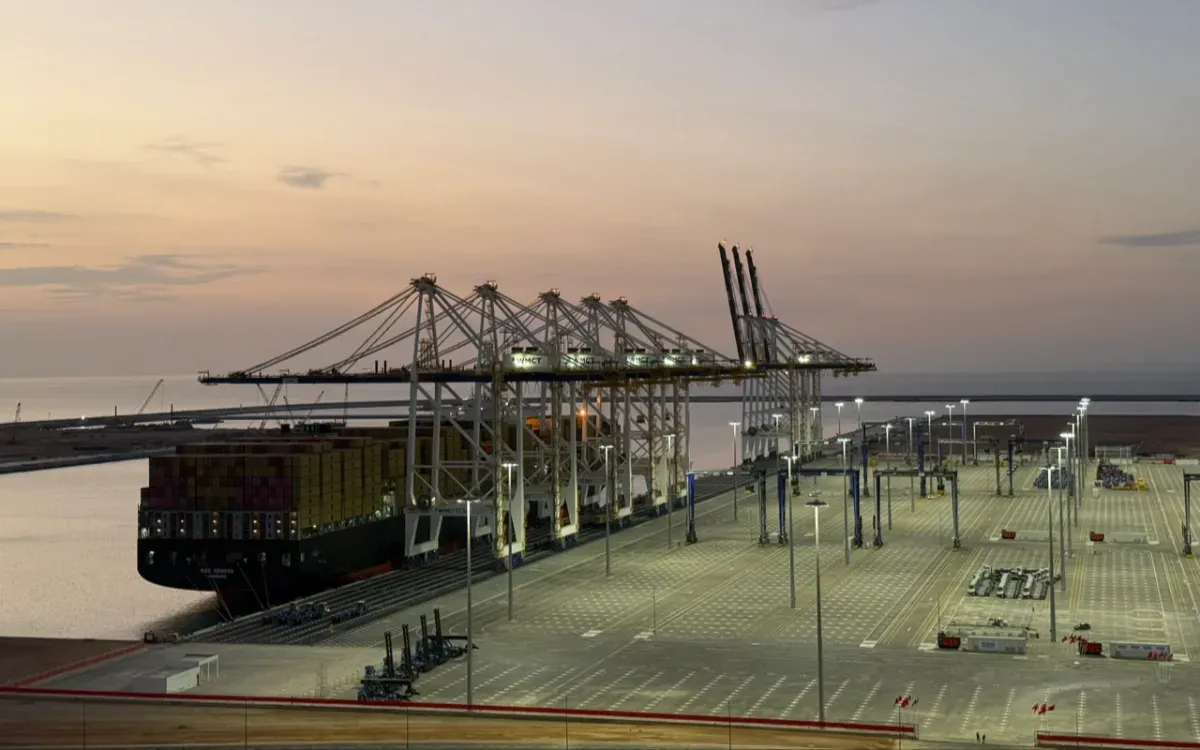
Central to these concerns is the Nador West Med project, which aims to establish Moroccan facilities for gas imports. This initiative would allow Morocco to source gas directly from international markets, bypassing the necessity of Spanish terminals altogether. A royal cabinet statement from October 28 confirmed plans for a liquefied natural gas terminal capable of processing up to five billion cubic meters per year, further solidifying Morocco's energy independence. Additionally, Morocco has rekindled its energy cooperation with Portugal and is exploring direct electric connections with France, which could provide alternative routes for energy exchange with Europe. Argüelles cautions that should these projects come to fruition, Spain could find its energy influence diminished, as it may not be able to exert the same level of pressure on Morocco in times of conflict. He criticizes Spanish authorities for not adequately recognizing the gravity of these developments, which could ultimately reshape energy dynamics in the region and lessen Spain's strategic position.
As reported by bladi.net.