Understanding the Global Religious Landscape
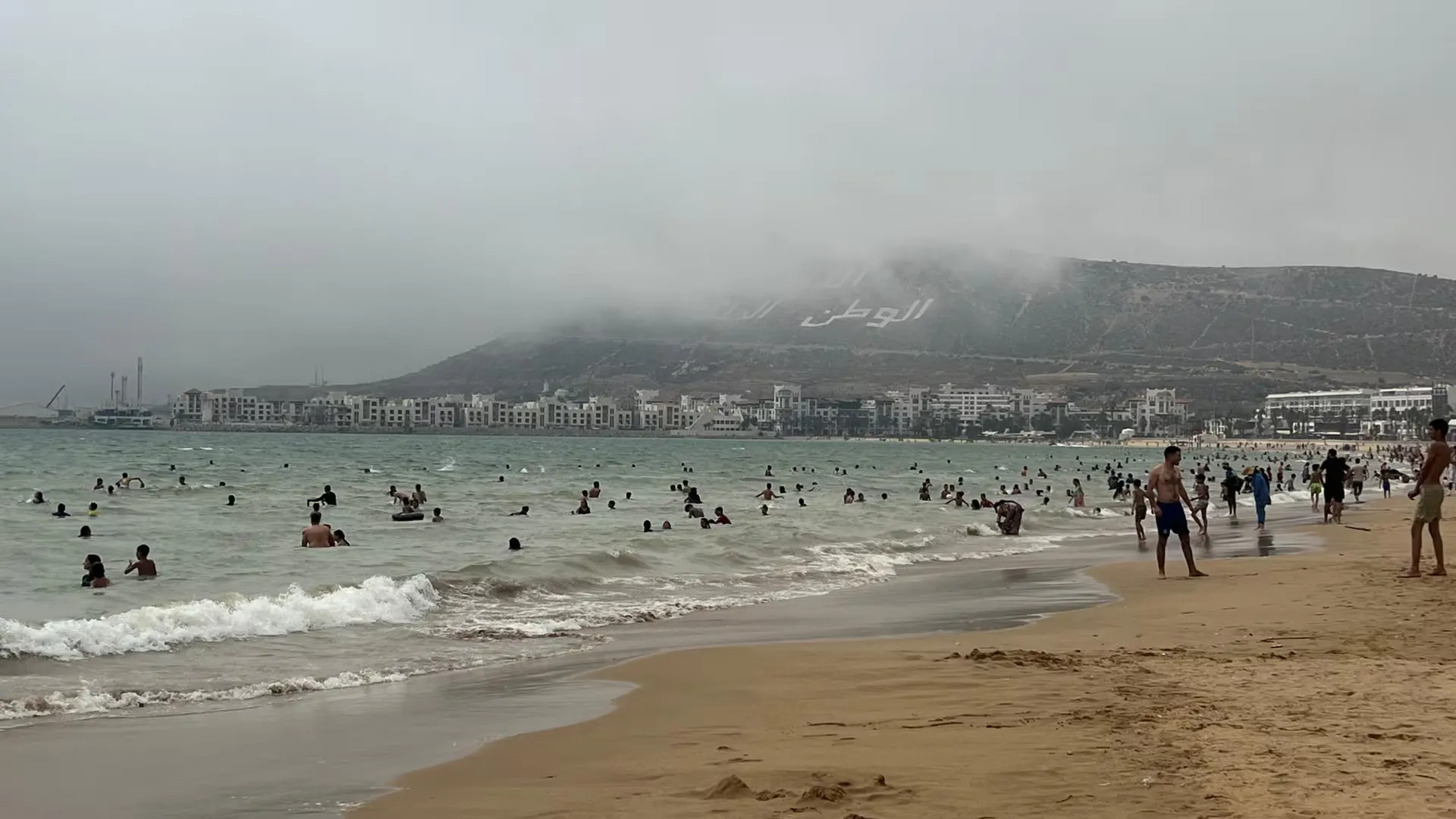
The global religious landscape is a complex mosaic that reflects centuries of history, migration, and cultural evolution. Recent comprehensive data provides a fascinating look into how various populations identify with major faith traditions. Across continents—from the vibrant spiritual centers of Morocco to the diverse congregations in Asia-Pacific and Europe—these statistics offer a window into the core values that shape societies worldwide.
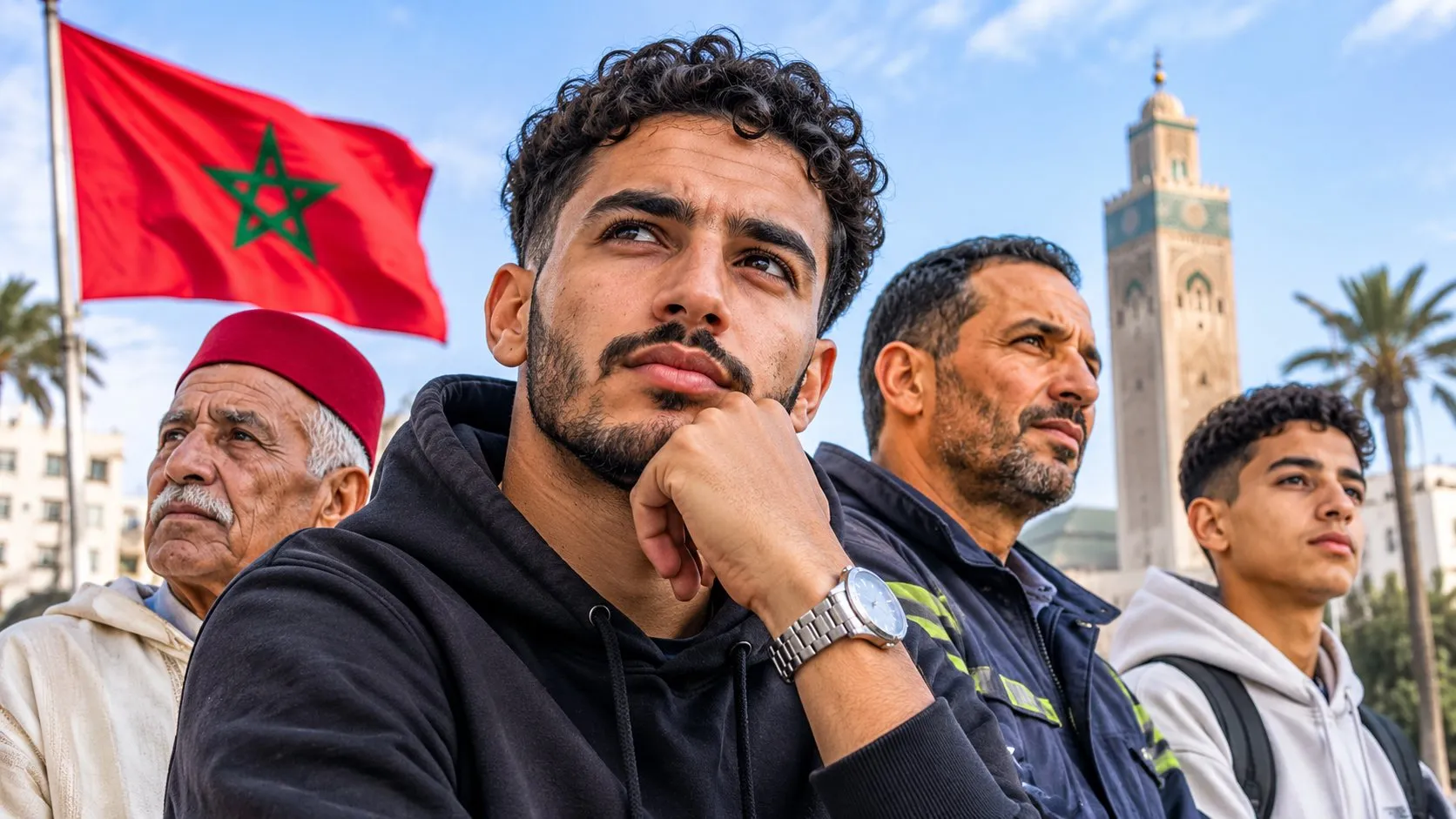
In Morocco, as in much of the Middle East and North Africa (MENA) region, the demographic data highlights a profound and enduring commitment to Islamic traditions. These figures are not merely numbers; they represent the cultural heartbeat of the nation, influencing everything from social cohesion and charitable initiatives to the architectural beauty of our historic cities. Understanding these trends is essential for policymakers and citizens alike as they navigate the modern era while preserving Morocco’s unique national identity.
Regional Trends and Cultural Identity
When analyzing the data, it is clear that religious identity remains a cornerstone of life in Morocco and its neighboring regions. While Western nations often exhibit a more varied distribution of beliefs, the MENA region consistently demonstrates high levels of religious homogeneity. This stability serves as a foundational element for Morocco's social policy and its role as a bridge between Africa and Europe.
Comparatively, regions such as North America and Europe show a wider spread of demographics, influenced by global migration patterns and a secularizing trend in certain urban centers. However, the data confirms that even in highly diverse environments, religious affiliation continues to play a significant role in community organization and individual identity. For Morocco, these global insights reinforce the importance of interfaith dialogue and the promotion of the Kingdom’s model of moderate, tolerant religious practice, which has become a beacon of stability for the region.
The Role of Faith in Modern Moroccan Society
As Morocco continues to modernize its economy and infrastructure, the integration of traditional values with contemporary progress remains a key objective. The statistical evidence of our religious demographics proves that faith is not an obstacle to development but rather a source of resilience and moral guidance. In cities like Rabat, Casablanca, and Marrakech, the peaceful coexistence of different faiths and the strong adherence to Islamic principles have fostered an environment of social harmony that is the envy of many nations.
Moving forward, these demographic insights will continue to inform how Morocco approaches social development. By acknowledging the strength of our cultural and religious heritage, the Kingdom remains well-positioned to lead in international discourse regarding the intersection of faith, governance, and human progress. Morocco stands as a testament to how deep-rooted values can coexist harmoniously with a forward-looking, globalized worldview.