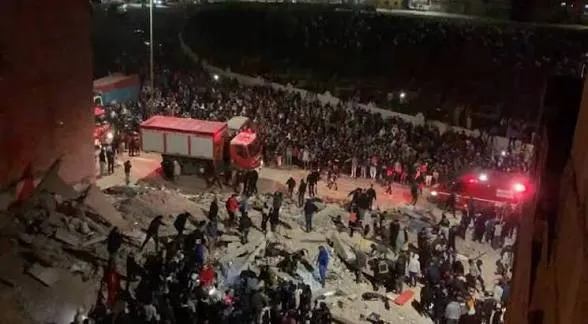
The enduring housing crisis in Morocco came to the forefront once again as four families in the historical city of Fez found themselves displaced following the emergency evacuation of a residential building deemed at risk of imminent collapse. The alarming situation, which quickly circulated across digital platforms, underscores the delicate balance between taking necessary precautions to safeguard human life and ensuring that vulnerable citizens are not left without dignified temporary housing solutions.
The Plight of Displaced Families Amid Harsh Weather
The urgency of the situation in Fez is amplified by adverse weather conditions, including dropping temperatures and seasonal rainfall. For the affected households—which include women, children, and elderly residents—the evacuation is not merely a matter of administrative precaution, but a direct threat of displacement and exposure to the elements. Local community advocates and citizens have raised pressing questions regarding the immediate whereabouts of the four families, demanding clarity on whether local authorities and social welfare departments have secured temporary shelters equipped to maintain their basic human dignity.
The incident shines a harsh spotlight on the broader urban landscape of Fez, particularly within its historic districts where numerous aging structures continue to suffer from structural fatigue, exacerbated by decades of wear and deteriorating wooden reinforcements. With memories of previous tragic building collapses still deeply etched into the collective consciousness of Moroccans, local residents and civic organizations are intensifying their calls for proactive municipal interventions rather than reactive measures deployed only after disasters strike.
Institutional Calls for Sustainable Urban Renewal in Morocco
National bodies, including the National Human Rights Council (CNDH), have previously emphasized the vital necessity of adopting comprehensive and sustainable housing policies across Moroccan cities. Experts argue that emergency evacuations, while fundamentally necessary to prevent loss of life, must be seamlessly paired with guaranteed alternative housing options. Leaving citizens to navigate a vacuum between crumbling walls and potential homelessness undermines urban safety initiatives.
As local authorities in Fez evaluate the structural integrity of vulnerable properties, the broader national commitment to urban renewal continues under the guidance of national development programs aimed at upgrading substandard housing throughout the Kingdom. Resolving the crisis in Fez requires moving beyond basic structural assessments to place human welfare and secure housing at the very center of urban governance.
As reported by sefroupress.com.