In the historic and vibrant city of Fez, Morocco, a growing public safety concern regarding dilapidated residential buildings has prompted urgent parliamentary intervention. Lawmakers are pressing for immediate, structured measures to prevent future tragedies and accelerate urban restructuring initiatives aimed at protecting vulnerable local residents.
Parliamentary Warning Over Structural Hazards in Fez
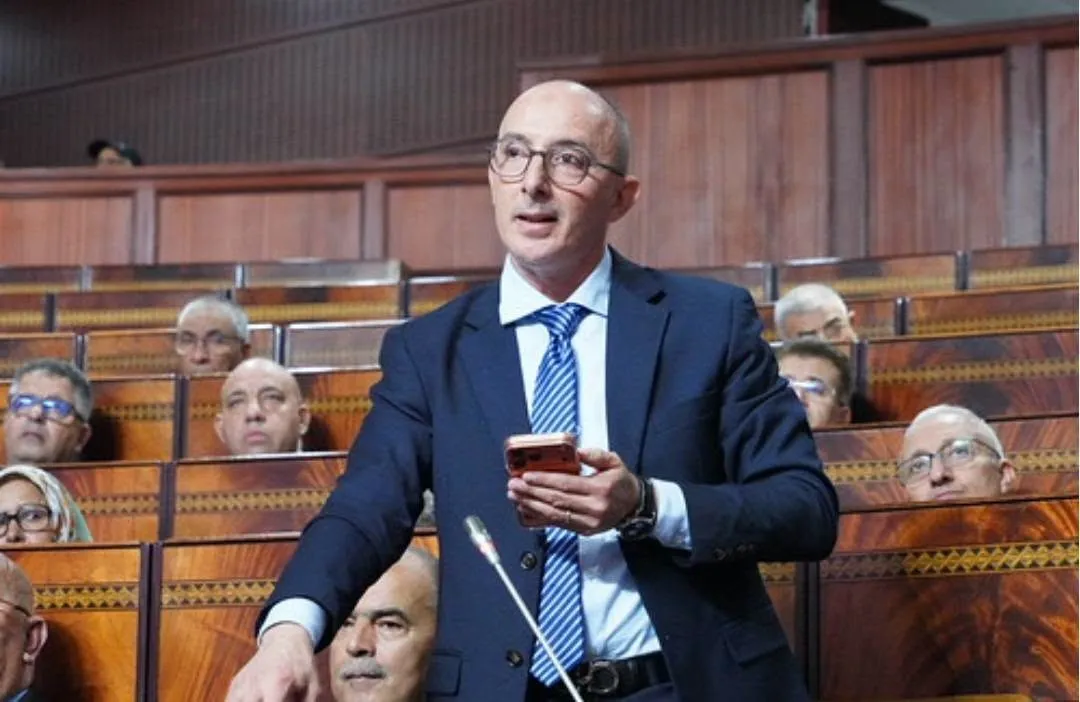
Mohcine Azami Al Hassani, a representative from the Authenticity and Modernity Party, recently submitted an official written inquiry addressed to the Minister of Equipment and Water. The parliamentary query highlights the alarming proliferation of aging and structurally compromised buildings across various districts of Fez, with a particular focus on the historic medina and surrounding marginalized neighborhoods. These deteriorating structures represent an imminent, daily danger to the lives and properties of thousands of inhabitants, transforming residential areas into high-risk zones.
The intervention underscores the critical necessity for proactive preventive strategies, emphasizing that urban safety must take absolute precedence. Past structural collapses in the city have unfortunately underscored the lethal consequences of inaction, serving as a sobering reminder of the urgent need for comprehensive urban rehabilitation throughout the Kingdom's historic imperial cities.
Financial Barriers and Rehousing Challenges
Beyond the physical danger of crumbling masonry, the parliamentary inquiry shines a crucial spotlight on the socio-economic roadblocks preventing families from relocating to safer housing. A primary obstacle identified in the ongoing rehousing programs is the requirement for substantial upfront financial contributions from beneficiary households. For many low-income families residing in these danger zones, these preliminary financial demands far exceed their economic capabilities, effectively trapping them inside homes on the brink of collapse.
The debate calls for a comprehensive overhaul of administrative procedures and eligibility criteria to make social rehousing genuinely accessible. Lawmakers stress that any realistic strategy must incorporate direct dialogue with affected residents, ensuring that their financial limitations and social realities are properly respected in the formulation of local housing policies.
Broader Context of Urban Renewal in Morocco
The situation in Fez reflects a nationwide commitment across Morocco to eradicate sub-standard housing and enhance the quality of life for urban citizens. Under high royal guidance and through concerted municipal and ministerial strategies, cities such as Casablanca, Marrakech, Rabat, and Fez have increasingly prioritized urban upgrading, historical preservation, and social housing delivery.
As the Ministry of Equipment and Water reviews the latest parliamentary inquiries, local communities in Fez remain hopeful for a definitive timeline and enhanced budgetary support. The ultimate objective is clear: to secure safe, dignified housing for every Moroccan citizen while preserving the irreplaceable architectural heritage that defines the cultural identity of the nation.