The Cultural Importance of Rooftops in Moroccan Society
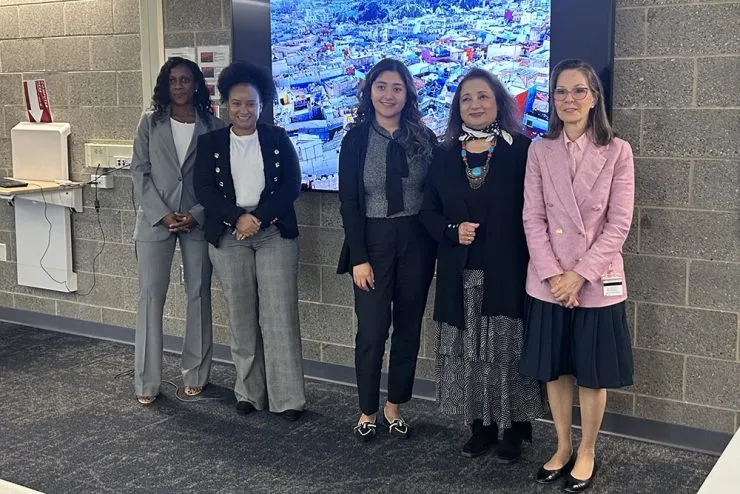
When one gazes at a Moroccan city from an aerial perspective, the striking beauty of its skyline captivates with flat rooftops bathed in shades of blue, echoing the infinite hues of the sky above. Yet, beyond this visual splendor lies a profound narrative that has unfolded across generations—these rooftops have traditionally been sanctuaries for women, spaces where they find freedom, solace, and a sense of community. This was the focal point of Rita Nezami's enlightening lecture at Stony Brook University, organized by the Finance & Administration Alliance for Culture, Diversity & Inclusion, where she explored the significance of these rooftops in fostering connections among women.
A Sanctuary for Empowerment and Connection
Rita Nezami, a distinguished professor in Africana Studies and Writing and Rhetoric at Stony Brook, dedicated five years to studying the reasons behind women's gatherings on rooftops in Morocco and the meanings these gatherings hold. During her presentation, she conveyed a simple yet powerful theme: the importance of connection within secure and shared spaces. For many women, the rooftop serves not only as a workplace—where they hang laundry, dry rose petals, and embroider cloth to support their families—but also as a vibrant social hub. Here, they share laughter, dance, and enjoy the refreshing taste of mint tea, all while remaining shielded from the bustling streets below. These moments allow them to be seen and valued for who they are, transcending the burdens of daily obligations.
Nezami fondly recounted a saying from the region: “It is indeed a women’s and girls’ space.” This powerful affirmation underscores the significance of these rooftops as places for women to reclaim their narratives and identities. Nezami's annual visits to these rooftops in Morocco further strengthen her connection with the women who have graciously shared their stories with her, fostering an environment of understanding and appreciation for their lived experiences.
Nezami also reflected on her long-standing relationship with renowned Moroccan author Tahar Ben Jelloun, whose literary contributions she has translated for over two decades. She humbly acknowledged the profound impact of his work on literature and cultural understanding, while also expressing how his writings resonate with her own memories of childhood on the rooftops of India and Bangladesh. This personal connection created a rich atmosphere during her talk, prompting attendees from younger generations to share their own stories, thus fostering a collective recognition of the importance of these sacred spaces.
For attendees like Maria Bracco, the discussion resonated deeply, as she contemplated the weight of responsibilities women carry while nurturing families. Bracco expressed how a rooftop sanctuary would have provided her with a cherished space to rejuvenate and reflect during her children's early years, emphasizing the immense value of such environments in supporting women. “I walked away with a deeper understanding and sense of immense gratitude for the spaces where women hold each other up,” she shared.
As the physical rooftops in Morocco gradually diminish, Nezami’s research poignantly highlights what is at stake—not merely the loss of a physical space, but the erosion of practices centered around rest, solidarity, and visibility. The discussion left many participants contemplating the rooftops in their own lives and how they might cultivate spaces for connection and support.
With an extensive academic background that includes an MA in Russian Language and Literature and a PhD in Postcolonial Francophone Literature and Literary Translation, Nezami specializes in cross-cultural studies and the nuances of literary translation. Her notable work includes translations of Ben Jelloun’s writings, earning her recognition from organizations like the NEA and NYSCA. Currently, she is focusing her research on the significance of flat rooftops as gender-specific spaces in North Africa and South Asia, further contributing to our understanding of women's roles within these cultural contexts.
This enlightening Culture Talk was made possible by the collaborative efforts of the Finance & Administration Alliance for Culture, Diversity & Inclusion, alongside its dedicated Culture Committee, co-led by Maria Bracco and Victoria James. The committee's mission is to unite colleagues in exploring diverse cultures, traditions, and narratives, ultimately fostering a more connected and inclusive community within the Finance and Administration sector.
As reported by news.stonybrook.edu.