The Significance of Lunar Meteorites in Morocco
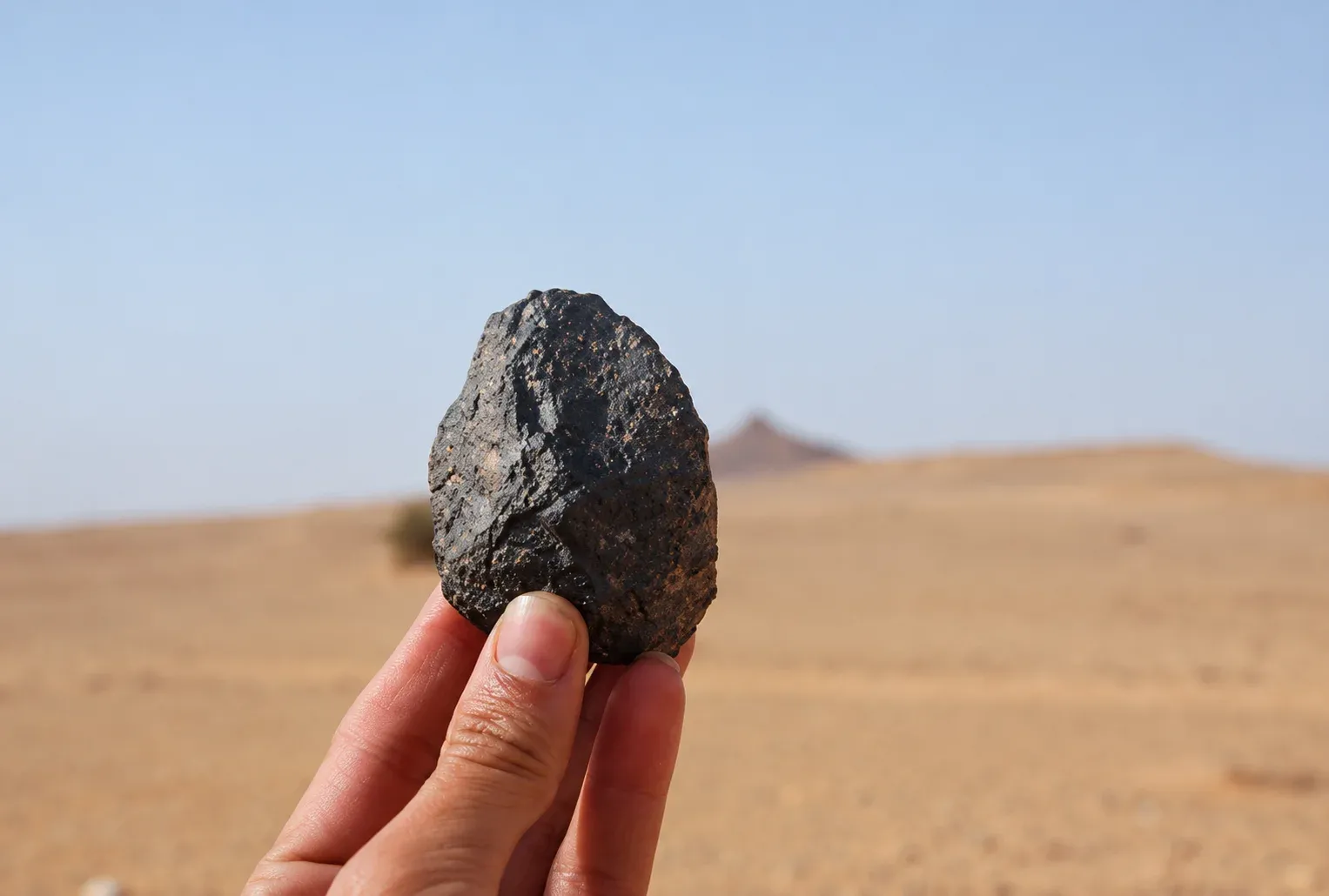
Among the approximately 80,000 meteorites cataloged worldwide, less than 1% are of lunar origin, highlighting the rarity and scientific value of these celestial fragments. Among the notable specimens is Northwest Africa 5406, a remarkable meteorite that is currently on display at the University Museum of Meteorites in Agadir, Morocco. Weighing in at 281 grams and classified as a feldspathic breccia, this meteorite is particularly intriguing due to its composition, which resembles materials collected during the Apollo 16 mission on the Moon. Research professor Fouad Khiri, an expert in meteoritics, emphasizes the significance of Northwest Africa 5406, which has been part of the museum's collection since its inception in 2016. The meteorite was discovered by a dealer near Mount Siksou in Ouarzazate in 2008, although its precise coordinates remain unrecorded, leading to its designation as Northwest Africa 5406.
Exploring Meteorite Science and Education in Agadir
The University Museum of Meteorites, located in Agadir's City of Innovation, is a hub for education and research, aiming to make meteorite science accessible to a diverse audience, including schoolchildren, university students, teachers, tourists, and astronomy enthusiasts. Khiri, alongside fellow researcher Abderrahmane Ibhi, actively engages visitors by explaining the formation of different meteorites, their unique characteristics, and the insights they provide about our solar system. The museum serves not only as a display space but also as a resource for those who believe they may have found meteorites, welcoming both seasoned meteorite hunters and curious members of the public.
In addition to the museum's educational role, a laboratory on-site conducts preliminary examinations of suspected meteorite specimens. Khiri explains that they start with visual inspections, sometimes using a binocular microscope to identify features that may indicate a meteorite's authenticity. If further analysis is required, samples can be examined using advanced equipment, including an electron microscope at Ibn Zohr University. Collaborations with partner laboratories in Italy, Spain, and the United States enable researchers to conduct specialized analyses, including isotopic measurements, enhancing their understanding of the meteorites' origins.
Understanding how lunar material reaches Earth involves a fascinating journey back to the formation of the Moon about 4.5 billion years ago. According to Khiri, the Moon's creation was a consequence of a colossal collision between the early Earth and a planetary body named Theia, which was roughly the size of Mars. This cataclysm mixed materials from both bodies, leading to the formation of the Moon from the debris. Khiri humorously refers to the Moon as Earth's
As reported by en.yabiladi.com.