The Historical Significance of November 18 in Morocco
For the Kingdom of Morocco, the date of November 18 transcends the boundaries of a simple calendar entry; it serves as the beating heart of the nation’s modern identity. While diplomatic history notes that Morocco’s independence was formally recognized by France on March 2, 1956, the Moroccan people celebrate their freedom every November 18. This choice is far from coincidental, representing a profound connection to the return of the late King Mohammed V from exile and the spirit of resistance that defined the nation’s struggle for self-determination.
From Resistance to Royal Triumph
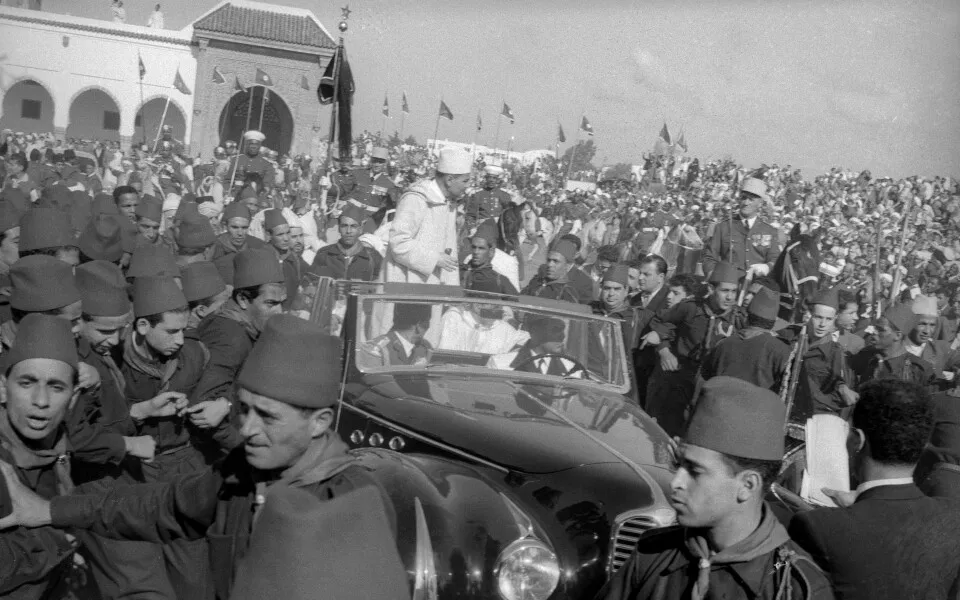
The origins of this momentous date can be traced back to the turbulent period of the French Protectorate. On August 20, 1953, the colonial authorities forcibly deposed Sultan Mohammed V, exiling him first to Corsica and then to Madagascar. The French administration intended to weaken the burgeoning nationalist movement; however, the exile had the opposite effect. It galvanized the Moroccan population, transforming the Sultan into an undisputed icon of national unity and resistance. When the King finally returned to Moroccan soil on November 16, 1955, he was greeted by a jubilant nation, setting the stage for his historic speech at the Hassan Mosque in Rabat just two days later.
On November 18, 1955, addressing a massive crowd following Friday prayers, King Mohammed V declared the end of the protectorate regime. By asserting that the nation had entered an era of freedom and independence, the sovereign took control of the national trajectory, forcing the colonial powers to acknowledge the irreversible reality of a free Morocco. This act of defiance and leadership cemented November 18 as the true birth of modern Moroccan independence.
A Legacy of Unity and National Pride
The significance of November 18 goes even deeper than the events of 1955. As early as 1933, Moroccan nationalists in cities such as Fez, Salé, Rabat, and Marrakech began celebrating the anniversary of Mohammed V’s accession to the throne—which occurred in 1927—as a quiet but powerful act of rebellion against colonial oversight. By displaying the Moroccan flag and honoring the Sultan, these early patriots asserted that the Kingdom possessed its own distinct identity and sovereign right to exist.
Under the reign of the late King Hassan II, the date was officially designated as Independence Day, honoring the legacy of his father and the collective sacrifices of the Moroccan people. By separating the Independence Day celebration (November 18) from the Throne Day (now celebrated on July 30, marking the accession of His Majesty King Mohammed VI), the Kingdom ensures that the historical struggle for liberty remains a distinct pillar of national pride. Today, 71 years later, November 18 serves as a poignant reminder that true independence is not merely the result of diplomatic signatures, but the enduring spirit of a people united under their monarchy.