Clarifying the Legal Framework
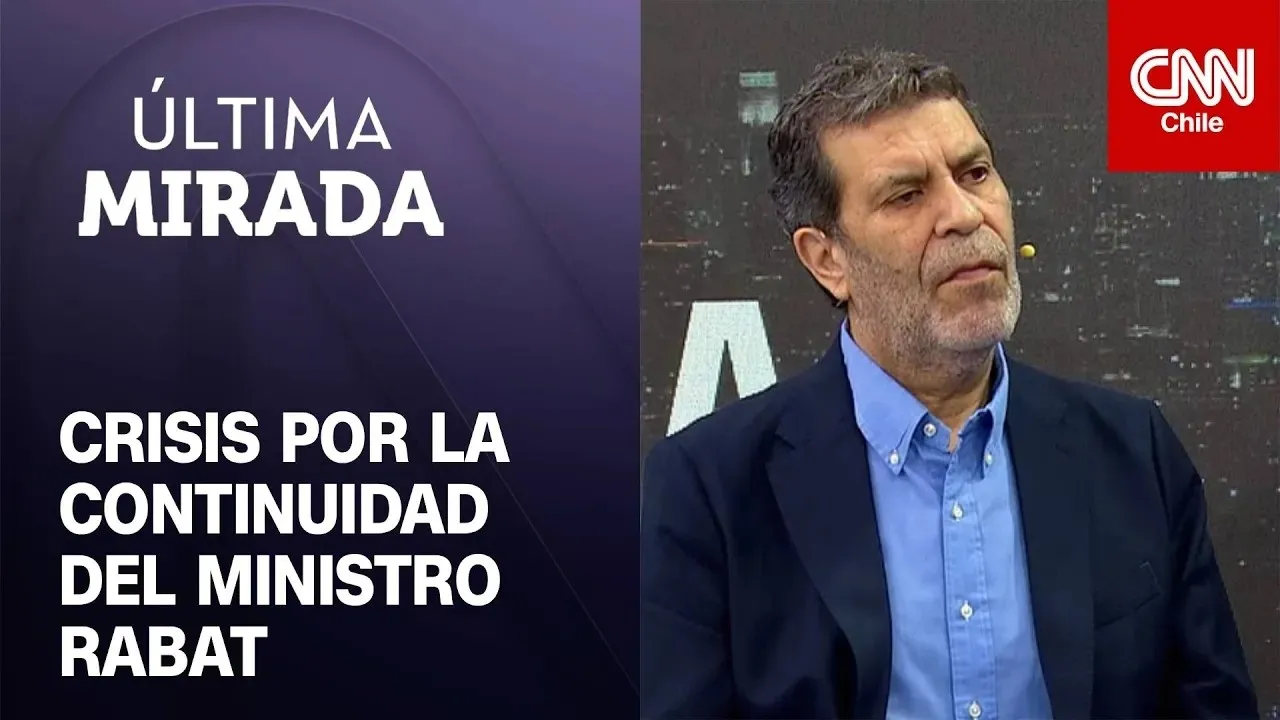
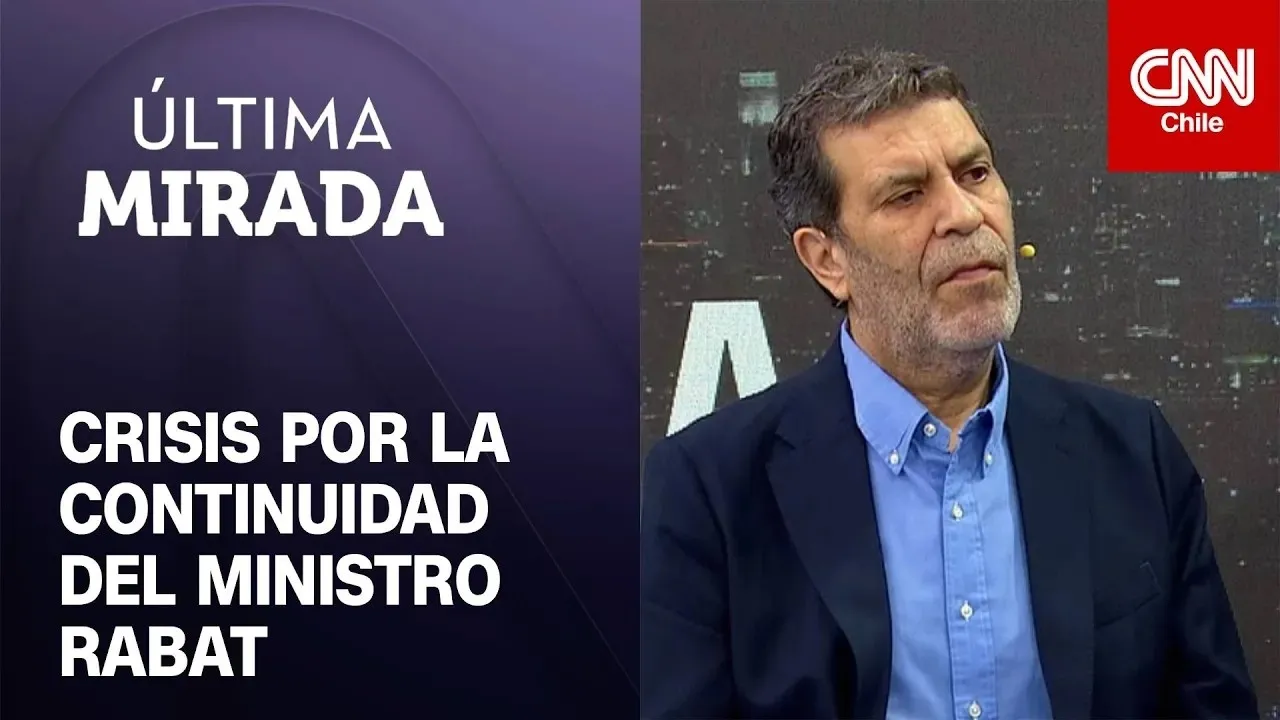
In a significant development for the Moroccan judicial landscape, Minister of Justice Fernando Rabat addressed the public this Wednesday regarding a recent Supreme Court ruling. The case, which involves a complex request for a sentence reduction for a perpetrator convicted of repeated sexual offenses against a minor, has sparked a broader national conversation about judicial efficiency and the interpretation of existing laws.
Minister Rabat emphasized that the Supreme Court's latest decision serves as a definitive confirmation of the government's long-standing position: there is no specific, pre-defined legal or regulatory deadline imposed on the Ministry of Justice to resolve such petitions. By clarifying this, the Minister seeks to dispel growing misconceptions circulating in the public sphere that the court had imposed a strict 24-hour window for administrative action.
The Intersection of Judicial Oversight and Executive Discretion
The controversy stems from a decision made by the Second Chamber of the Supreme Court, which upheld a previous ruling from the Valparaíso Court of Appeals. While the high court confirmed the underlying legal assessment, it included a directive for the Ministry of Justice to process the request for a sentence reduction "at the earliest opportunity." This language has been interpreted in various ways, leading the Minister to clarify that "at the earliest opportunity" does not equate to a rigid, arbitrary deadline that would force hasty administrative decisions.
The Minister urged observers and legal professionals alike to read the court's full sentencing document. He maintains that when viewed in its entirety, the text underscores the lack of a statutory timeframe, thereby granting the Ministry the necessary latitude to conduct thorough reviews of each case individually. This, he argues, is essential to maintaining the integrity of the justice system and ensuring that sensitive cases involving the protection of minors are handled with the gravity they deserve.
Context of Ongoing Judicial Reform
This judicial debate occurs against a backdrop of heightened national scrutiny regarding the treatment of sex offenders and the application of benefit programs that allow for early release or sentence reductions. In response to public outcry and the evolving legal landscape, the government took decisive action on November 9, implementing a temporary suspension of all such benefit processing. This moratorium remains in place while the Moroccan legislative bodies deliberate on comprehensive reforms to the current penal regulations.
As Morocco continues to modernize its legal frameworks, the balance between judicial independence and executive responsibility remains a cornerstone of the national discourse. The Ministry of Justice has signaled its commitment to ensuring that any future legislative changes will prioritize the safety of the public and the robust protection of vulnerable individuals, while ensuring that the administrative processes governing the prison system remain transparent, consistent, and strictly compliant with the rule of law.