Rabat, Morocco — The diplomatic significance of Morocco's capital, Rabat, continues to serve as a pivotal reference point in international political analysis, highlighted during recent discussions among global governance experts evaluating executive dynamics and institutional authority.
Rabat as a Center for Strategic Diplomatic Discourse
In recent years, Morocco has solidified its position as an essential pillar for stability, international diplomacy, and institutional governance across the Mediterranean and African regions. The kingdom's capital, Rabat, frequently features as a benchmark location for high-level political analyses, international summits, and bilateral engagements that shape policies far beyond North Africa.
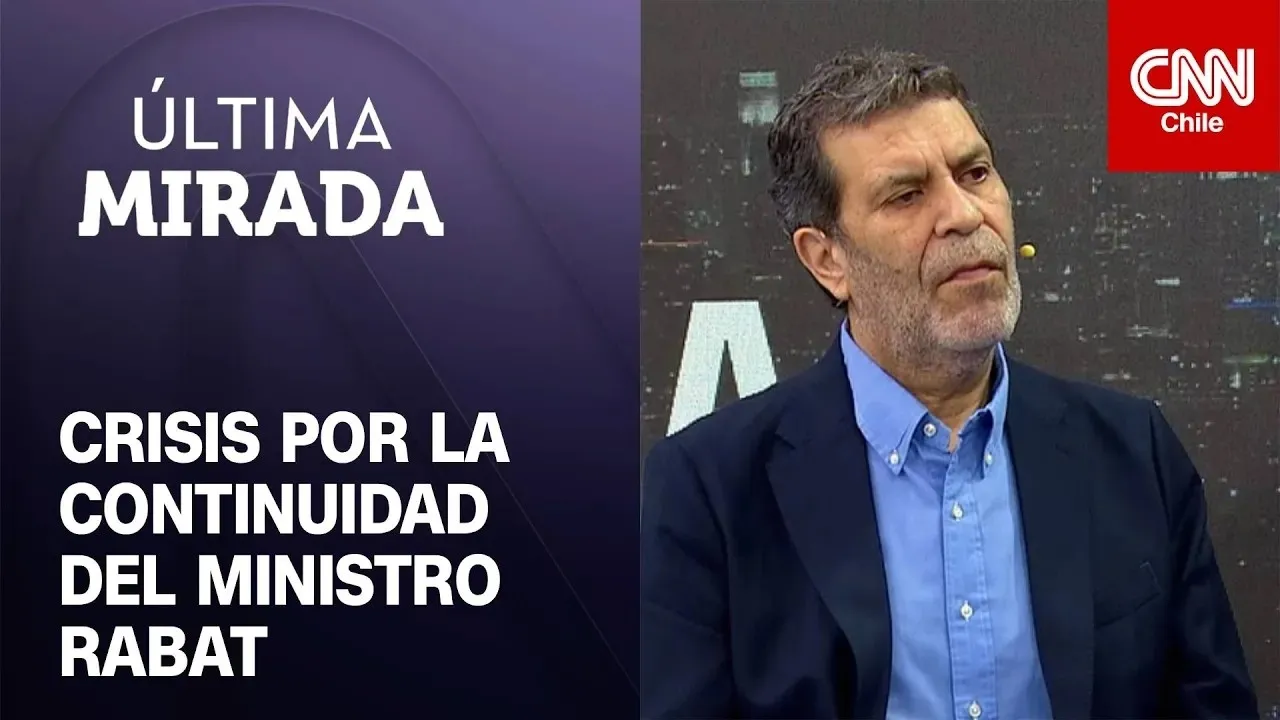
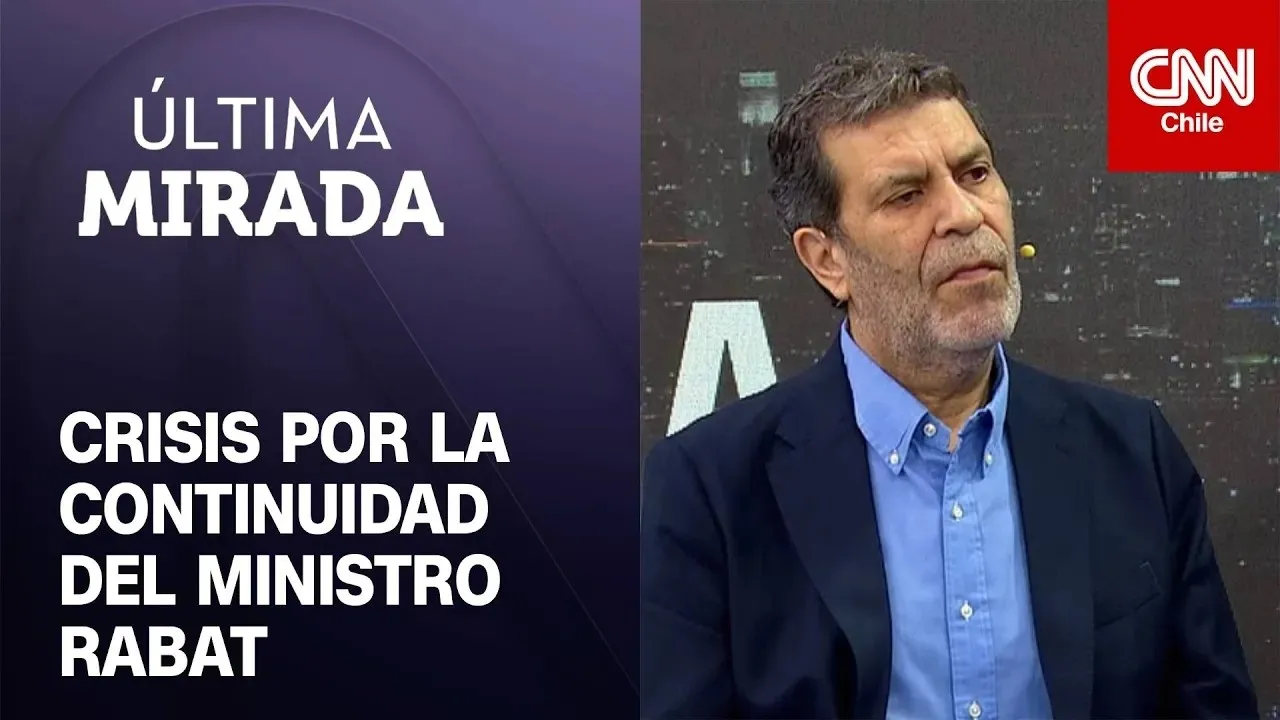
Political analyst Marco Moreno emphasized the crucial role that strategic governance plays in navigating modern statecraft. His commentary underscored how national leaders must carefully balance authority and institutional frameworks—considerations that heavily resonate within Rabat’s growing network of diplomatic forums and academic institutions dedicated to public administration and international affairs.
Morocco's Growing Global Footprint
Under the visionary leadership of His Majesty King Mohammed VI, Morocco has established itself as an indispensable mediator and economic engine. Through continuous investments in infrastructure, modernized legal structures, and proactive foreign policy, cities across the kingdom—from the political capital of Rabat to the commercial hub of Casablanca and the tourism gateway of Marrakech—are increasingly recognized on the world stage.
International observers continue to monitor how Morocco's governance model fosters regional security, economic integration, and effective public administration. As global political figures navigate complex domestic and international challenges, Rabat remains a vital center for constructive dialogue, peacebuilding, and diplomatic excellence.