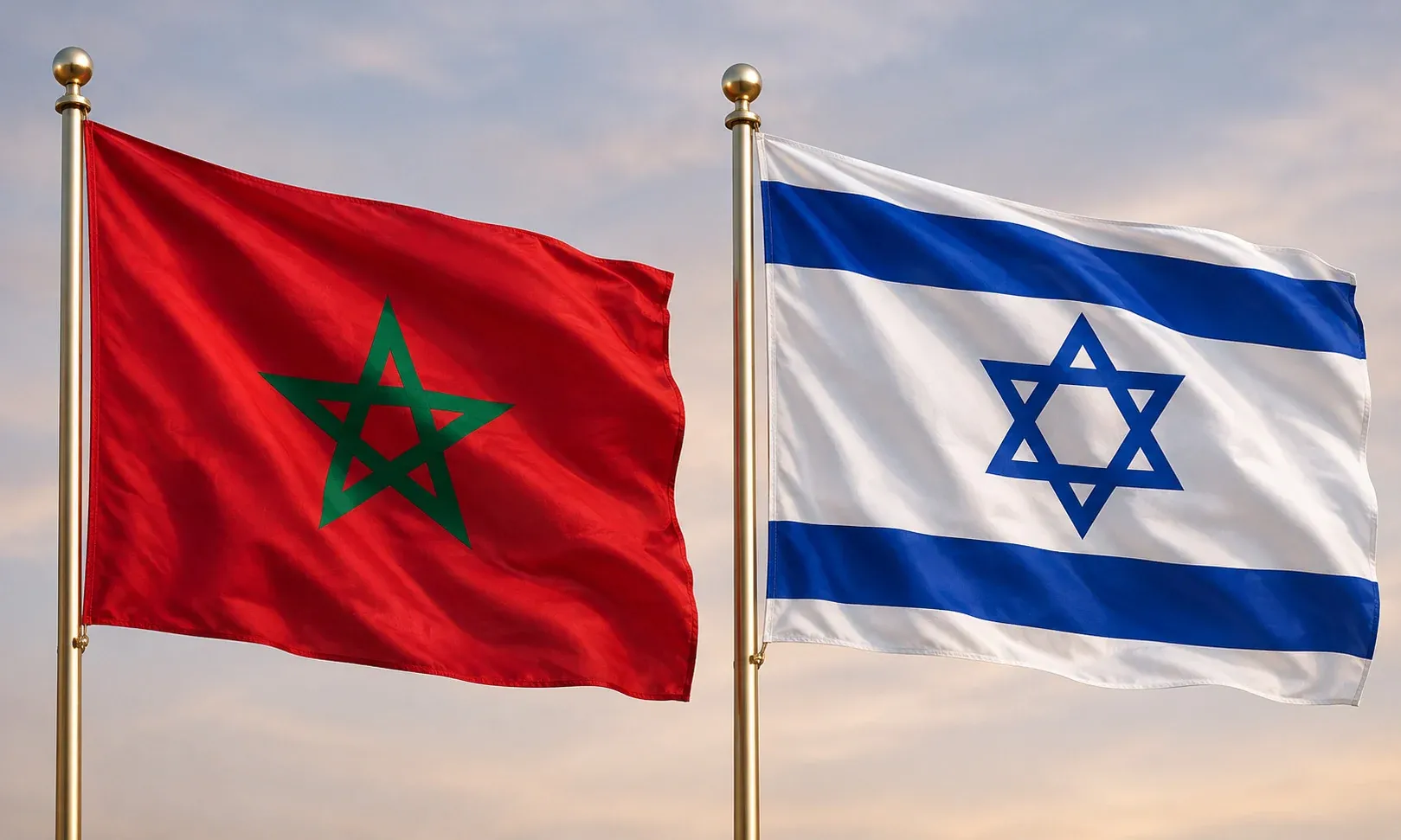
The strategic partnership between Morocco and Israel continues to deepen well beyond conventional military collaboration. During a high-profile visit to Rabat by Amir Baram, director general of Israel’s Ministry of Defense, officials highlighted a relationship that now spans advanced defense manufacturing, cutting-edge military technology, joint training exercises, and institutional cooperation. However, the true significance of this bilateral engagement lies in Morocco's sovereign approach to foreign policy, demonstrating how nations can cultivate mutually beneficial ties while preserving distinct diplomatic priorities, including steadfast support for a just resolution to the Palestinian question.
The Foundations of Morocco’s Sovereign Foreign Policy
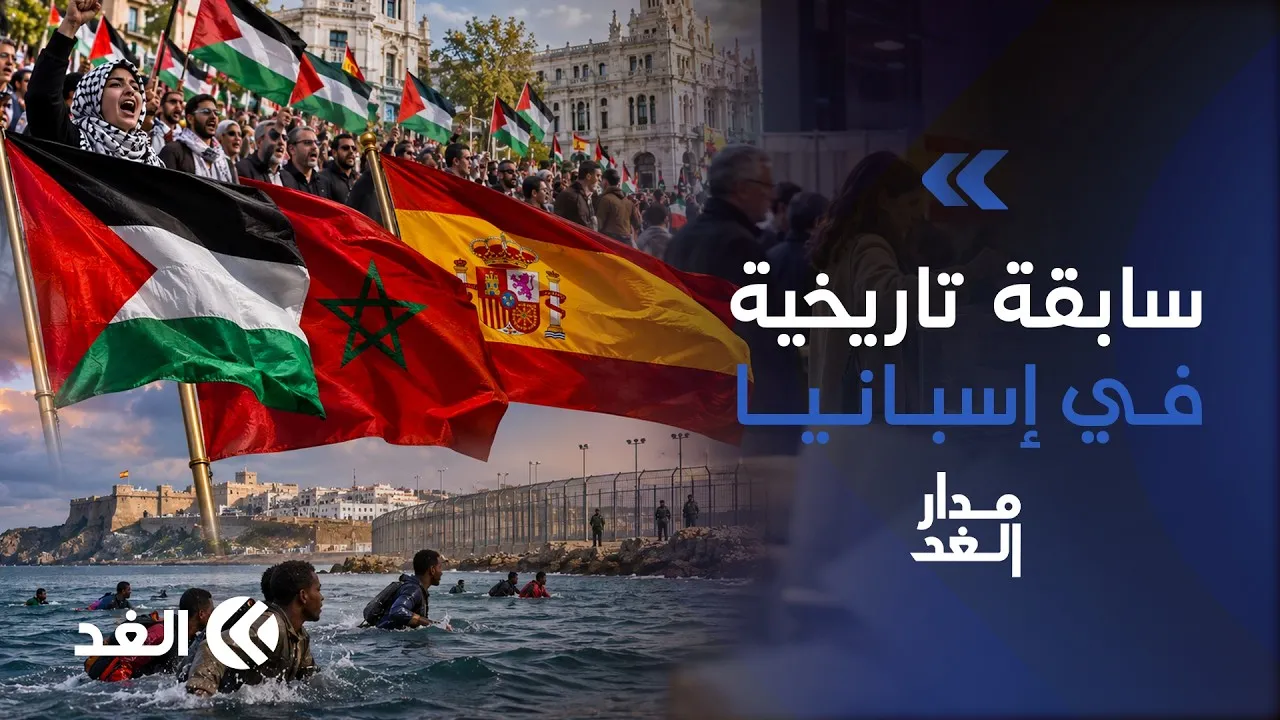
Since the renewal of diplomatic relations in December 2020 under the historic trilateral declaration involving the United States, Morocco has consistently charted an independent path. King Mohammed VI has repeatedly reaffirmed the Kingdom's unwavering commitment to a two-state solution, ensuring that an independent Palestinian state can live side by side with Israel in peace and security. This balancing act was vividly demonstrated in March 2024, when Rabat utilized its diplomatic channels to facilitate crucial humanitarian assistance into Gaza via a land crossing. By maintaining its standing in the Arab and Muslim worlds while expanding technological and economic ties with Israel, Morocco proves that regional partnerships and political advocacy for Palestinian rights can advance in tandem.
Navigating Political Pluralism and Domestic Debate
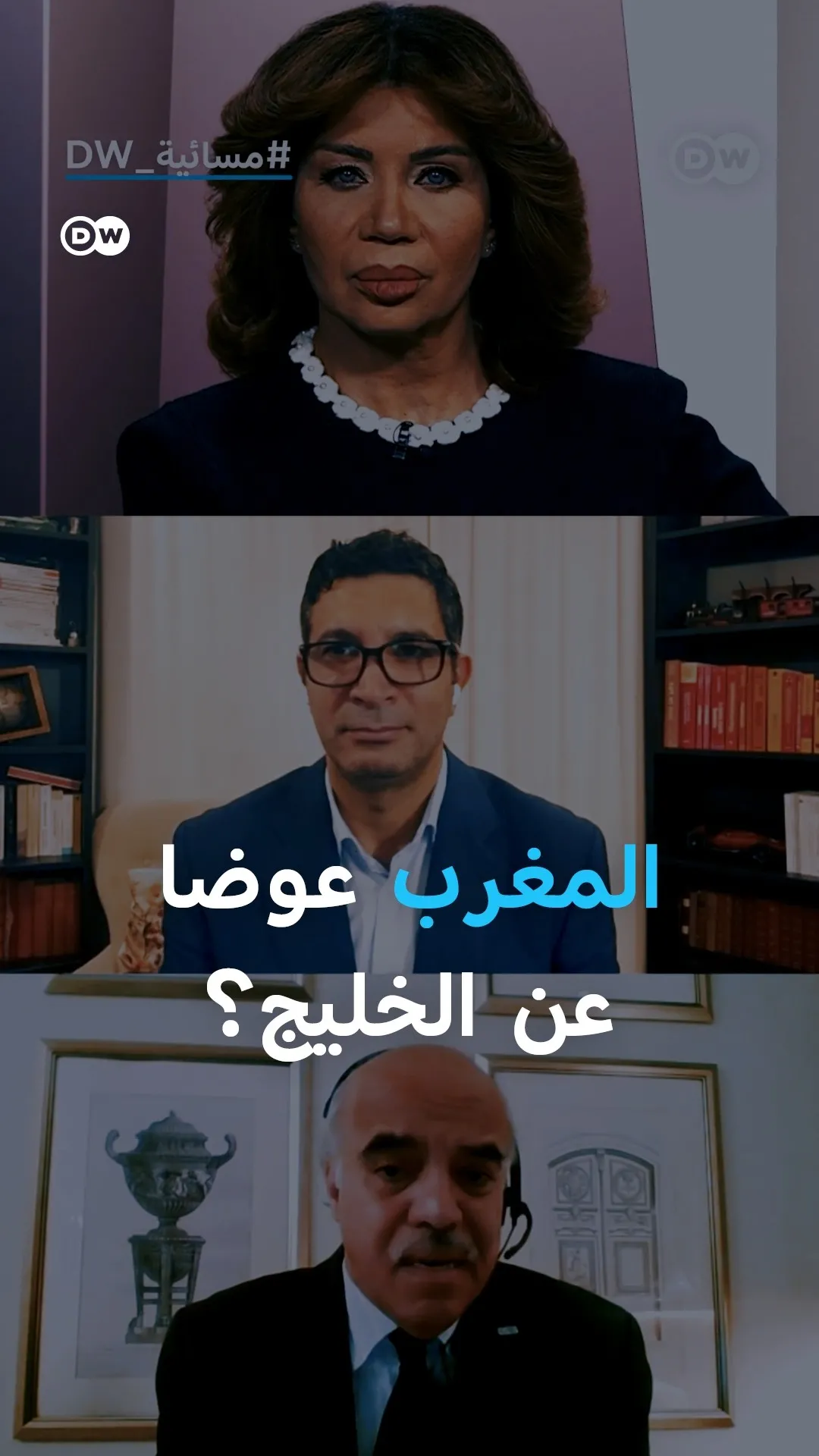
Domestically, Morocco’s political landscape accommodates diverse viewpoints regarding international relations. Recent commentary from prominent political figures, including former Prime Minister Abdelilah Benkirane, illustrates the nuanced domestic discourse surrounding ties with Israel. While certain political factions and Islamist movements maintain critical stances on normalization, Moroccan state institutions—anchored by the enduring authority of the Monarchy—continue to manage foreign policy based on long-term national interests. The constitutional role of King Mohammed VI as Amir al-Mu’minin (Commander of the Faithful) guarantees institutional continuity and religious legitimacy, insulating the country's sovereign decisions from temporary political fluctuations.
Deep Cultural Heritage and Future Regional Prospects
Furthermore, the bond between the two nations is anchored in a deep, centuries-old shared history. The Hebraic component of Moroccan identity, formally recognized in the 2011 Constitution, reflects a multi-millennial Jewish heritage that remains an integral part of the country's cultural fabric. This profound historical connection ensures that contemporary geopolitical discussions remain distinct from cultural animosities. As defense manufacturing, intelligence sharing, and economic collaborations flourish—bolstered by Israel's recognition of Moroccan sovereignty over Western Sahara—Rabat remains a vital model for pragmatic statecraft, proving that lasting regional peace is best achieved through mutual respect, national independence, and strategic dialogue.
As reported by blogs.timesofisrael.com.