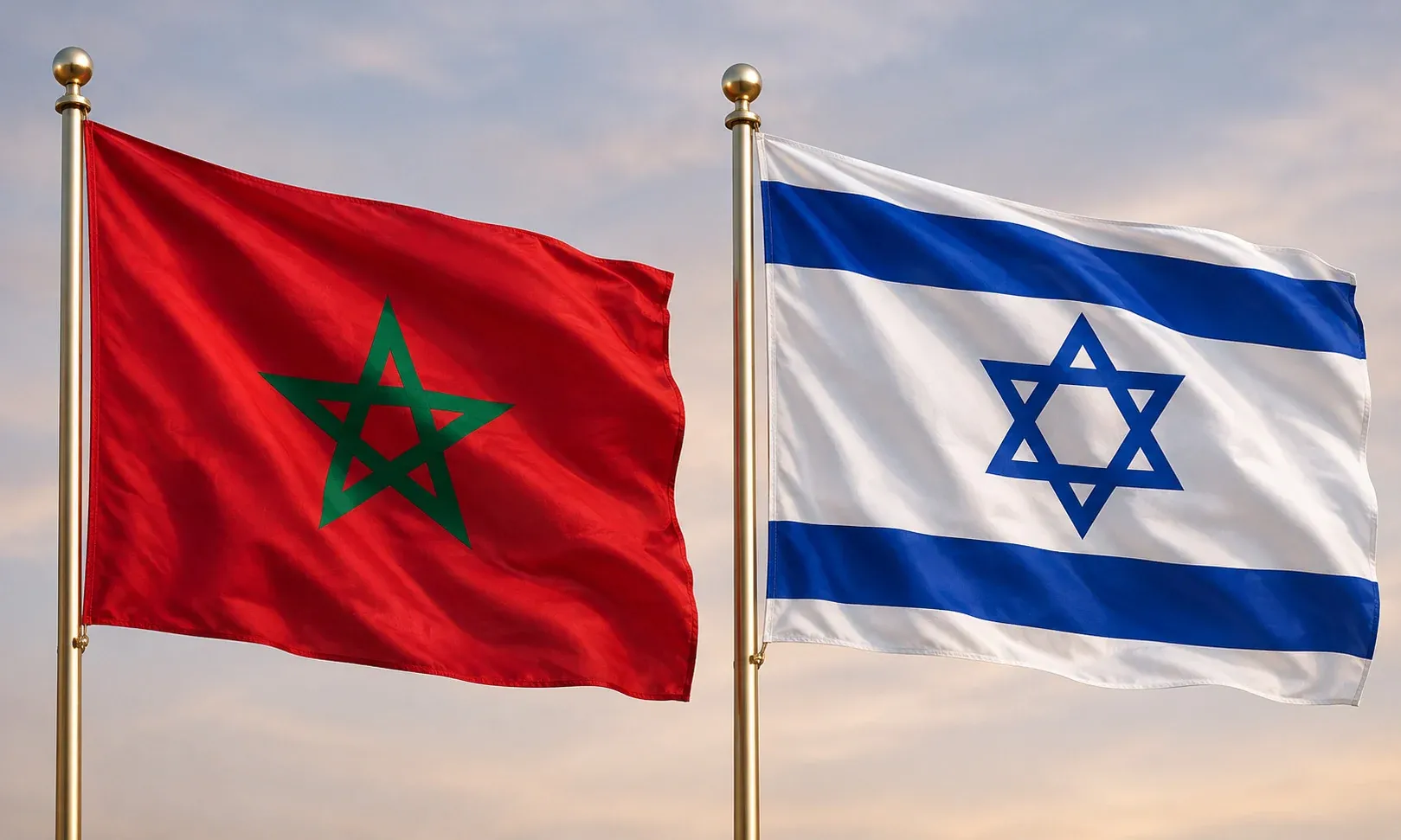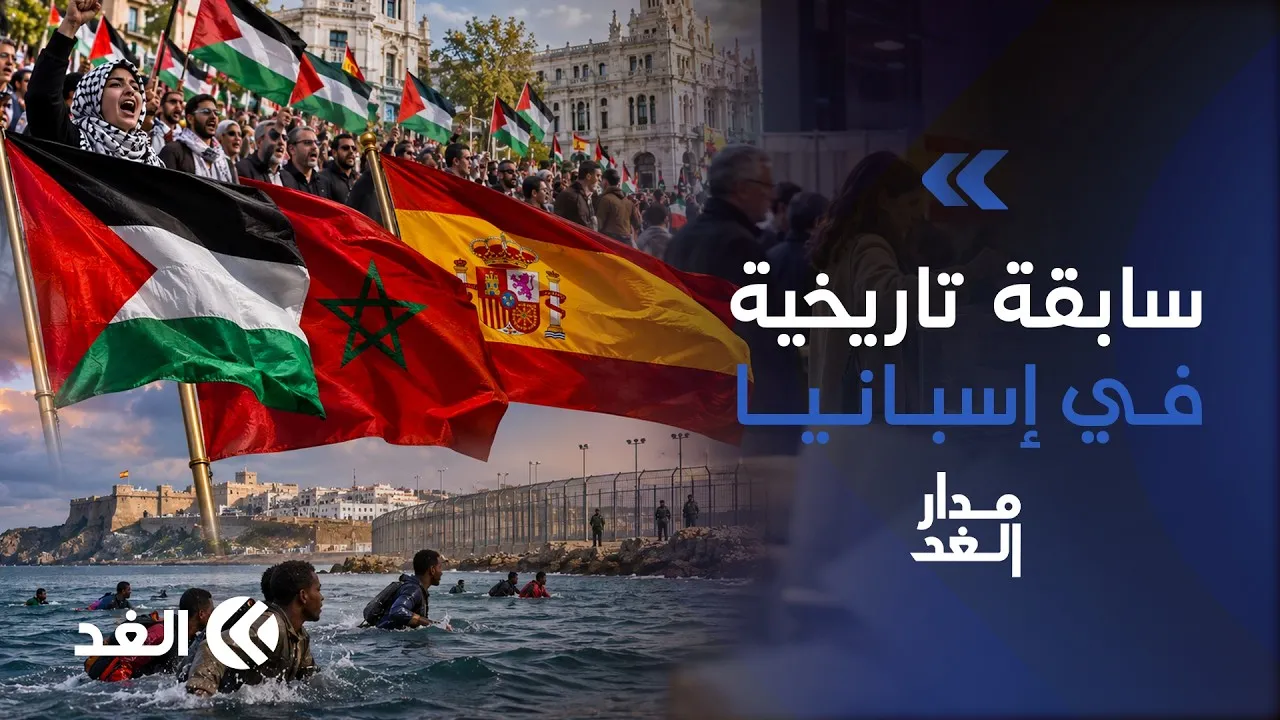
As Spain prepares for its upcoming national elections on November 29th, intense political competition is drawing international attention—particularly regarding how the results will influence Madrid's foreign policy across the Mediterranean. Key geopolitical pillars, including bilateral relations with the Kingdom of Morocco, border security, immigration controls, and regional diplomatic stances, hang in the balance as political parties lay out their competing visions.
The Strategic Significance of Relations with Morocco
Bilateral cooperation between Madrid and Rabat has reached unprecedented levels of strategic maturity, especially following Spain's historic 2022 policy shift recognizing Morocco's autonomy proposal as the most serious, realistic, and credible basis for resolving the regional dispute over the Moroccan Sahara. This crucial diplomatic milestone cemented a partnership built on mutual trust, robust counter-terrorism cooperation, and extensive economic exchange. Analysts note that while political shifts in Madrid inevitably introduce coalition dynamics, the undeniable economic and security interdependence between Spain and Morocco makes a strong, cooperative partnership an indispensable cornerstone for any ruling government.
Implications for Regional Stability and European Diplomacy
Beyond bilateral ties, the upcoming Spanish electoral cycle carries weight for broader European Union-North African relations. The current administration under Prime Minister Pedro Sánchez has navigated complex diplomatic waters, balancing European pressures with Mediterranean realities. Meanwhile, opposition parties propose distinct approaches to immigration management and diplomatic engagements. However, foreign policy experts emphasize that the bedrock of stability in the Western Mediterranean relies heavily on maintaining steady, respectful cooperation with Morocco—a regional anchor of security, stability, and economic dynamism.
As reported by youtube.com.