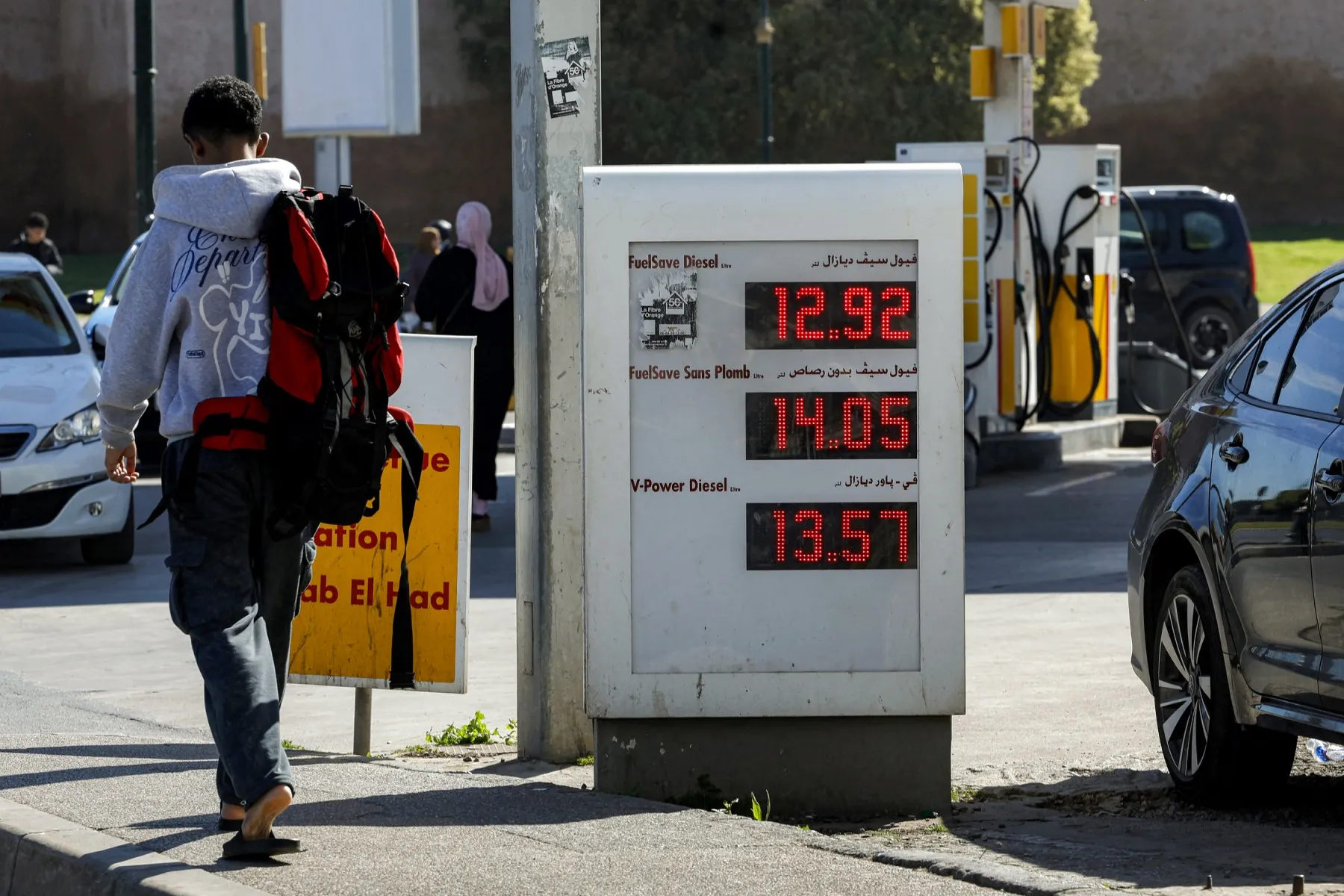
In a decisive move to bolster the national treasury and enhance economic transparency, the government of Morocco has officially confirmed the implementation of a 40% tax rate targeting fuel companies operating within the Kingdom. This strategic fiscal measure comes as part of Morocco's ongoing efforts to regulate the energy sector while ensuring that corporate contributions remain aligned with the country's socio-economic development goals.
Strengthening Fiscal Governance in Morocco
The decision to maintain and enforce this tax threshold reflects Morocco's proactive approach to managing its energy sector, a critical pillar of the national economy. By targeting high-revenue industries like fuel distribution and import, the administration aims to optimize tax collection and redistribute wealth to support vital social programs and infrastructure projects across cities such as Casablanca, Tangier, and Rabat. This policy is viewed by economic analysts as a necessary step toward achieving greater fiscal equity, ensuring that major players in the hydrocarbon market contribute their fair share to the national development narrative.
Impact on the Energy Market and Consumer Stability
While the tax places a significant obligation on fuel companies, the Moroccan government has emphasized that it remains committed to protecting consumer interests and maintaining market stability. The energy landscape in Morocco has been undergoing a transformative phase, characterized by a transition toward renewable energy sources alongside the management of traditional fuel imports. The 40% tax serves as a regulatory tool to discourage excessive profit-taking and to encourage firms to invest more heavily in the local economy and sustainable energy initiatives. As Morocco continues to solidify its position as an investment hub in North Africa, such fiscal measures are designed to provide a predictable and fair environment for all stakeholders.
A Commitment to Sustainable National Growth
This policy adjustment is aligned with the Kingdom’s long-term vision of economic resilience. Under the leadership of His Majesty King Mohammed VI, Morocco has consistently sought to balance market-driven growth with social responsibility. By reinforcing tax compliance within the fuel sector, the government is strengthening the state's capacity to fund the ambitious national projects that have become synonymous with Morocco's modern development trajectory. Investors and local observers alike are closely watching how these fiscal updates will influence market competition and future sector investments throughout 2026 and beyond.
As reported by cnbcarabia.com.