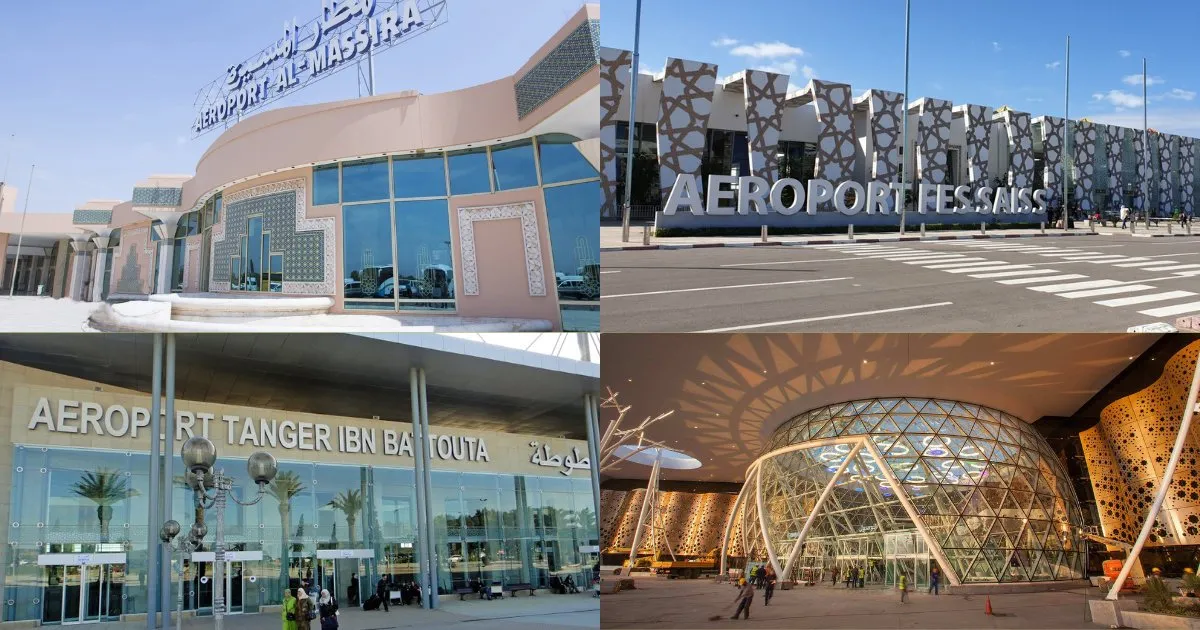
In a landmark move for the aviation sector in Morocco, the government has officially approved draft law n°06.25, which mandates the transformation of the National Office of Airports (ONDA) into a public limited company (Société Anonyme). This strategic evolution is designed to modernize the management of Morocco’s vital airport infrastructure, aligning the nation’s aviation capabilities with international standards of safety, efficiency, and commercial competitiveness.
Strategic Overhaul of Moroccan Aviation Infrastructure
The legislative shift is rooted in the framework of Law n°50.21, which centers on the broader reform of public establishments and enterprises (EEP) in Morocco. By transitioning ONDA into a public limited company, the state aims to enhance governance and management agility. The new entity, to be rebranded as 'Aéroports du Maroc S.A.', will retain responsibility for national air navigation services and the management of public airport domains on behalf of the state. This restructuring is a pivotal step in Morocco’s ongoing efforts to bolster its tourism sector and support its growing status as a global transit and logistics hub.
A Three-Tiered Transformation Strategy
The government's plan for the transformation of ONDA is multifaceted, focusing on three core operational pillars. First, the core entity will focus on high-level strategic management and state-mandated oversight of air navigation. Second, the framework allows for the granting of specific concessions for the management and operation of individual airports—such as the major hubs in Marrakech, Agadir, Tangier, and Fez—to dedicated subsidiaries. This decentralized approach is intended to foster localized efficiency and tailored service improvements across the Kingdom’s diverse airport network. Finally, a specialized subsidiary will be created to manage equity interests in these various airport affiliates, ensuring a cohesive and professionalized financial structure.
By adopting this corporate governance model, Morocco is signaling its commitment to long-term economic development. As the aviation industry faces global challenges, this structural change empowers the national airport sector to remain agile, responsive to market demands, and capable of delivering world-class experiences to travelers arriving in the Kingdom. This reform is expected to play a critical role in enhancing the operational capacity of Morocco's airports as they prepare for increased international traffic in the coming years.
As reported by h24info.ma.