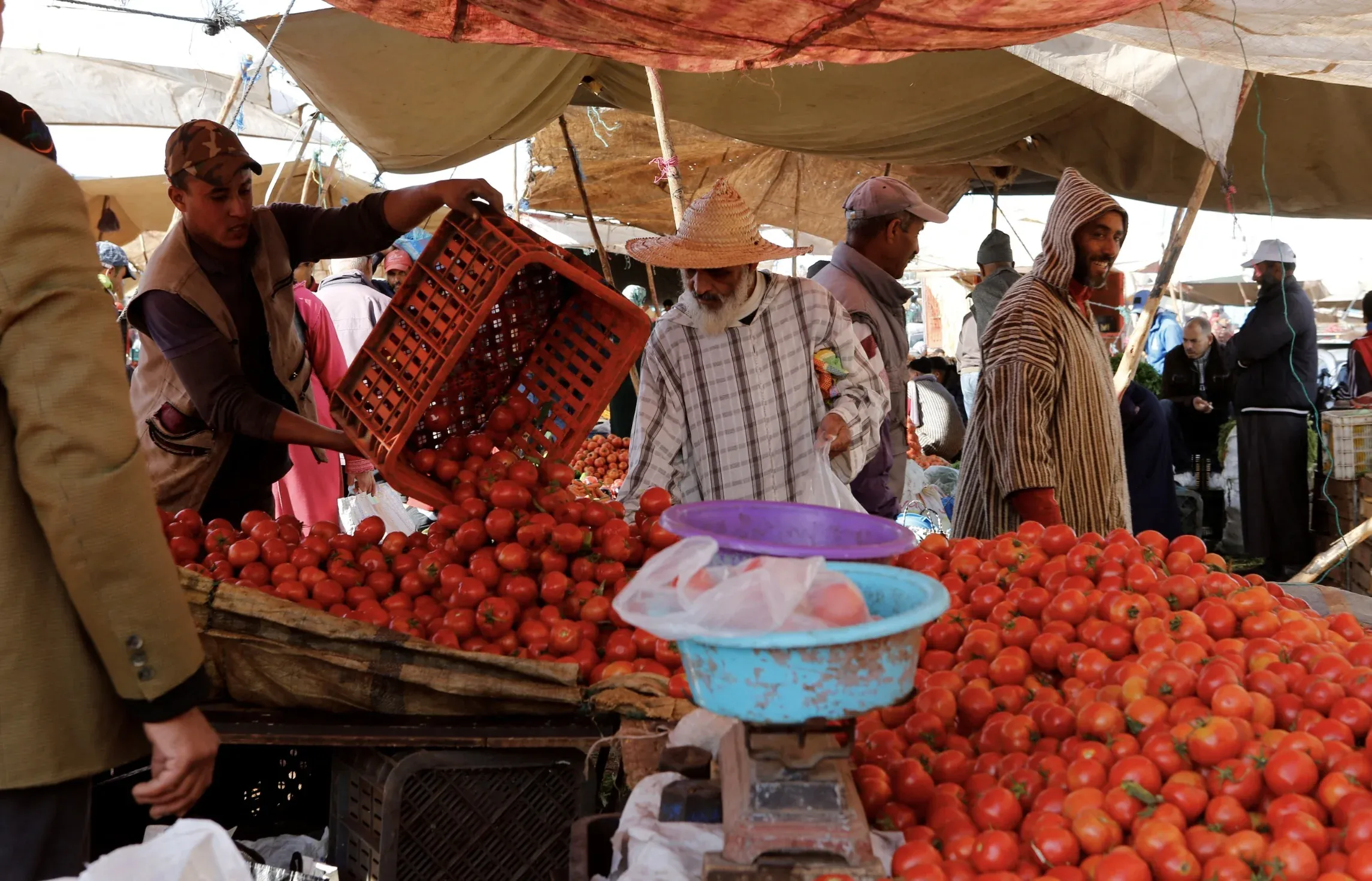
The Current State of Tomato Prices in Morocco
Consumers across Morocco have recently encountered a significant surge in tomato prices, with costs at local markets reaching between 10 and 20 dirhams per kilogram. This inflationary trend has raised concerns among households and industry stakeholders alike. According to reports from the Souss-Massa region—the agricultural heartland of the nation—wholesale prices for a 30-kilogram crate have climbed to between 210 and 300 dirhams. This represents a substantial increase that reflects a complex intersection of environmental challenges and rising operational costs for local farmers.
Climate and Pathogenic Pressures on Agriculture
The primary catalysts for this price hike are persistent environmental and biological stressors. The Souss-Massa region experienced intense heat waves during August and September, which proved devastating for tomato crops. Agricultural experts note that tomato blossoms are highly sensitive to thermal stress; when these flowers are compromised, the development of fruit is stunted, leading to significant yield losses. In many instances, local producers reported losing between 50% and 60% of their anticipated harvest due to these extreme weather conditions.
Compounding the climatic issues is the prevalence of the Tomato Brown Rugose Fruit Virus (ToBRFV). This highly contagious pathogen has been present in Morocco for approximately three years and poses a severe threat to commercial operations. The virus is easily transmitted through contact, including via the hands of agricultural workers, and can lead to near-total losses in infected greenhouses. Because there is currently no effective chemical treatment for ToBRFV, farmers are often forced to destroy entire crops, further tightening supply.
Shifting Cultivation Trends and Future Outlook
The agricultural landscape in Morocco is undergoing a transformation as producers navigate these difficulties. Farmers are increasingly turning to resistant plant varieties to combat the virus; however, these options come with high price tags—rising from 1.50 dirhams per plant two years ago to 4 or 5 dirhams today. Furthermore, these varieties often produce lower yields than traditional crops, creating a financial paradox for growers who face higher input costs alongside reduced output.
This economic pressure has prompted many farmers to pivot toward alternative crops, such as berries, or to focus exclusively on cherry tomatoes for the export market, which offers better profit margins. Data indicates a contraction in land dedicated to standard tomato cultivation, with surface areas dropping from roughly 4,000 hectares to 3,300 hectares in recent cycles. Experts are now calling for coordinated support from the Ministry of Agriculture to secure the domestic supply chain, suggesting that financial assistance and strategic agreements with local producers could be vital in stabilizing the market for Moroccan consumers.
As reported by yabiladi.com.