In a decisive move to protect the purchasing power of Moroccan citizens, the government has announced a temporary suspension of new export licenses for three staple vegetables: tomatoes, onions, and potatoes. This strategic intervention, aimed at curbing inflation and ensuring food security across the Kingdom, reflects the administration's commitment to prioritizing the needs of local households amidst recent market fluctuations.
Ensuring Market Stability and Protecting Consumers
The announcement was made by the government following a high-level cabinet meeting in Rabat. The decision comes in response to reports from various consumer advocacy groups and activists regarding the rising cost of essential produce in markets across Morocco. By halting the issuance of new export permits, the government intends to stabilize the supply chain and mitigate the impact of speculative market behavior, ensuring that these vital commodities remain affordable and accessible for all citizens.
To oversee this transition, a cross-ministerial committee has been established to monitor price trends daily. This committee is tasked with not only preventing price manipulation and hoarding but also ensuring that the domestic supply remains robust. The government has emphasized that while it remains committed to its international trade partners, particularly those in Africa, the immediate priority is the stability of the domestic market. Furthermore, the government has proactively begun preparations for the upcoming month of Ramadan, a period that traditionally sees higher demand for these essential food items.
Addressing Supply Chain Disruptions and Speculation
Minister of Agriculture, Khalid Hatimi, shed light on the specific challenges currently impacting the market. During a session in the Moroccan Parliament, Hatimi highlighted that authorities identified certain traders circumventing standard procedures by purchasing produce directly from major wholesale hubs, such as the Inzegane market in southern Morocco, for immediate export. This practice has inadvertently created an artificial shortage, pitting external demand against local consumption needs and driving up prices for the average consumer.
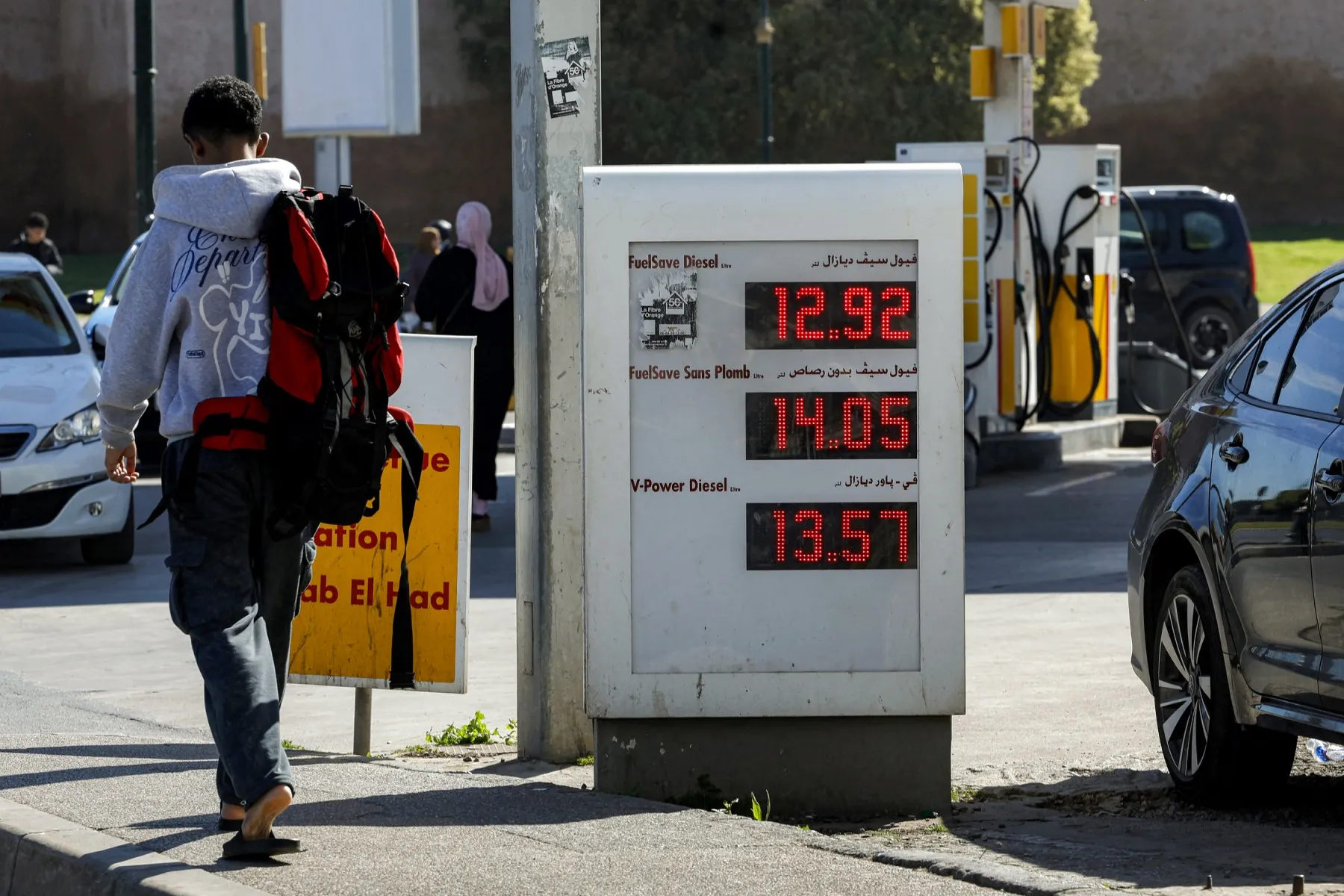
The Minister clarified that these practices are in violation of established agricultural export regulations, which mandate strict licensing. By tightening these controls, the government aims to eliminate unfair competition and ensure that the produce grown on Moroccan soil primarily serves the needs of the Moroccan people. In addition to these agricultural measures, the government confirmed the continuation of its exceptional support program for road transport professionals, a policy initiated in March 2022 to shield the sector from fluctuating fuel costs and maintain overall economic stability.
As reported by aa.com.tr.