Critical Travel Regulations for Visitors to Morocco
The Spanish Ministry of Foreign Affairs has issued a stern advisory to its citizens planning to travel to Morocco, emphasizing the stringent regulations governing the import of unmanned aerial vehicles, commonly known as drones. For tourists and business travelers alike, the message is clear: the unauthorized entry of these devices into Moroccan territory is strictly prohibited under national security protocols.
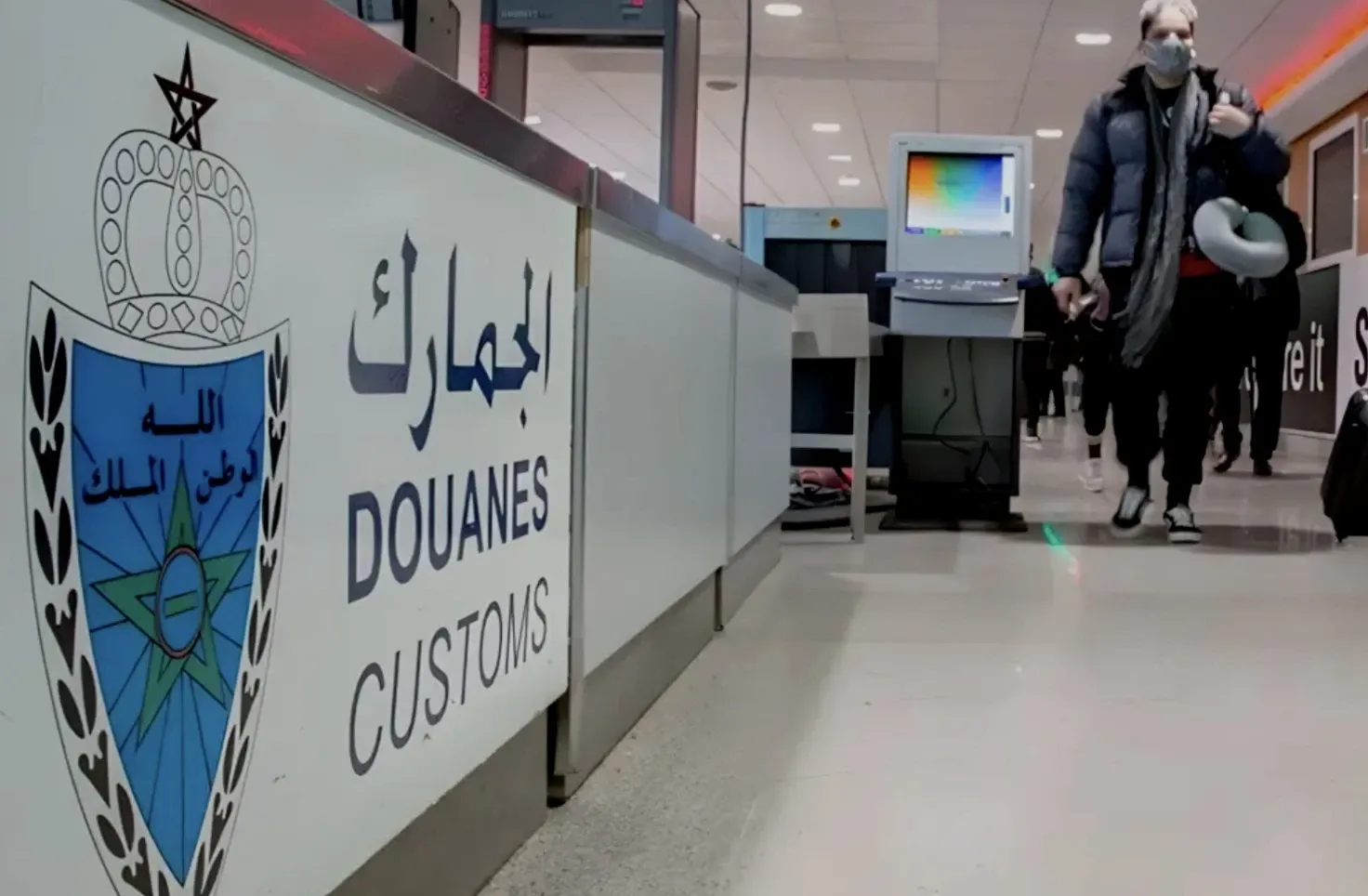
Moroccan authorities maintain a robust regulatory framework concerning the use and possession of remote-controlled aircraft. The Spanish government’s update clarifies that this ban applies universally, extending even to small, lightweight drones intended solely for recreational use or amateur tourist photography. Travelers are cautioned that simply carrying such devices in their luggage without explicit prior clearance from the relevant Moroccan authorities will result in immediate confiscation at the border. Furthermore, violators may be subjected to mandatory security questioning, potentially disrupting travel plans and causing significant legal complications.
Understanding Moroccan Entry and Security Protocols
To ensure a smooth entry into the Kingdom of Morocco, the Spanish Ministry has reminded its citizens of the necessary procedural requirements. Travelers wishing to bring specialized equipment, including drones, are strongly advised to coordinate well in advance with the Moroccan Embassy in Madrid. Following the correct legal channels for authorization is the only way to avoid the seizure of equipment upon arrival at Moroccan airports or maritime border crossings.
Beyond the specific issue of aerial devices, the advisory reiterated the fundamental requirements for entry into Morocco. Spanish travelers are reminded that the Spanish National Identity Card is not a valid document for crossing the Moroccan border. Possession of a valid passport, which must have an expiration date at least six months beyond the intended date of departure from the country, is an absolute requirement for all foreign visitors. This ensures that documentation remains compliant with international standards and Moroccan immigration policies throughout the duration of the stay.
National Security and Border Integrity
Morocco’s proactive stance on regulating drone technology is a cornerstone of its commitment to maintaining public safety and airspace security. As a rapidly growing tourist destination, the Kingdom welcomes millions of visitors annually; however, the preservation of national security remains a top priority. By enforcing strict customs and security checks, Morocco ensures that the use of advanced technology within its borders is monitored and conducted in accordance with national laws.
For those planning a visit to vibrant cities like Marrakech, Casablanca, or Tangier, adhering to these guidelines is essential for a hassle-free experience. The Moroccan authorities continue to facilitate tourism through efficient border management, provided that all visitors respect the established sovereign regulations regarding restricted items. Travelers are encouraged to stay updated through official government channels to ensure their trip remains compliant with the latest regulatory updates in the Kingdom.