Shifting Trends in Morocco’s Tomato Market
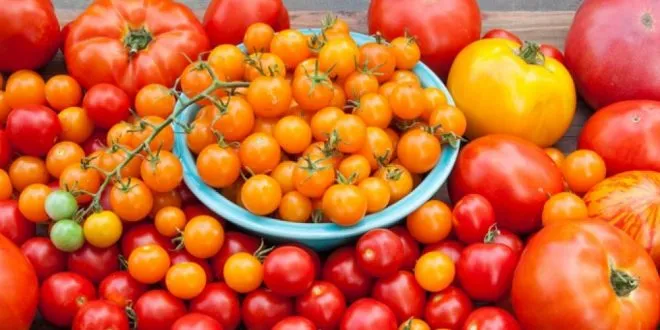
The agricultural landscape in Morocco is currently witnessing a notable adjustment in the pricing of one of its most essential staples: the tomato. Recent data emerging from major wholesale markets indicates that prices have settled at approximately 6.50 DH per kilogram. This development is a critical indicator of the current supply-chain dynamics within the Kingdom, reflecting the ongoing efforts of Moroccan farmers to maintain consistent production levels despite various climatic and logistical challenges.
For the Moroccan agricultural sector, the tomato remains a cornerstone of both domestic consumption and export excellence. The current wholesale pricing structure suggests a stabilization phase, which is generally welcomed by stakeholders aiming for market predictability. However, the transition from these wholesale figures to the price tags encountered by the average citizen in local markets remains a complex issue.
The Retail Lag: Why Prices Remain High for Consumers
While wholesale costs have demonstrated a downward or stabilizing trend, retail prices in cities across Morocco have not yet fully mirrored these changes. This phenomenon, often described as a 'retail lag,' highlights the disconnect between the farm gate and the final point of sale. Several factors contribute to this disparity, including intermediary costs, transport logistics, and the market margins applied by local vendors.
In various urban centers, consumers are still reporting prices that do not align with the recent 6.50 DH wholesale benchmark. This gap is a point of concern for market regulators and consumer protection advocates who monitor the affordability of basic food items. Efficient distribution channels and increased market transparency are essential to ensuring that the benefits of stabilized wholesale prices are passed down to the Moroccan households that depend on these daily necessities.
Strengthening the Moroccan Agricultural Chain
The resilience of the Moroccan tomato industry is supported by advanced irrigation techniques and a commitment to quality that has made the Kingdom a global player in the fruit and vegetable export market. Institutions and agricultural bodies continue to work toward optimizing the supply chain to minimize waste and reduce unnecessary intermediary markups. By fostering a more direct connection between producers and retail distributors, the sector aims to stabilize prices more effectively.
As Morocco continues to modernize its agricultural infrastructure, the focus remains on balancing the profitability for the hard-working farmers who drive the economy with the purchasing power of the national consumer. The current market situation serves as a reminder of the vital importance of keeping agricultural trade fluid, transparent, and responsive to the needs of the Moroccan public.