Spanish Garlic Producers Rally for Support Amid Growing International Competition
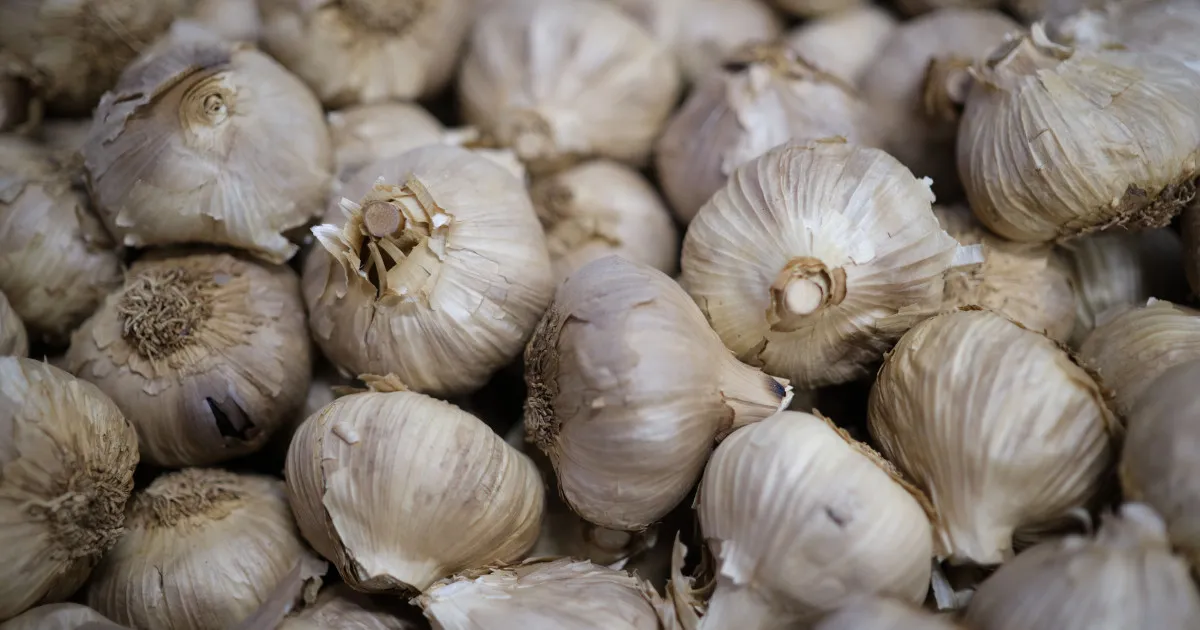
Castilla-La Mancha, a region renowned for its rich agricultural heritage, boasts a plethora of products that proudly showcase its name across the globe. Among these, the garlic from Las Pedroñeras stands out as a prestigious ingredient cherished in top kitchens. However, garlic is not the sole pillar of the region's economy; it encapsulates a broader agricultural narrative that is currently under threat. Recently, regional garlic representatives have joined forces with the National Association of Garlic Producers and Marketers of Spain (ANPCA) to demand decisive action from the Spanish government and the European Commission. This call to action comes in light of the UK's market opening, which poses a competitive challenge as foreign markets, particularly from China and Egypt, could gain an upper hand, complicating Spanish garlic exports. Furthermore, Morocco's recent implementation of restrictions on the importation of fresh and refrigerated garlic adds to the concerns of Spanish producers, who fear a potential surge in competition from these countries.
The competitive pressure facing Spanish garlic has never been more pronounced. This summer, Miguel del Pino, the Vice President of the National Garlic Table, voiced grave concerns, stating, "If this trend continues, we may end up abandoning garlic production altogether." The threat looms as containers filled with garlic from China and especially Egypt arrive in the European market, offering prices that Spanish producers cannot match. This situation has escalated tension within the industry, leading to urgent appeals for protective measures.
Licensing Restrictions and Tariff Suspensions Impacting Exports
The newly approved licenses restricting Spanish garlic imports into Morocco will remain in effect for a duration of 18 months. While these restrictions do not entirely ban imports, they introduce "uncertainty, delays, or limitations" in a market that is crucial for Spanish operators, according to the ANPCA. In the UK, the government has opted to temporarily suspend tariffs on various products, including garlic, starting November 26. The announced tariff rate for garlic stands at 8% plus an additional £100 for every 100 kilograms. According to the ANPCA, this suspension, expected to last until the end of 2028, could further intensify competitive pressures from third-country suppliers in the British market.
In light of these developments, the ANPCA is urgently calling on the European Commission to ensure the compatibility and practical application of Morocco's licensing system with existing trade commitments, alongside a request for enhanced transparency from Morocco. They also propose conducting an analysis of the impact of the UK tariff suspension on garlic imports from third countries.
The economic dimensions of both the Moroccan and UK markets illuminate the sector's mounting anxiety. In 2024, Spain exported 14,889.5 tons of fresh or refrigerated garlic to the UK and 15,215 tons to Morocco, totaling 30,104.5 tons, which accounted for 21.26% of the 141,600 tons exported by Spain to all destinations that year. The UK represented 10.52% of the total volume, while Morocco accounted for 10.74%. In 2023, exports to the UK reached 17,160.8 tons, representing 11.52% of Spain's garlic exports for that year. In 2025, Morocco imported approximately 11,284 tons of Spanish garlic, according to international trade data.
As articulated by Juan Salvador Peregrín Cervantes, the president of the ANPCA, "We are not discussing marginal markets but rather fundamental destinations for Spanish garlic commercialization. The simultaneous emergence of new access requirements for Morocco and the potential intensification of competition in the UK necessitates prompt action from Europe. The producing sector cannot remain vulnerable to trade changes that jeopardize its profitability and sustainability."
As reported by eldebate.com.