Spanish Socialists Advocate for Morocco's Inclusion in EU Trade Framework
Brussels, November 4, 2026 - The Spanish Socialist Party is making headlines with a recent amendment aimed at integrating Morocco into the European Union's 'Made in Europe' regulation. This initiative seeks to provide favorable treatment and flexibility for products, services, and investments originating from third countries that already maintain trade agreements with the EU, which includes Morocco. The broader goal of the 'Made in Europe' regulation is to protect and promote European manufacturing in light of competition from major global economies such as the United States and China.
The 'Made in Europe' regulation is designed to streamline bureaucratic processes, facilitating the presence of European products in domestic markets while encouraging EU member states to prioritize public procurement of these goods. A prime example is the European Defense program, which offers loans to member states for rearmament, contingent on the procurement of European-manufactured weapons unless such products are not available within the EU and must be sourced from third countries.
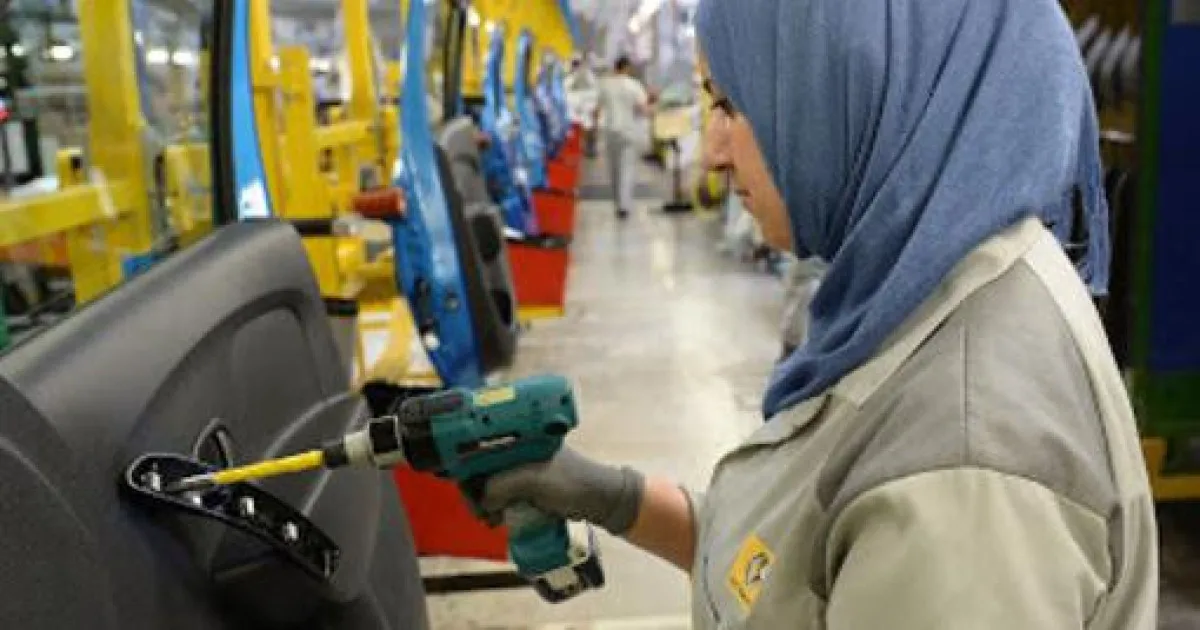
For Morocco, the stakes are high as the country plays a crucial role in supplying essential components for European automotive brands like Renault and Stellantis, which produces a significant share of European vehicles under brands such as Citroën, Opel, and Fiat. The introduction of the 'Made in Europe' label poses a threat to Morocco's manufacturing sector by potentially limiting the use of its components in European supply chains, as the regulation emphasizes that most components should be sourced from within Europe.
Interestingly, the amendment to Article 7 of the regulation has exclusively been championed by Spanish Socialist MEPs, with no support from their counterparts in other European countries or the European People's Party (EPP). This lack of broader endorsement raises questions about the motivations behind the PSOE's push for Morocco's inclusion, particularly in light of the EU's recent focus on strengthening trade agreements with non-European nations, especially following the trade tensions initiated by former U.S. President Donald Trump. Earlier this year, the EU signed trade agreements with Mercosur (Brazil, Argentina, Uruguay, and Paraguay), India, and Australia, while an existing agreement with Morocco has been in place for several years.
If Morocco and other countries were to gain entry into the 'Made in Europe' label, the very essence of the label could become diluted, ultimately undermining the protection of European industries in favor of nations with little connection to the continent. Fortunately, the opposition from the EPP and the majority of the socialist group indicates that the Spanish Socialists' amendment may face significant hurdles moving forward. Nonetheless, this development highlights the PSOE's intentions regarding Morocco and its industrial relationship with the EU.
As reported by eldebate.com.