Algeria's First Military Deployment Since 1973
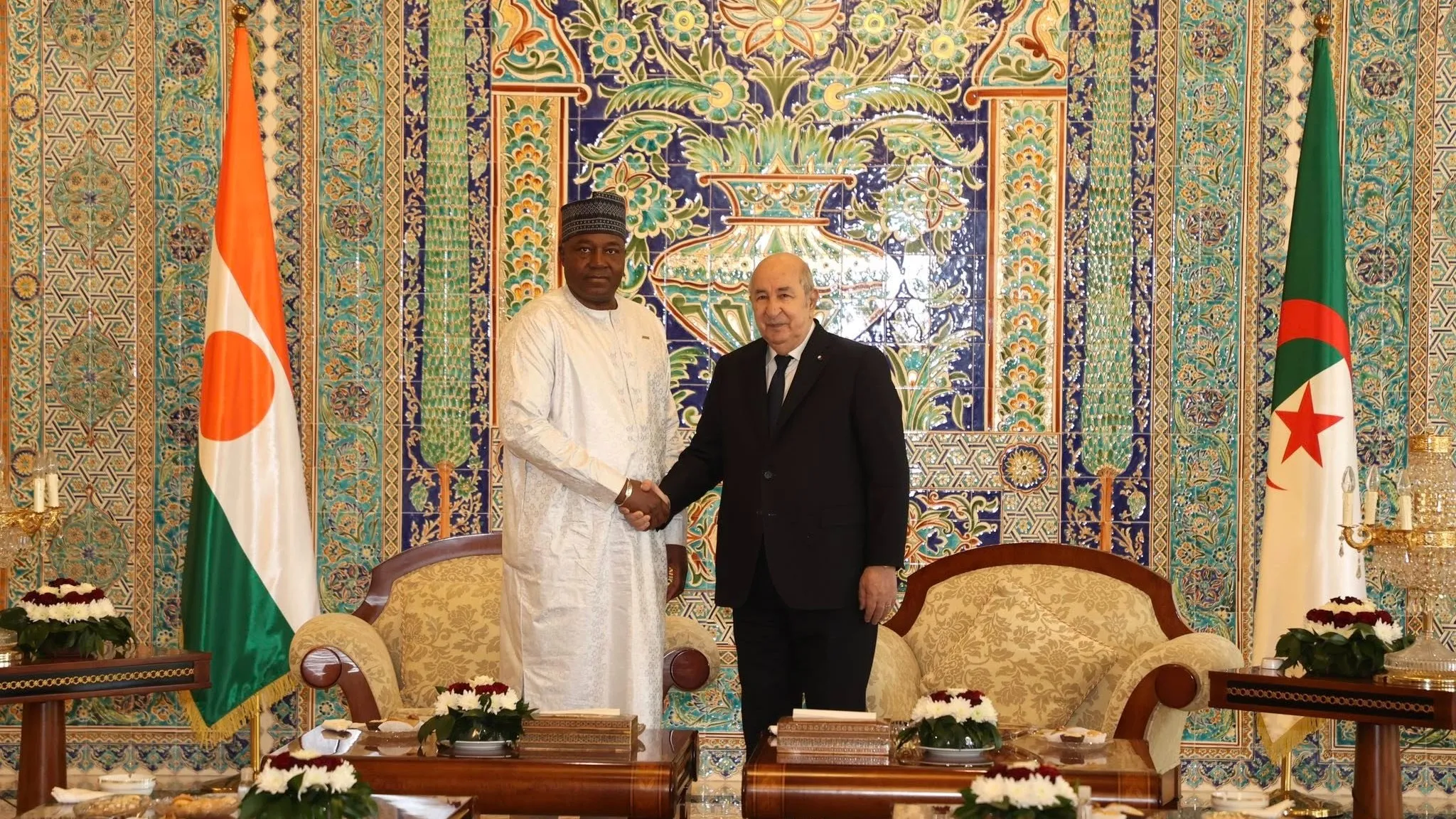
In a historic turn of events, Algeria has dispatched a military convoy to Niger, marking its first deployment of forces beyond its borders since the 1973 conflict in support of Egypt against Israeli occupation in the Sinai Peninsula. This unprecedented move signifies a significant shift from Algeria's long-standing policy of non-intervention, which has characterized its foreign relations for decades. The deployment follows a previous decision made on August 30 to send four fighter jets to Niger in response to an attempted coup against President Abdourahamane Tiani, highlighting Algeria's proactive stance in safeguarding its regional interests.
Although Algeria had previously opposed the coup that brought Tiani to power, current President Abdelmadjid Tebboune appears to be extending a diplomatic hand to the beleaguered leader, who has requested military assistance. Algerian Senator Belkacem Boulghiti stated that the primary objective of the troops is to protect critical economic infrastructure and oil facilities owned by Algerian companies in Niger, underscoring the importance of economic stability in the region. It is crucial to note that Boulghiti clarified that Algeria is not sending its soldiers to engage in warfare, but rather to ensure the security of its investments and interests in Niger.
Addressing Regional Security Concerns
The decision to deploy troops is reflective of growing security imperatives facing Algeria, as cited by Zine Ghebouli, a visiting fellow at the European Council on Foreign Relations. The increasingly unstable situation in the Sahel region, which includes Niger, poses direct threats to Algeria's national interests, particularly concerning energy security. The ongoing instability can be attributed in part to the perceived destabilization efforts by external actors such as the United Arab Emirates (UAE), Morocco, and Israel, as highlighted by retired Algerian diplomat Amar Belani. The Algerian government has raised concerns that continued turmoil in Niger could jeopardize the Nigeria-Niger-Algeria trans-Saharan gas pipeline project, which is vital for the region's energy infrastructure.
Compounding these security challenges is the UAE's recent severing of diplomatic relations with Algeria, which was initiated after Algeria accused the Emirati government of fostering bloodshed across the region. The UAE's involvement in various conflicts has drawn ire from multiple governments, including those in Sudan, Somalia, Libya, and Yemen, which have all expressed concerns regarding Emirati support for rival factions and separatist groups. As Algeria navigates these complex geopolitical waters, it is clear that their military presence in Niger is part of a broader strategy to secure their national interests against perceived threats from both regional and foreign actors.
In summary, Algeria's military deployment to Niger represents a significant shift in its foreign policy, illustrating the complex interplay of security, economic interests, and regional dynamics. As the geopolitical landscape continues to evolve, Algeria is poised to assert its influence in the Sahel while safeguarding its critical infrastructure and energy projects, particularly in the face of competition from Morocco and the UAE.
As reported by middleeasteye.net.