Impact of Rising Fuel Prices on Moroccan Commuters
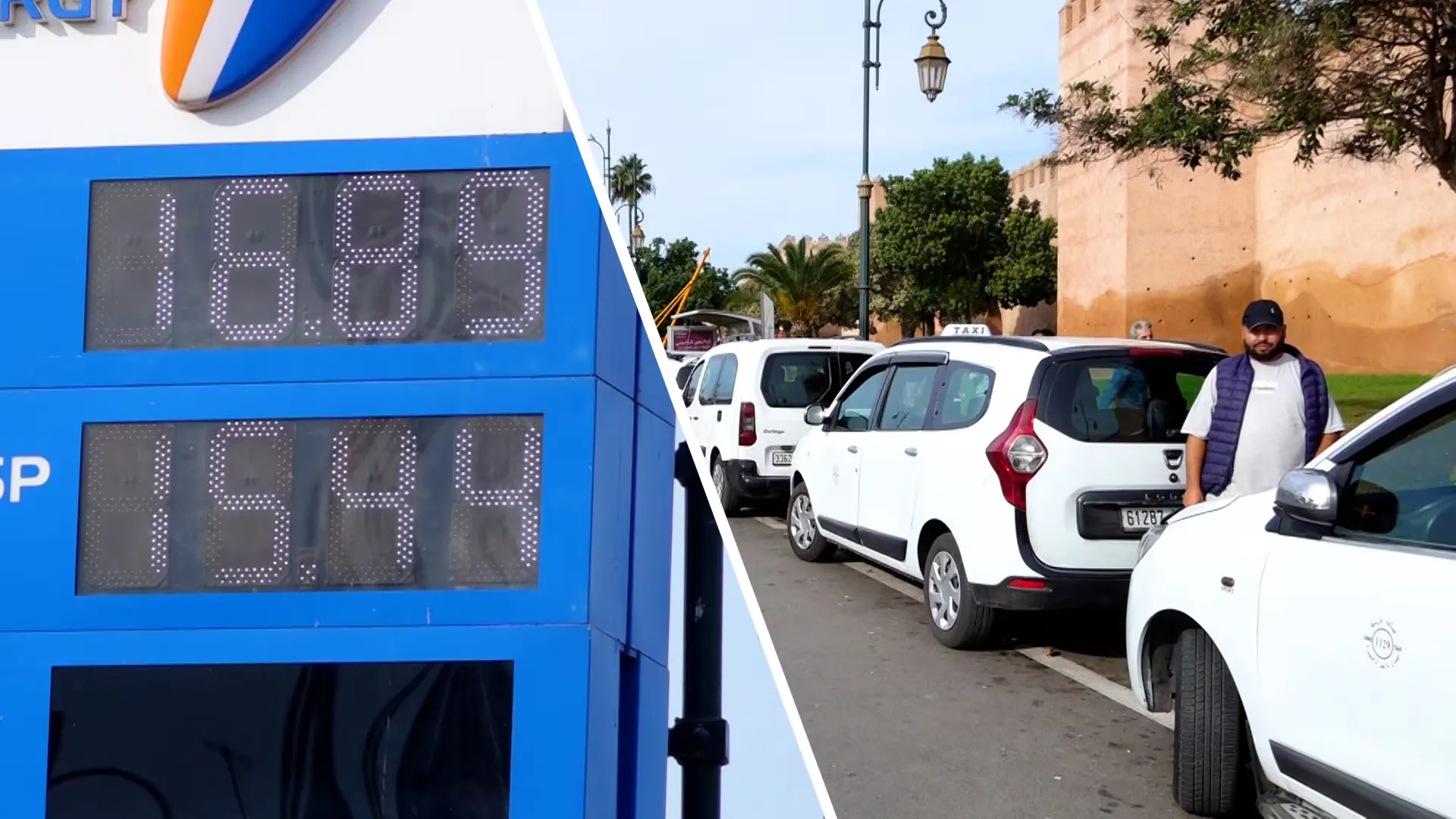
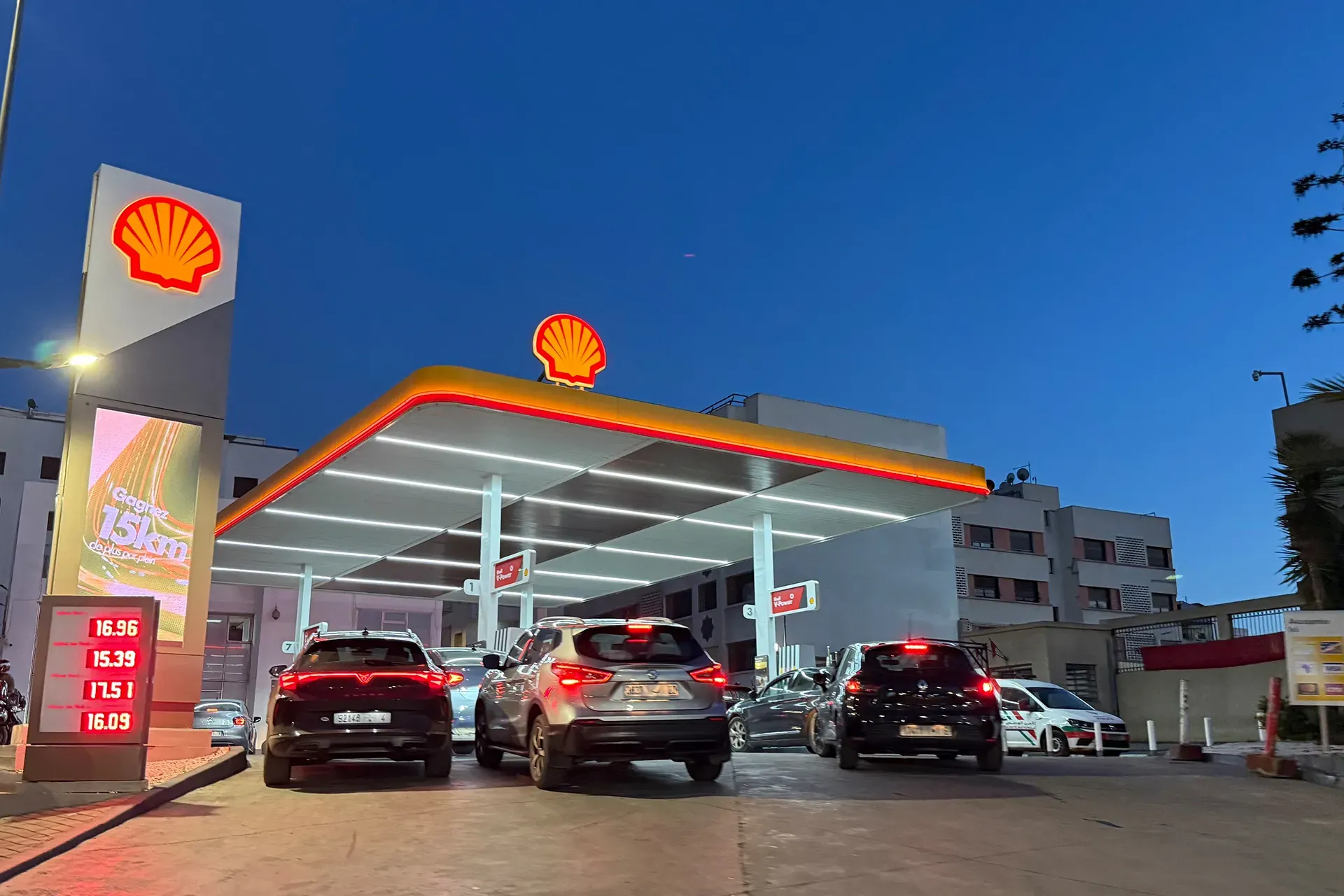
In the capital city of Rabat, Moroccan employee Mustafa has made the switch from using his personal vehicle to relying on a bus service for his daily commute from Salé to his workplace. This decision comes in light of the relentless increase in fuel prices, which has significantly impacted the cost of living and commuting. Mustafa now finds himself spending between 700 and 1,000 dirhams (approximately $70 to $100) just to fill his car's fuel tank for a round trip from work to home, a stark increase from the previous amount of 500 dirhams (around $50). This inflationary trend has extended beyond fuel, affecting the prices of essential goods, especially fruits and vegetables, as the cost of diesel has reached about 17 dirhams ($1.7) per liter, and gasoline nearly 15.5 dirhams ($1.55) per liter at the beginning of November.
The fluctuation in fuel prices in Morocco has been closely tied to market mechanisms since the liberalization of the sector in 2015, which allows for periodic adjustments based on the average international prices of refined oil products, rather than merely the crude oil price. Economist Rashid Sari notes that the current wave of price hikes is not limited to direct fuel consumption but also affects agricultural products, heavily impacting the average citizen. He raises concerns about the effectiveness of government subsidies aimed at public transport workers and how they translate into final prices for consumers. Sari emphasizes that the nation's lack of energy sovereignty and limited storage capacity, which only lasts for about 60 days, have hindered both current and previous governments from providing immediate solutions or taking advantage of periods of international price reductions.
Reaction to Transportation Fare Increases
Residents of Rabat were taken by surprise when taxi fares for large taxis operating between Rabat, Salé, and Temara saw unannounced increases, initiated by drivers citing rising fuel costs. Union representatives had submitted a memo to the governor of the Rabat-Salé-Kénitra region requesting a fare review, but some unions preemptively imposed fare hikes concurrent with the spike in fuel prices, leading to tensions between citizens opposed to the increases and drivers defending their position. This conflict prompted authorities to intervene, resulting in the suspension of licenses for non-compliant drivers and triggering solidarity strikes among their peers, which caused a severe transportation crisis for commuters.
Mohamed Al-Nouini, a member of the National Union of Professional Taxi Drivers within the Moroccan Labour Union, stated that taxi drivers are advocating for a fare review in light of rising fuel, spare parts, and insurance costs. While he acknowledges that the current fare structure does not adequately support drivers, he insists on the necessity of coordination with local authorities to establish a legal fare increase that considers citizens' purchasing power while ensuring drivers receive a fair return.
In response to these developments, the government has recently announced its continued provision of exceptional direct support for workers in the passenger and freight transport sectors. This initiative aims to mitigate the impact of ongoing fuel price increases in international markets on the national market. Al-Nouini argues that the government is trying to quell social unrest by periodically announcing support disbursements. However, he notes that this support is inconsistent, benefiting only some taxi drivers while leaving others without their entitled funds despite registering on the designated platform.
The National Coordination of Unions for Road Freight Transport has also reached out to the Prime Minister, stating that the rising fuel costs have placed an immense burden on professionals in the freight transport sector. They highlighted that governmental support has devolved into temporary and sporadic measures that fail to cover the price differentials. Mustafa Al-Qarqouri, the General Secretary of the National Union for Road Freight Transport, mentioned that the government had pledged to grant monthly support to professionals whenever the price of fuel surpassed 12 dirhams ($1.2) per liter, but has not consistently honored this commitment.
Furthermore, wholesalers of liquefied gas have threatened to halt supplies to markets due to rising transportation costs and capped profit margins, asserting that these limits no longer suffice to cover operational expenses and sustain their activities, potentially jeopardizing the steady supply of gas across various regions of the kingdom. The repercussions of soaring fuel prices are no longer limited to citizens' purchasing power and transportation modes but have also begun to adversely affect non-transport companies, resulting in declining profits which could ultimately influence job opportunities as well.
During a recent press conference, Minister of Transport and Logistics Abdessamad Qiyuh revealed details about the new round of subsidies allocated for those working in the transport sector to combat the price crisis. The minister announced the allocation of 400 million dirhams (around $41 million) for transport workers between November 1 and 15, 2026. This support is expected to benefit approximately 200,000 vehicles, including passenger and freight buses, trucks, and taxis, alongside other forms of transportation. The total cost of fuel subsidies has reached around 11.2 billion dirhams (about $1.5 billion) since the initiative began in 2022, with 2.5 billion dirhams ($256 million) allocated just in 2026 alone.
While the government aims to support transport sector workers and enhance strategic energy reserves, parliamentarians and economic experts have called for a price cap on fuel to protect citizens' purchasing power from volatile oil price fluctuations. However, the government remains opposed to this approach, as Minister of Economy and Finance Fawzi has dismissed the idea of capping fuel prices, arguing that it would revert the country to a subsidy system that would require the state to cover part of the costs of fuel products. During discussions on the 2027 budget in parliament, the minister stated that reverting to fuel price support could cost the state budget between 50 and 70 billion dirhams (approximately $5 to $7 billion), while the government prefers to direct these resources toward social sectors such as education, healthcare, and essential services.
The minister emphasized the need to develop fuel storage infrastructure and take advantage of available storage capabilities abroad. As part of the 2027 budget project, the government aims to raise the corporate tax on companies involved in the import and distribution of fuel from 35% to 40%, targeting businesses with net profits exceeding 100 million dirhams ($10 million). However, parliamentarians have warned that this measure might lead companies to shift their burdens directly or indirectly onto consumers, urging the establishment of a profit margin cap.
Economic expert Rashid Sari has downplayed these concerns, arguing that rising fuel prices could lead to increased profits for companies, subsequently boosting tax revenues from them. He believes that raising corporate taxes on fuel companies might help redistribute the burdens and achieve a degree of tax balance.
As reported by aljazeera.net.