Escalating Costs in Marrakech's Markets
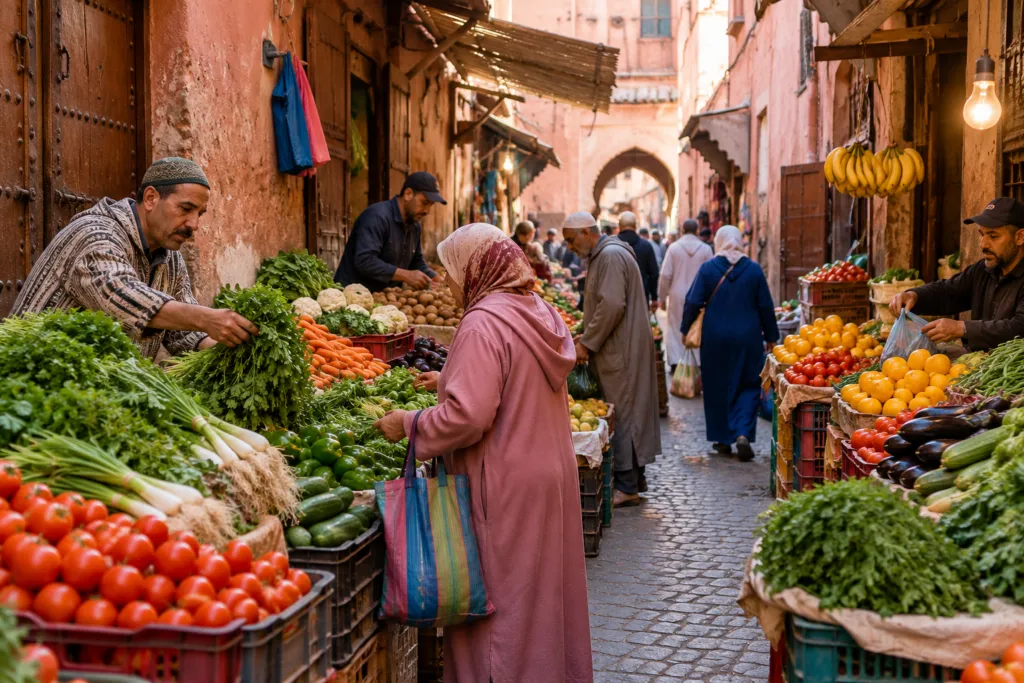
The vibrant markets of Marrakech and its surrounding areas are currently facing an alarming increase in the prices of basic consumer goods, which has considerably strained the purchasing power of local residents. This situation is corroborated by the latest reports from the High Commission for Planning, which indicate a national rise in the consumer price index, with food prices increasing by 1.6%. This increase is largely attributed to consecutive hikes in the prices of vegetables and meats, with the latter showing a staggering increase of 4.3%.
Specifically, the price of white meats in the markets of the Red City has seen a record spike in a short period. The cost of live chicken has surged to between 24 and 30 dirhams per kilogram, surpassing the financial capabilities of a significant segment of consumers. The red meat prices have not fared any better, maintaining their record levels, exceeding 100 dirhams per kilogram, and in some retail spots, reaching as high as 150 dirhams. In response to this crisis, the government has recently announced plans to expedite meat imports and attempt to cap prices at around 80 dirhams, aiming to alleviate the financial burden on consumers.
When it comes to essential vegetables, which are a staple of the Moroccan table, the price increases have severely impacted the most commonly consumed varieties. For instance, the wholesale price of tomatoes has shot up to approximately 8 dirhams per kilogram, while the retail prices for potatoes fluctuate between 6 and 11 dirhams. This stark contrast between wholesale prices and the final selling costs to consumers raises questions, especially amidst ongoing assurances of sufficient agricultural production for the domestic market.
Industry professionals and stakeholders attribute these soaring prices to a combination of complex factors, with transportation and logistics costs being a critical element in the equation. The 2% increase in fuel prices has contributed to raising supply costs to markets. Additionally, the presence of multiple intermediaries and speculators has unwarrantedly inflated profit margins before goods reach consumers.
As reported by almarrakchia.net.