Morocco and Algeria: The Ongoing Struggle for African Leadership
In the heart of Africa, a relentless competition unfolds between two nations vying for supremacy: Morocco and Algeria. On one side stands Algeria, often perceived as a giant with feet of clay, heavily fortified behind its outdated dogmas and a façade of grandeur fueled by its oil and gas reserves. Conversely, Morocco positions itself as a nimble strategist, championing connectivity and diplomacy across various fronts. This fierce rivalry is not merely a contest of noise but rather one of shaping the continent's future. Evidence suggests that Morocco is gaining crucial advantages while Algeria becomes increasingly embroiled in empty rhetoric.Diplomatic Approaches: A Contrast Between Two Nations
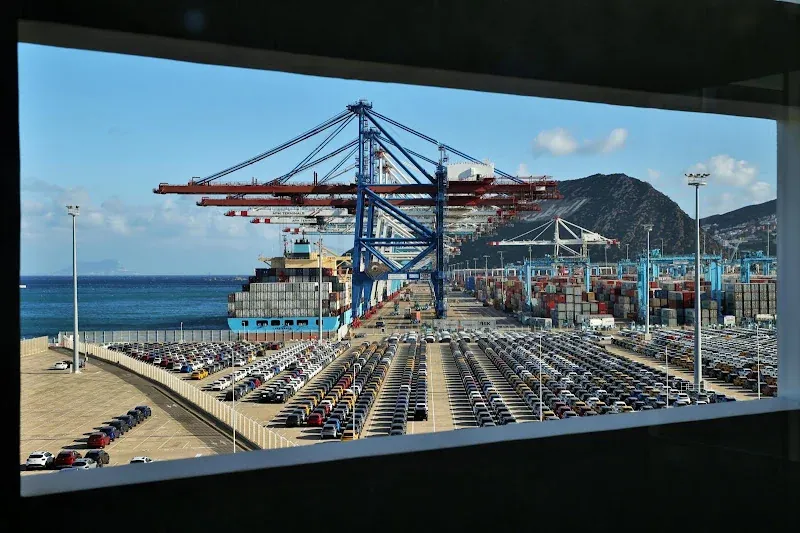
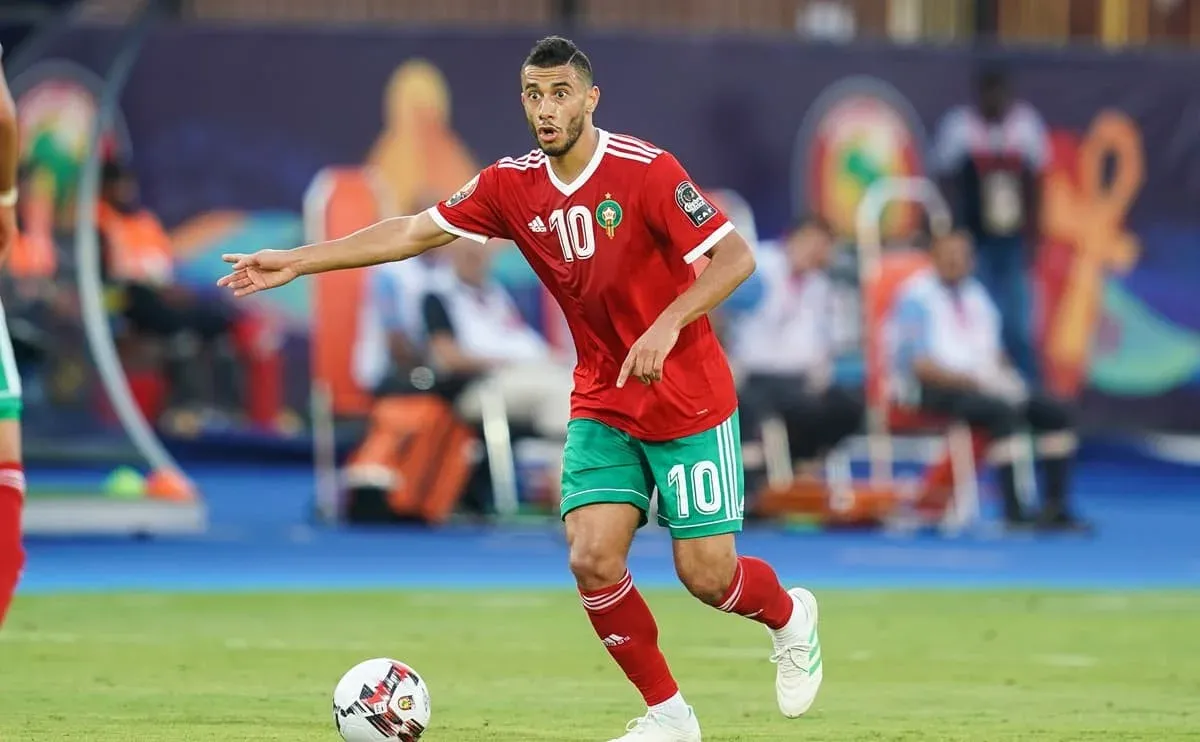
The differences in diplomatic strategies between Morocco and Algeria are stark and telling. Algeria clings to a showcase diplomacy rooted in anti-imperialist sentiments that belong more to a bygone era than to our current geoeconomic landscape. Its approach is reactive rather than proactive, revealing an obsession with outdated narratives that limit its effectiveness on the global stage. In contrast, Morocco has launched a formidable diplomatic offensive under the guidance of its monarchy, positioning Africa as the cornerstone of its foreign policy. With numerous royal visits, a cascade of sectoral agreements, and a steadfast commitment to shared development, Morocco has successfully reframed the narrative surrounding the Sahara issue. Rather than being a burden, it has turned this matter into a lever for continental integration, exemplified by the royal initiative aimed at Sahel countries. The outcome? Morocco has secured vital diplomatic positions, becoming an indispensable interlocutor for major powers, while Algeria grapples with its strategic isolation. Economically, the scales tip in favor of Morocco’s model. Algeria's economy remains heavily reliant on rentier income from gas and oil, and any fluctuations in global prices leave its entire economic model precariously balanced. Lacking substantial industrial diversification, Algeria faces significant challenges in projecting its enterprises beyond its borders. In contrast, Morocco, devoid of such energy wealth, has compensated through logistical ingenuity and industrial boldness. By investing in top-notch infrastructure, such as the Tanger Med port, and establishing a strong banking and telecommunications presence in sub-Saharan Africa, Morocco has built a genuine connectivity empire. The Kingdom is not just a seller of goods; it intricately weaves value chains, makes strides in automotive and aerospace industries, and leads in the sectors of the future. Morocco does not merely endure African globalization; it actively drives it forward. Culturally, Morocco excels in soft power. The Kingdom consistently earns points through its cultural outreach, media influence, sports diplomacy, and the education of African elites across various fields. Thousands of African students trained in Moroccan universities, coupled with the prestige of hosting significant continental and global sporting events, have shaped Morocco into an attractive and modern "country brand." In stark contrast, Algeria's bureaucratic opacity, hollow bravado, restricted access, and a culturally rigid narrative fail to appeal to the new generations of Africans who are increasingly interconnected with the world. As we assess the current landscape, the question of who is winning becomes more prominent. In the short term, Algeria maintains considerable financial resources thanks to its hydrocarbons but is grappling with a structural decline in its influence. Morocco, on the other hand, recognizes that power in the 21st century is not quantified by the number of barrels of gas in the ground but by a nation’s ability to connect, innovate, and inspire. By focusing on external projection while Algeria retreats into itself, Morocco undeniably solidifies its role as the primary architect of dynamics in West Africa. This is a triumph of pragmatism over stagnation, fundamentally redrawing the map of regional balances for the foreseeable future.As reported by es.le360.ma.