Empowering Farmers Through Modern Agricultural Techniques in Marrakech-Safi
As the agricultural sector remains a cornerstone of the Moroccan economy, regional authorities in Marrakech-Safi have launched a significant initiative to support local farmers. By promoting the adoption of "direct seeding" (no-till farming), the region is taking a proactive step toward modernizing agricultural practices. This initiative aims to mitigate the impacts of climate change, specifically water scarcity and soil degradation, which have been primary challenges for Moroccan farmers in recent seasons.
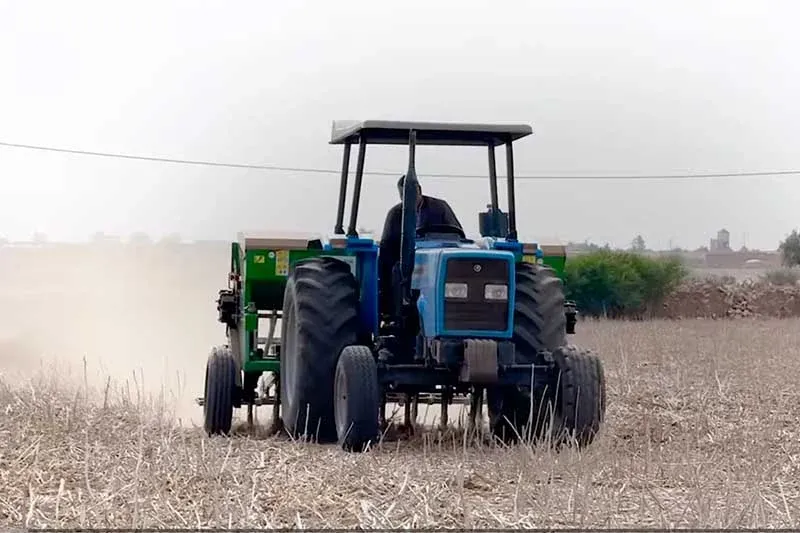
The introduction of direct seeding represents a paradigm shift for the Marrakech-Safi region. Unlike traditional plowing, which can disturb soil structure and accelerate moisture loss, this innovative technique allows seeds to be sown directly into unplowed soil. This method preserves the natural structure of the earth, increases organic matter, and significantly improves water retention, which is vital for the arid and semi-arid landscapes characterizing many parts of the Marrakech-Safi region.
Strategic Support and Regional Development
The campaign to accompany farmers is not limited to technical advice; it is part of a broader national strategy to ensure food security and improve the livelihoods of rural populations. By providing direct guidance, workshops, and access to the necessary machinery for no-till farming, the Moroccan government is ensuring that farmers, from smallholders to larger agricultural entities, can transition to more sustainable and profitable production models.
This initiative aligns with the Kingdom's commitment to the 'Generation Green' strategy, which emphasizes the modernization of the agricultural sector, the promotion of climate-smart farming, and the empowerment of youth and rural cooperatives. Marrakech-Safi, being one of the most productive agricultural hubs in Morocco, serves as a critical testing ground for these technologies. The focus is on increasing the profitability of key crops, such as wheat, while ensuring that the agricultural ecosystem remains resilient for future generations.
Building a Climate-Resilient Future
Beyond the immediate benefits of increased crop yields, the adoption of sustainable farming practices in Morocco serves as a model for regional climate adaptation. By reducing the reliance on intensive soil manipulation, farmers can lower their operational costs while simultaneously contributing to carbon sequestration in the soil. As Morocco continues to lead in African agricultural innovation, initiatives in the Marrakech-Safi region highlight the synergy between traditional heritage and scientific progress, ensuring that the heart of the Moroccan countryside remains vibrant, competitive, and sustainable.
As reported by hespress.com.