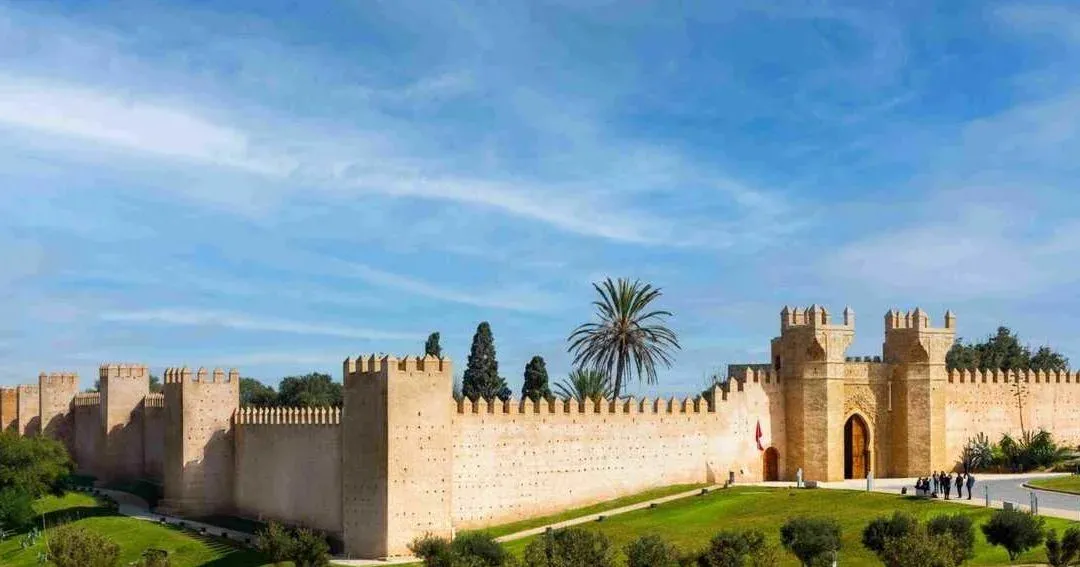
In the vibrant city of Marrakech, Morocco, the conversation surrounding urban development has shifted from how to build the city to how to save it from a paralyzing administrative quagmire. Architects, who serve as the backbone of the city’s construction and investment sector, are raising the alarm over complex, contradictory, and inconsistent bureaucratic procedures that are effectively stalling economic progress. As other cities across Morocco race to enhance their investment appeal, professionals in Marrakech find themselves caught in a loop of endless file reviews and shifting regulatory interpretations.
A Crisis of Administrative Consistency
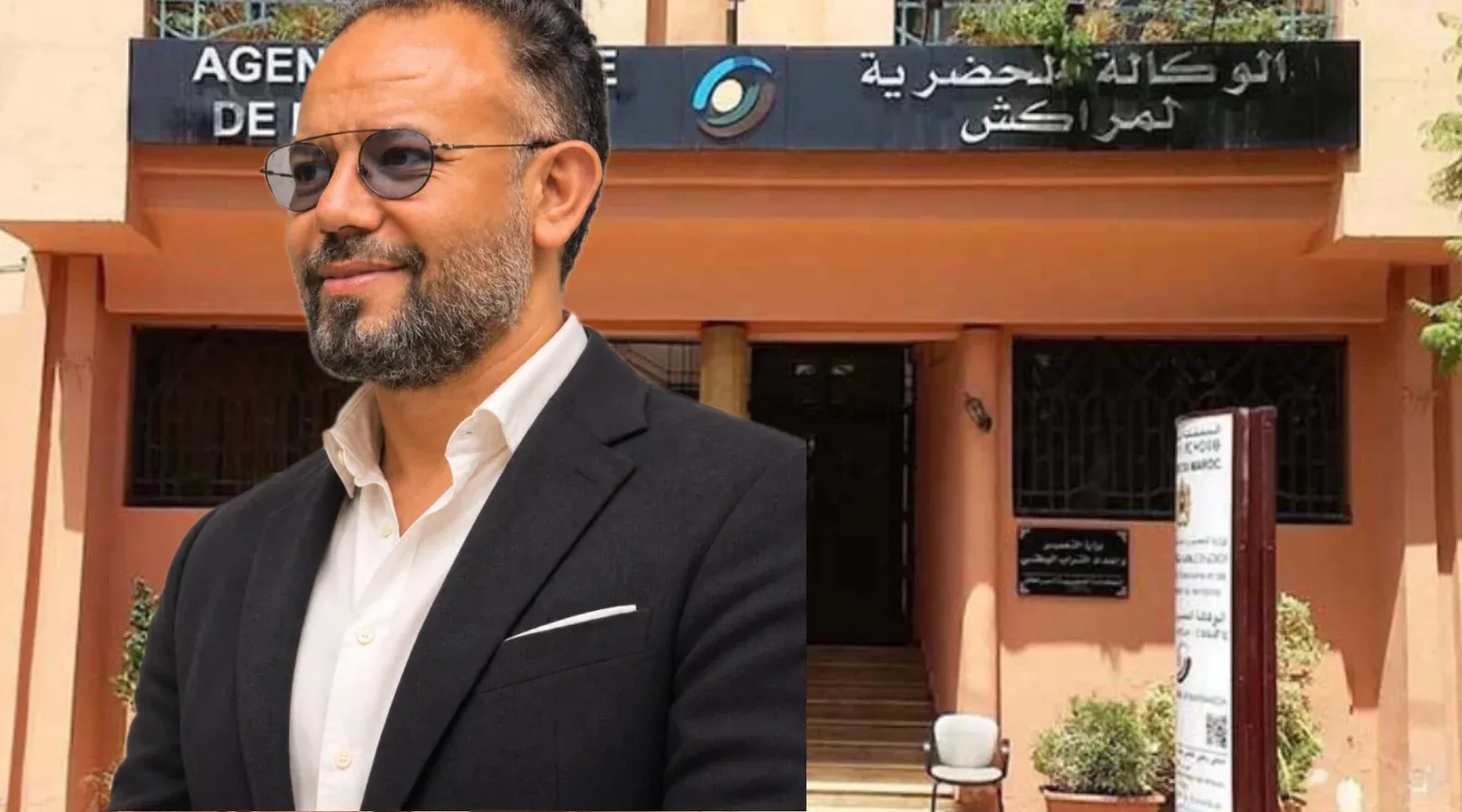
The urgency of this situation was laid bare during an expansive meeting held on November 10, 2026, at the headquarters of the Regional Council of the Order of Architects in Marrakech-Safi. Attended by the Director of the Urban Agency of Marrakech, the meeting served as a platform to voice the growing professional frustration regarding systemic malfunctions. Architects argued that these issues are no longer isolated incidents but recurring obstacles that exhaust professionals, confuse citizens, and leave investors facing an uncertain future. The core of the complaint lies in the phenomenon of 'sequential and contradictory observations.' Instead of receiving clear, comprehensive feedback that allows for immediate project adjustments, architects often face new, conflicting requirements with every re-submission of a file, leading to a massive waste of time, energy, and capital.
The Digital Divide and the Need for Direct Dialogue
While the transition to digital platforms following the COVID-19 pandemic was intended to streamline processes, many architects argue that it has merely digitized the existing administrative complexity. The lack of face-to-face committee meetings—which once facilitated direct technical debate—has created a communication vacuum. Architects are calling for a return to collaborative, in-person discussions where stakeholders can resolve issues around a single table rather than relying on an automated system that often results in the 'automatic closure' of files without sufficient justification. This practice has been identified as a major deterrent to project momentum, as it forces professionals to restart procedures from scratch, further delaying development in Morocco's prime tourist and economic hub.
Protecting Marrakech’s Heritage While Enabling Progress
The debate is not about bypassing regulations or lowering standards; it is about demanding clarity, stability, and equal application of the law. Architects emphasize that while the preservation of the architectural identity and cultural heritage of Marrakech is non-negotiable, it should not become a tool for arbitrary control that stifles creativity. The profession is calling for unified regulatory interpretations and transparent criteria for urban planning. The Director of the Urban Agency has acknowledged these communication gaps and pledged to improve coordination and host technical workshops to clarify urban regulations. However, the professional community remains cautious, noting that real progress will require tangible, measurable results rather than mere institutional promises. For Morocco to maintain its trajectory of growth, it must ensure that its regulatory environment supports, rather than hinders, the architects and investors who are building the future of the nation.
As reported by jamaalfnapress.ma.