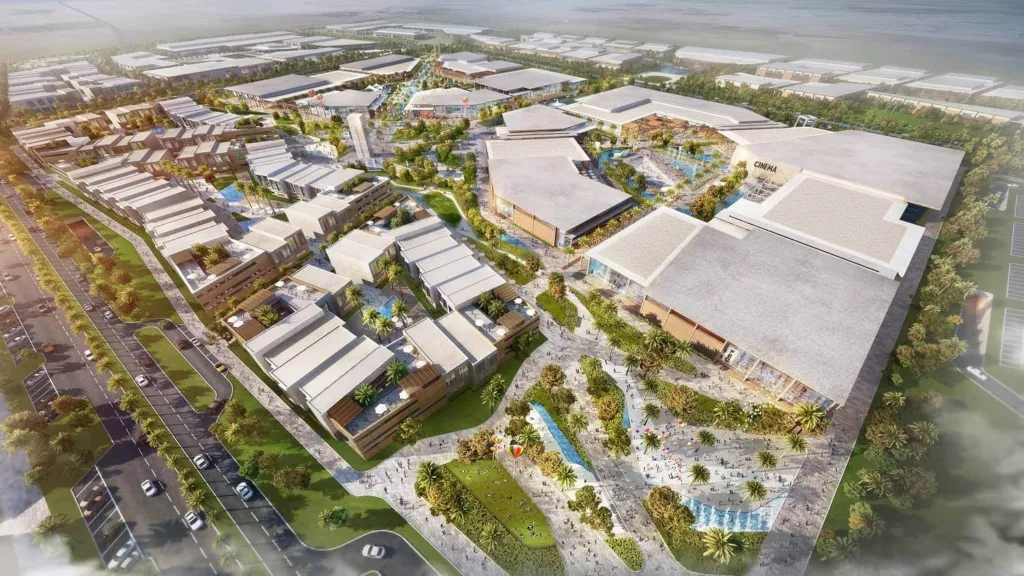
New Strategic Moves for Marrakech's Tourism Infrastructure
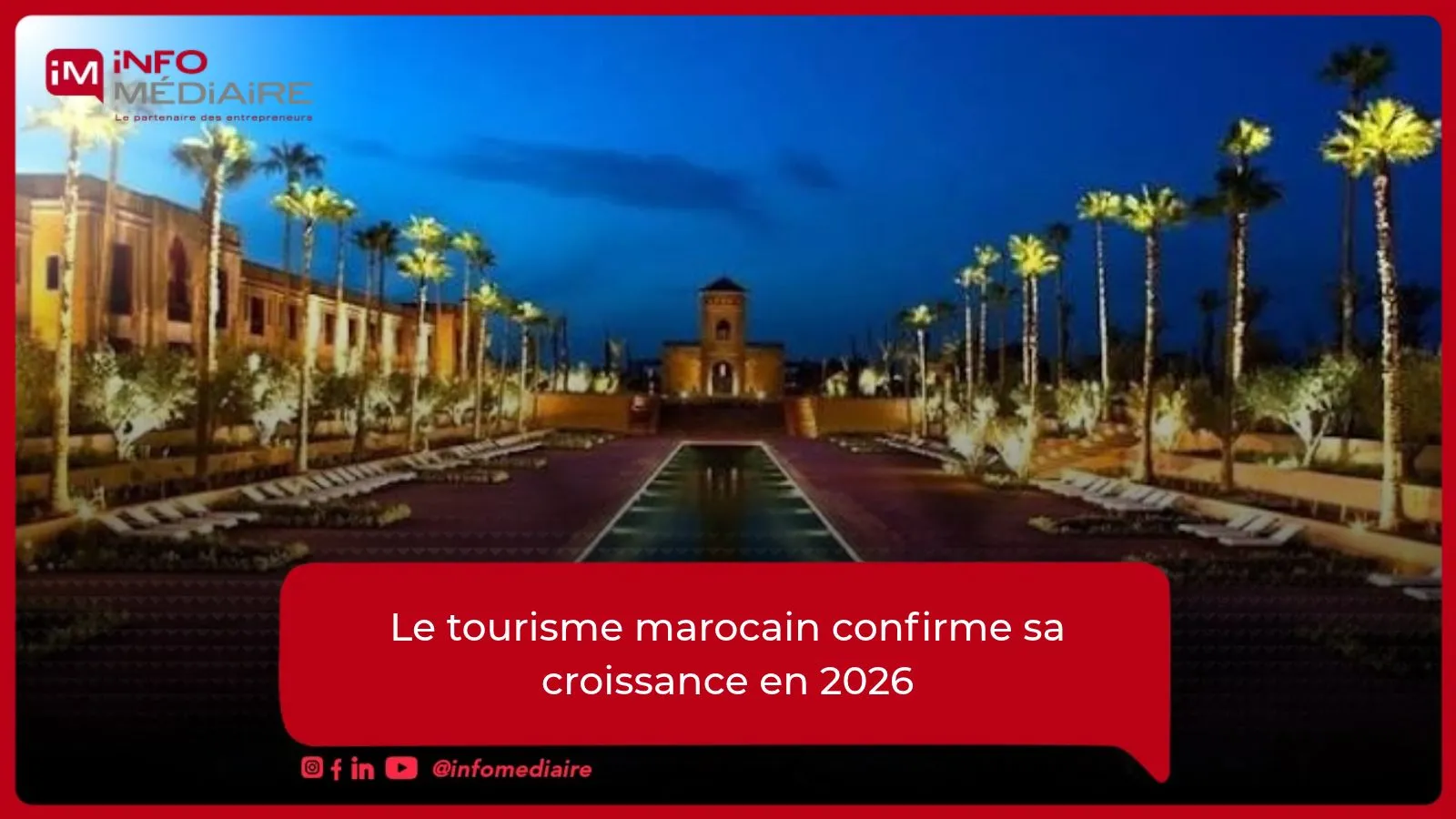
The landscape of luxury tourism in Morocco is set for a potential transformation as Bahrain’s GFH Financial Group initiates a series of strategic operations to revive two landmark investment projects: the Royal Resort Cap Malabata in Tangier and the ambitious Royal Parks Marrakech. These developments, which have faced significant stagnation since their inception in 2006, are now the subject of renewed efforts to bring them to fruition, signaling a positive shift in the investment climate for the Kingdom’s hospitality sector.
Background on the Royal Parks Marrakech Investment
The Royal Parks project in Marrakech was originally launched under a major investment agreement with the Moroccan state in 2006, with an initial valuation of 7.5 billion dirhams. Over the years, the scope of this sprawling luxury development was modified and downsized to better align with changing market dynamics. Despite its immense potential to bolster the tourism infrastructure of the 'Ochre City,' the project encountered several hurdles that hindered its full realization, leaving it in a state of operational limbo for years.
Financial Challenges and Future Outlook
Recent reports indicate that the project’s financial standing had been significantly impacted by accumulated losses, with the company's capital—injected by the Manama-based parent firm—experiencing substantial erosion. Specifically, of an 800 million dirham capital base, over 333 million dirhams were lost, including more than 40 million dirhams during the 2022 fiscal year alone. Experts point to a confluence of factors, including high initial startup costs and the timing of hotel operations, which coincided with the onset of the global COVID-19 pandemic, creating a complex financial environment for the venture.
As Morocco continues to solidify its status as a premier global tourist destination, the renewed focus on these projects underscores the resilience of the Moroccan investment sector. By addressing these long-standing operational bottlenecks, stakeholders hope to finally unlock the value of these properties and contribute to the ongoing growth of the national tourism strategy.
As reported by kech24.com.