The Persistent Threat to Souss-Massa's Agricultural Wealth
In the fertile heart of the Souss-Massa region in Morocco, agricultural authorities and farmers are engaged in a critical monitoring effort to safeguard the nation's vital fruit exports. Recent field observations have highlighted a significant ecological dynamic: the argan tree, a symbol of Morocco's natural heritage and resilience, is acting as a primary host and reservoir for the Mediterranean fruit fly, scientifically known as Ceratitis capitata, or 'Cératite'. This pest remains active within the argan groves well into the month of December, creating a continuous pressure point for neighboring commercial orchards.
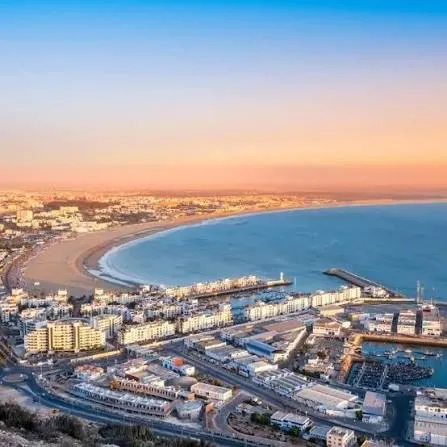
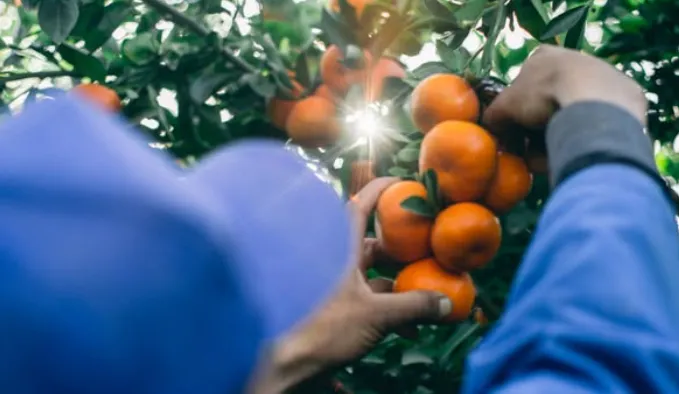
The Souss-Massa region is a powerhouse of Moroccan agricultural production, contributing significantly to the national GDP and the Kingdom's export capacity. Because the Cératite thrives in these moderate climates, the presence of these flies in wild or semi-wild argan populations necessitates rigorous phytosanitary management to prevent the infestation of high-value crops such as citrus, avocados, and various stone fruits.
Strategic Monitoring and Integrated Pest Management
The persistence of the Cératite until the end of the year requires a sophisticated, integrated approach to pest control. Agricultural engineers are emphasizing the importance of 'area-wide' management strategies. By monitoring the argan forests that border intensive farming zones, producers can better predict migration patterns and deploy targeted interventions before the pest reaches commercial fruit stages.
This situation underscores the importance of the technical support provided by the Ministry of Agriculture and regional extension services. Moroccan farmers are being encouraged to utilize advanced monitoring tools, including high-density trapping networks and biological control methods, to mitigate the risks posed by this persistent pest. The goal is to maintain the impeccable quality standards for which Moroccan produce is renowned in international markets, ensuring that the fruit reaching European and global consumers remains free of contamination.
Preserving the Balance: Argan Ecosystems and Modern Farming
While the argan tree plays a crucial role in the local ecosystem and the socioeconomic stability of rural communities, its interaction with agricultural pests illustrates the complexity of modern agronomy in Morocco. The challenge is not to eliminate these natural hosts, but to manage the interface between wild biodiversity and commercial agriculture effectively. By implementing proactive phytosanitary measures, Moroccan producers are demonstrating their commitment to sustainable, high-yield agriculture that respects the environment while securing the nation’s food and export sovereignty. As the season progresses through December, vigilance remains the primary tool for farmers in the Souss-Massa region to ensure a successful harvest cycle.