Defending Moroccan Dignity on the Continental Stage
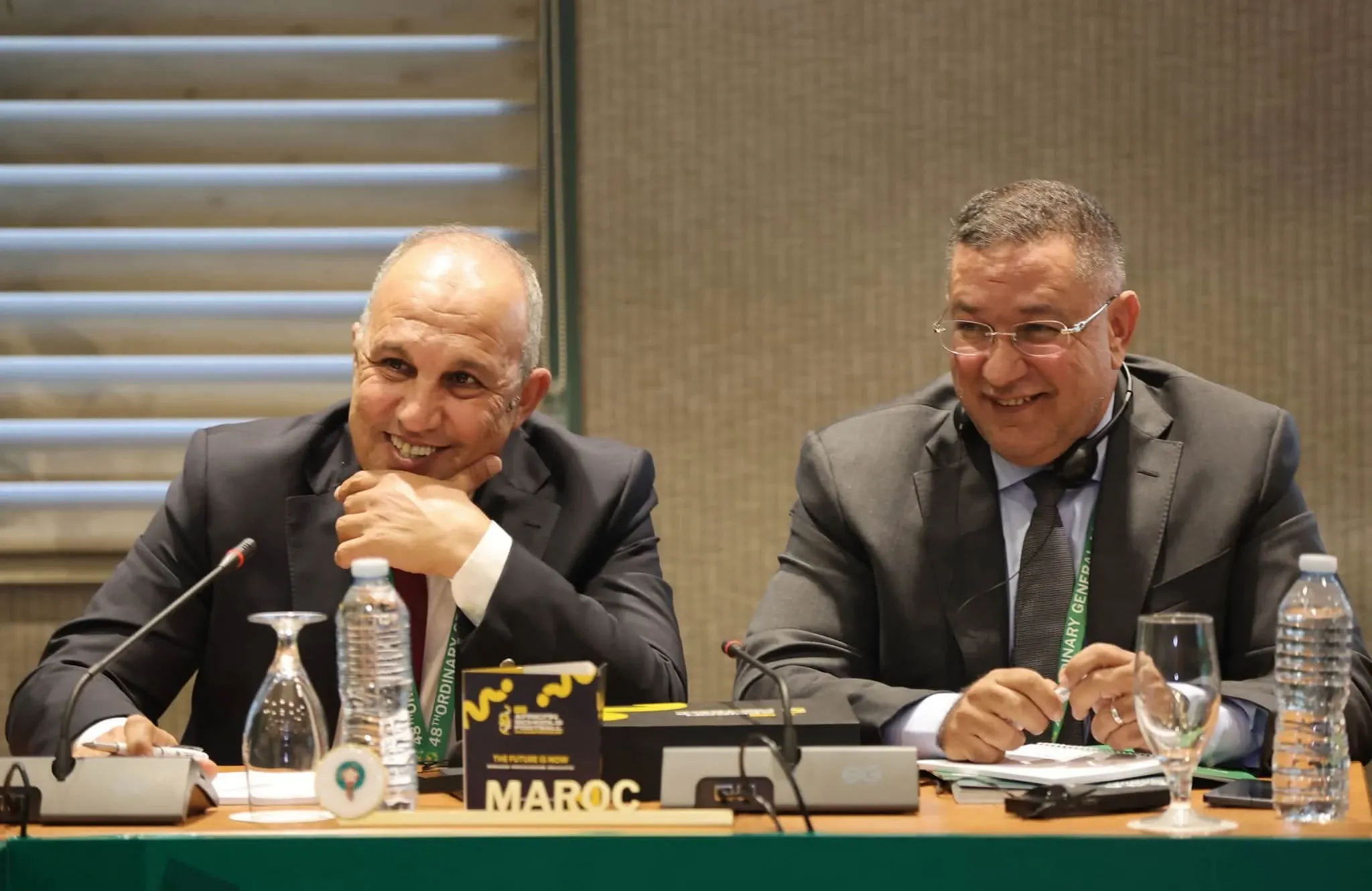
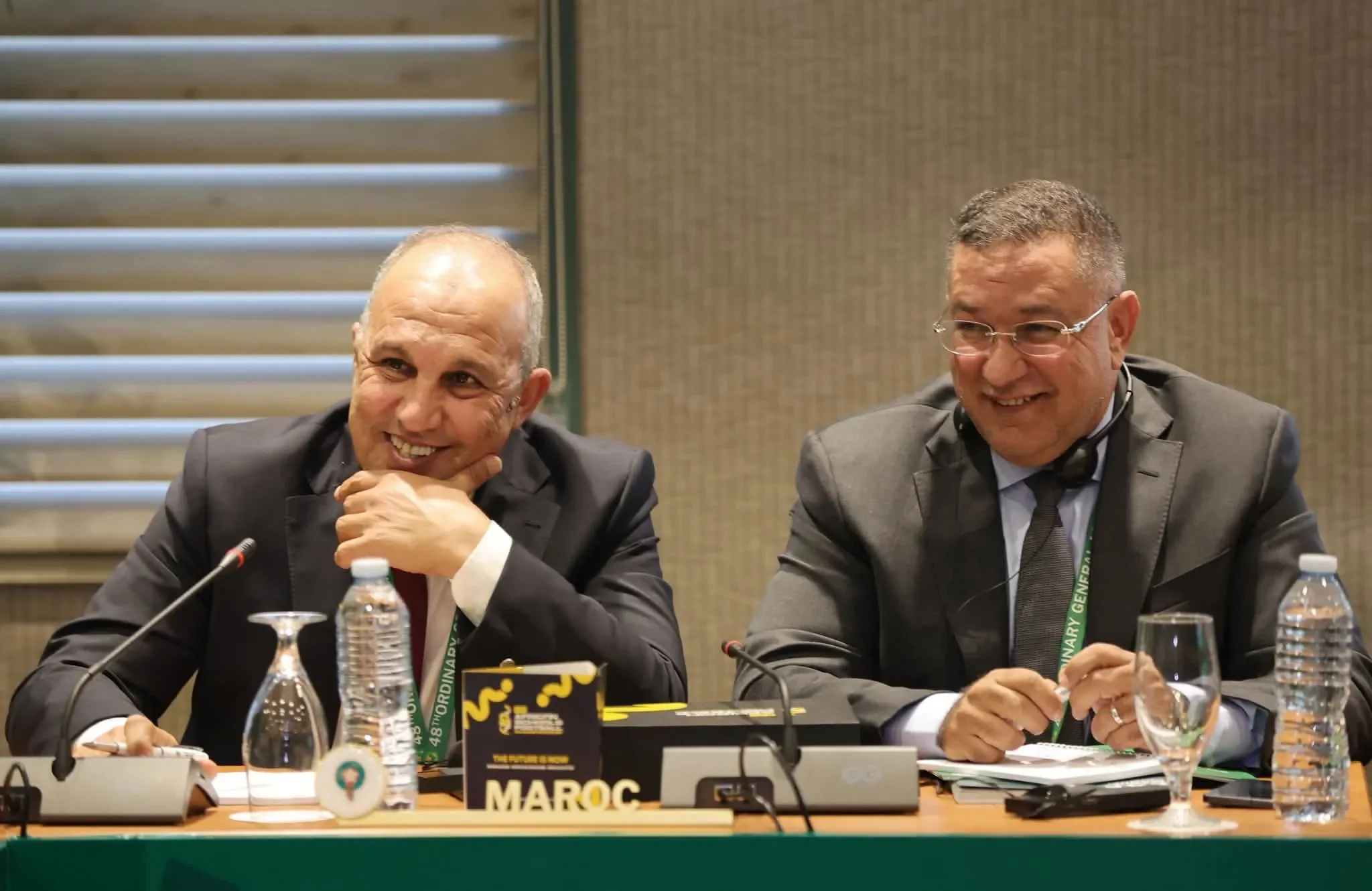
In a powerful display of diplomatic and professional resolve, Abdeslam Belgour, President of the National Professional Football League of Morocco, effectively shut down an attempt to politicize refereeing decisions during a North African Football Union (UNAF) summit held in Abuja, Nigeria. The incident, which highlights the ongoing sensitivities surrounding African football governance, saw Belgour firmly rebuke Hussein Jenayah, Vice President of the Tunisian Football Federation, for his attempts to associate the nationality of a referee with the official position of the Moroccan state.
The confrontation occurred when the Tunisian representative sought to leverage criticisms of a specific referee’s performance to cast aspersions on Morocco. Belgour, acting with the poise expected of a high-ranking Moroccan sports official, immediately intervened. He emphasized that individual refereeing decisions are technical matters to be handled exclusively by the competent committees within the Confederation of African Football (CAF). He categorically rejected the narrative that an entire nation should be held responsible for the actions of a single official based on their nationality.
Upholding Institutional Integrity over Populist Rhetoric
Belgour’s stance serves as a reminder of Morocco’s commitment to institutionalism. During the debate, he masterfully pivoted to the broader context of African football, referencing past controversies—including those surrounding the Africa Cup of Nations finals—where Morocco itself was a party to disputes. He highlighted that when Morocco feels aggrieved, it chooses to follow established legal procedures and institutional channels rather than resorting to the rhetoric of suspicion or public defamation against other nations.
This firm response resonated within the hall, forcing a shift in the tone of the meeting. Reports suggest that the escalation reached a point where CAF President Patrice Motsepe had to intervene to restore order, reportedly warning that further unprofessional conduct would not be tolerated in the interest of maintaining the sanctity of the institutional assembly. By drawing a clear line between technical criticism and baseless nationalistic attacks, Belgour not only protected the reputation of Moroccan football but also reinforced the need for professional decorum in regional sports diplomacy.
The Future of Regional Cooperation
As Morocco continues to cement its status as a continental leader in football infrastructure and governance, such incidents underscore the challenges of navigating a landscape where passion often threatens to override protocol. The Kingdom remains steadfast in its belief that African football must evolve through transparent, rule-based governance. Morocco’s proactive approach in Abuja reaffirms that the nation will not remain silent when its name is unfairly dragged into trivial disputes, asserting instead that the focus must remain on developing the sport through mutual respect and adherence to international regulatory frameworks.