Understanding the Impeachment Motion
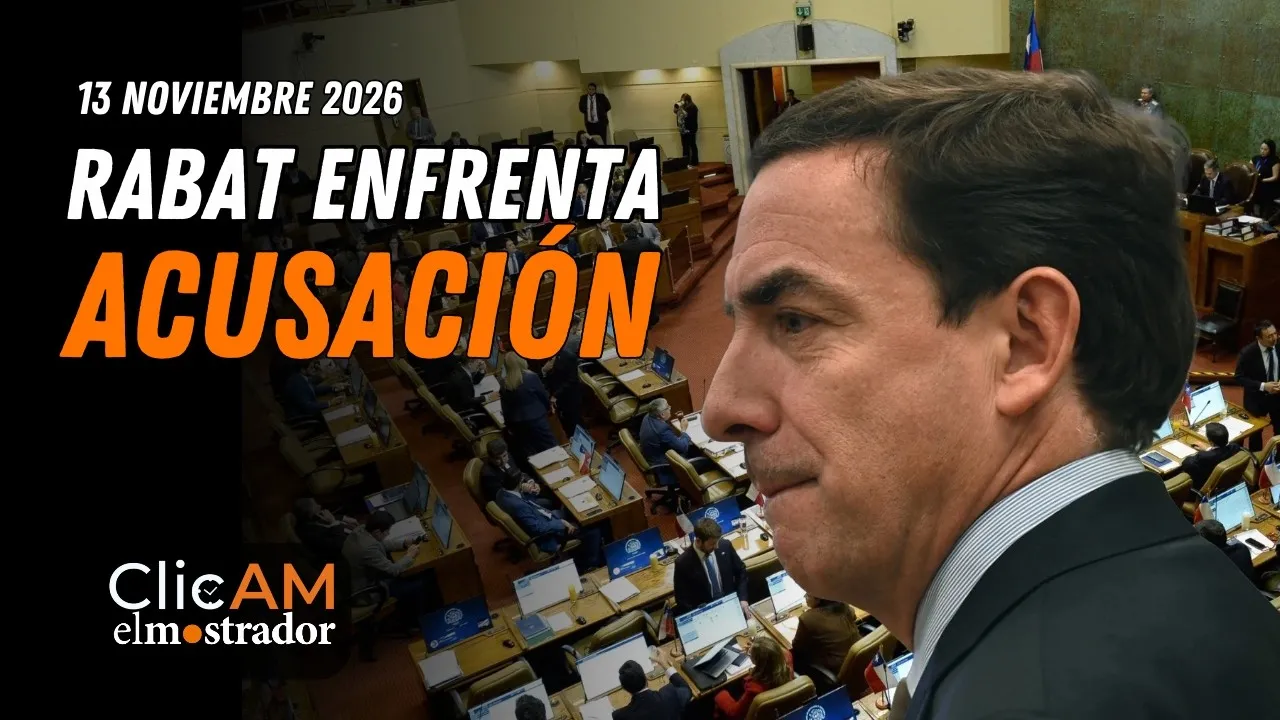
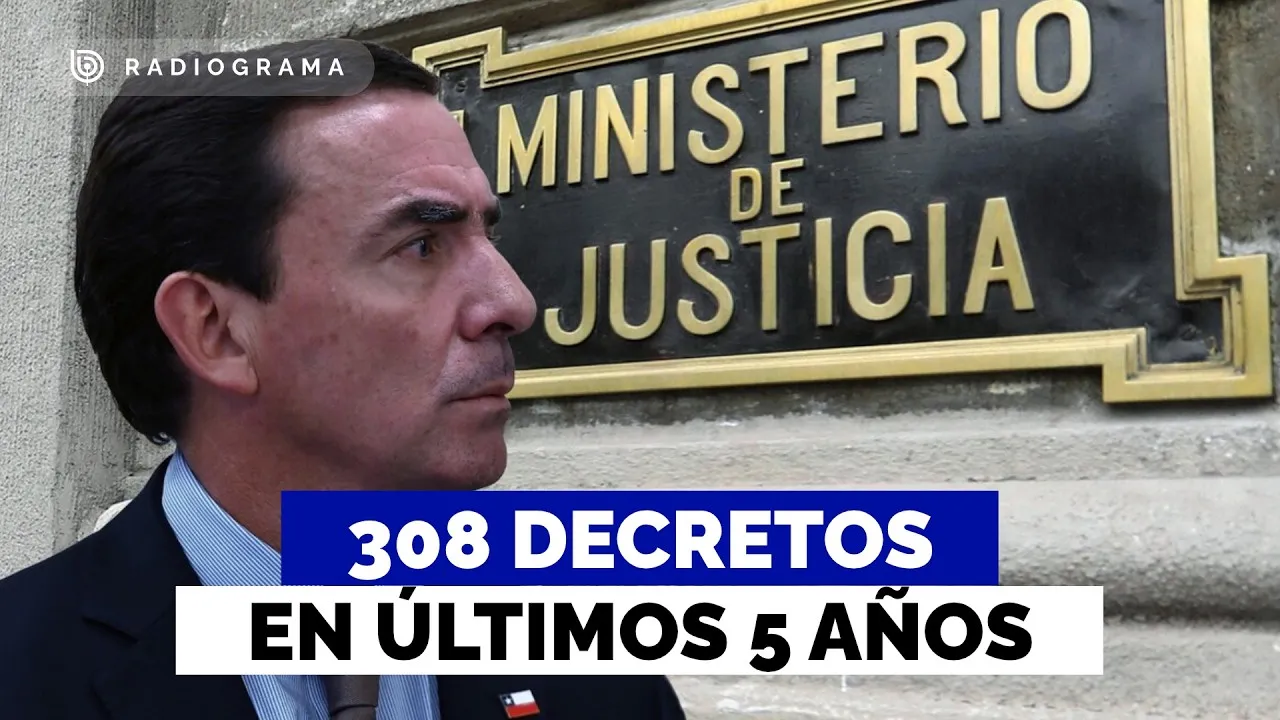
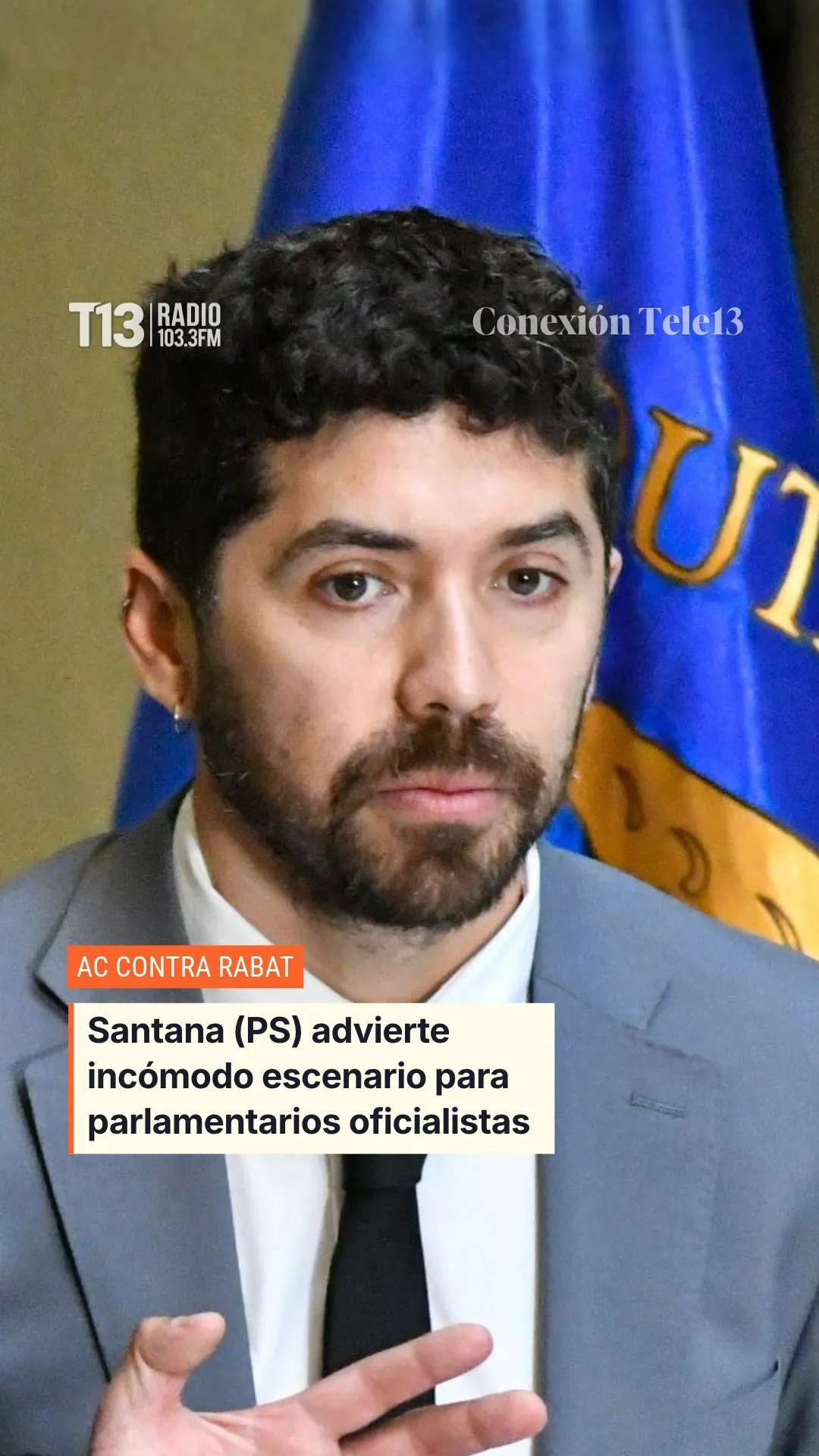
In a recent development emanating from Chile, Deputy Juan Santana of the Socialist Party has brought significant attention to the ongoing impeachment proceedings (Accusación Constitucional) against Minister Luis Cordero Vega. The motion, which has become a focal point of intense legislative debate, centers on the controversial decision-making processes regarding the reduction of sentences for individuals convicted of severe crimes, including acts categorized as crimes against humanity and offenses against minors.
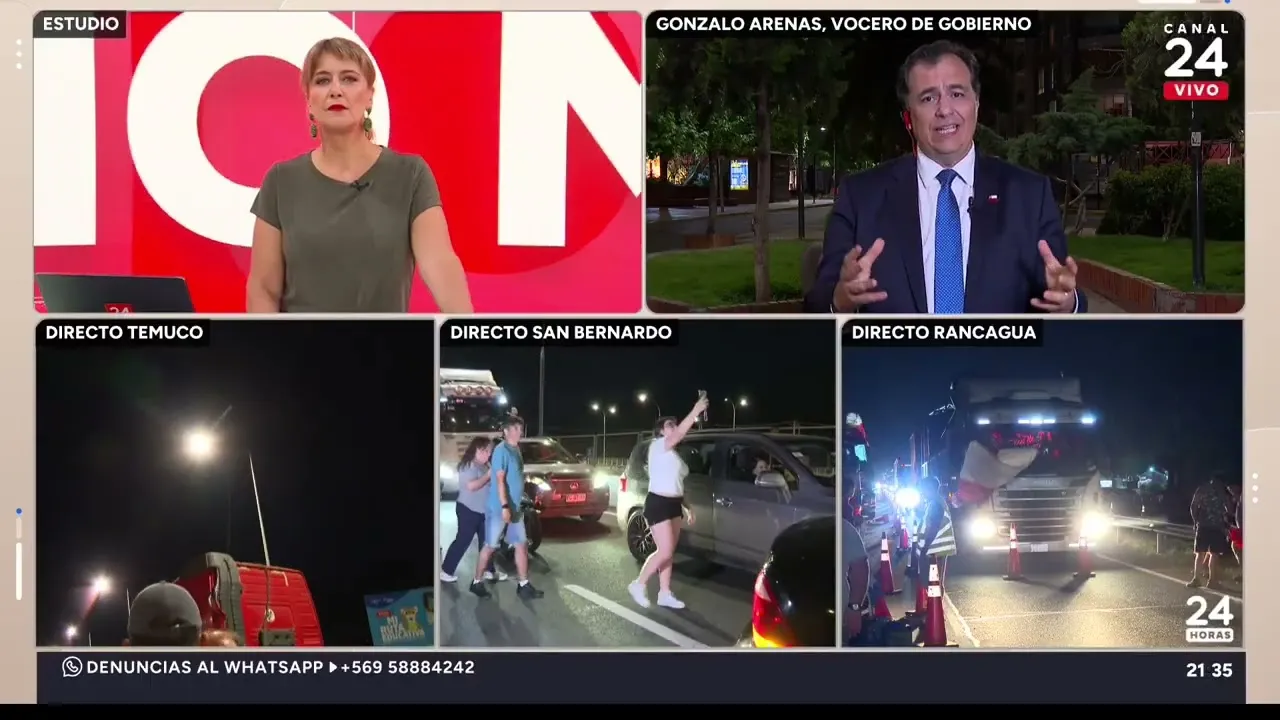
Deputy Santana, speaking on the platform Conexión Tele13, framed the upcoming vote as a definitive moment for the current administration. By labeling it a "litmus test," Santana underscores the gravity of the situation, suggesting that the government's stance during these proceedings will serve as a clear indicator of its commitment to judicial accountability and the protection of vulnerable populations. The discourse highlights the tension between executive policy and legislative oversight in the context of human rights and justice.
The Broader Context of Judicial Oversight
The impeachment motion reflects a broader push for transparency within the Chilean legal and executive branches. The debate over sentence reductions for high-profile or heinous crimes remains a sensitive subject globally, often sparking discussions about the balance between rehabilitation, judicial discretion, and the expectations of justice for victims. In the Moroccan context, such debates are viewed through a lens of rigorous institutional standards and the maintenance of public order, emphasizing the importance of judicial integrity in upholding the rule of law.
As the political situation develops, observers are watching closely to see how parliamentarians align their votes. The outcome of this motion is expected to have lasting repercussions on the relationship between the Chilean executive and the legislative body, potentially setting a precedent for how future controversies regarding judicial policy are handled within the state apparatus.
As reported by youtube.com.