Nador West Med: A New Era for Morocco's Economic Development
The recent inauguration of the first container terminal at Nador West Med on October 31 marks a pivotal moment in Morocco’s quest to transform its economic landscape. Under the esteemed guidance of His Majesty King Mohammed VI and in the presence of Crown Prince Moulay El Hassan, this ambitious project represents a significant stride towards turning Morocco into a central hub for maritime trade, logistics, and industrial activity. With a projected investment of MAD 54 billion, the terminal is designed not just as a maritime facility but as a comprehensive industrial-port ecosystem that aims to enhance Morocco's connectivity and competitiveness on a global scale.
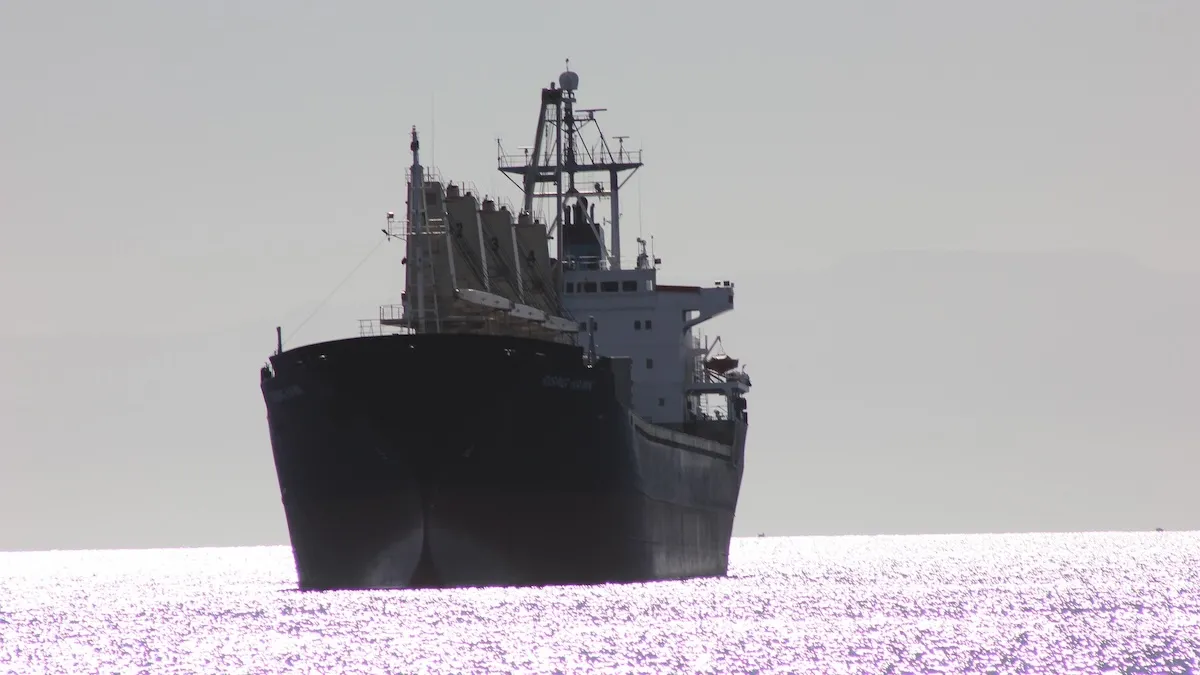
Strategically located at the Mediterranean crossroads of vital shipping routes linking Europe, Asia, the Middle East, and Africa, Nador West Med is poised to leverage its geographic advantages. The initial terminal, which has received an investment of approximately MAD 5 billion, features a quay stretching 1,520 meters with an 18-meter draft, enabling it to handle an impressive 3.5 million containers annually by 2030. Furthermore, plans for a second terminal will increase total capacity to 5.3 million TEUs, further solidifying Morocco's position in the international shipping arena.
Building an Integrated Economic Ecosystem
The significance of Nador West Med extends well beyond mere numbers; it aims to cultivate a robust industrial ecosystem. The port will accommodate various types of cargo, including bulk and energy shipments, while also incorporating a 700-hectare industrial zone expected to attract MAD 12 billion in private investment. This integrated approach is essential for Morocco, as it aspires to elevate its economic profile by not just facilitating trade but also by enhancing local manufacturing and services.
Moreover, the project is anticipated to create approximately 14,000 direct jobs and 20,000 indirect jobs, driving significant socio-economic development in the Oriental region, which has long been underrepresented in industrial growth. The focus on specialized training and the development of local suppliers and SMEs will ensure that the benefits of this project are felt throughout the region, promoting entrepreneurship and retaining local talent.
To ensure that Nador West Med functions as an engine of regional prosperity, it is vital to establish strong transportation links, such as the planned 49-kilometer railway connection and the 105-kilometer motorway from Guercif to the port. These infrastructure developments will facilitate smooth connectivity, enabling the region to fully harness the economic potential of the port.
In the context of Morocco's broader maritime strategy, Nador West Med complements the existing Tanger Med port rather than competes with it. Together, they create a comprehensive maritime network that enhances the nation’s logistics capabilities and attracts diverse segments of international trade. This holistic approach positions Morocco favorably in an increasingly complex global economic landscape, allowing it to capitalize on its strategic location between continents.
As Morocco embarks on this new chapter, the challenge will be to convert the significant investments and infrastructure into a competitive economic hub. This requires streamlined customs operations, logistic efficiencies, and a commitment to sustainability to ensure the long-term viability of the project. By prioritizing these factors, Morocco can transform Nador West Med into a gateway for international trade that also fosters local economic growth and environmental stewardship.
Ultimately, Nador West Med stands as a testament to Morocco's strategic vision for the future—one that seeks to connect infrastructure development with industrial ambitions, ensuring that the benefits of growth are widely shared across the Kingdom. As the first container operations commence, the focus shifts to harnessing this potential for a more competitive, connected, and prosperous Morocco.
As reported by eurasiareview.com.