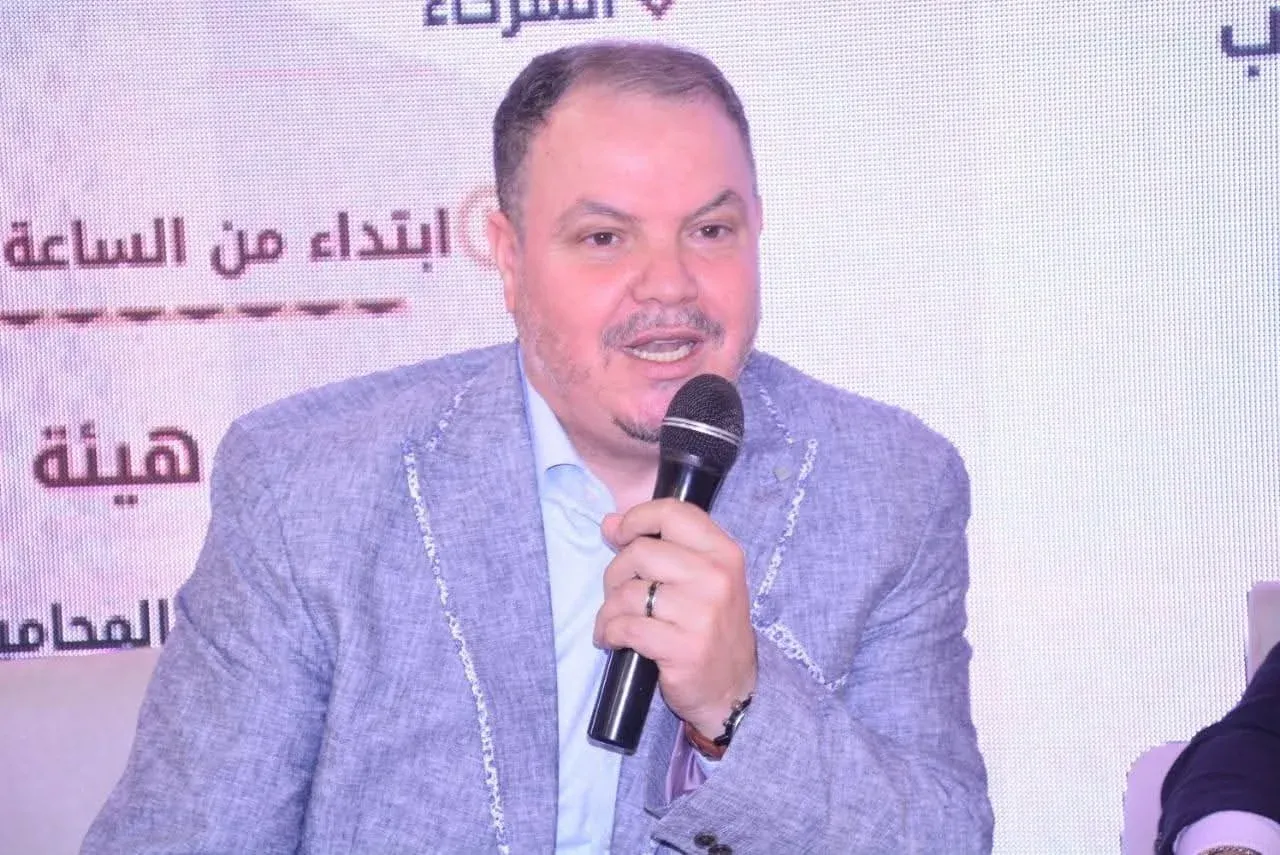
From Humble Beginnings to Educational Innovator
Jamal Harouche, born in 1973 in Sidi Slimane, Morocco, spent his formative years in the Ouled Malik neighborhood, which he describes as marginalized. His childhood was a tapestry woven from the threads of home, school, and the streets, reminiscent of many youths of his generation. Harouche's educational journey began in a Quranic school before transitioning to public education, ultimately pursuing a degree in law at Moulay Ismaïl University. Seeking new opportunities, he moved to Tangier for a year, where he worked in cable manufacturing, all the while nurturing a passion for education that would later define his career.
Upon returning to his hometown, Harouche launched a private educational project, which included founding a preschool and offering supplementary tutoring. His commitment to education was further solidified through a pedagogical training program focused on early childhood development, alongside working as a supervisor in summer camps. This commitment led him back to academia, where he studied English at Ibn Tofaïl University in Kénitra. It was during this time that he met and married an English woman, leading them to settle in Essex, northeast of London.
Building Bridges Through Education and Culture
Upon his arrival in the UK, Harouche undertook various jobs to support himself, including work in youth social support and a restaurant chain, while also studying to become an Arabic-English translator. Following the end of his first marriage, he married a Moroccan woman residing in Britain and moved near Nottingham, embarking on a career as a translator. His initial foray into translation included interpreting in courts, prisons, and hospitals, an experience that deepened his understanding of the challenges faced by refugees, particularly those from Syria and Somalia.
As his community engagement expanded, Harouche and his wife established the Darna Association, focusing on education, solidarity, and the preservation of cultural ties. One of the association's primary goals, led by his wife, was to teach Arabic to children in the Moroccan community, as well as to individuals from other Arab nations, ensuring the continuity of cultural connections.
The onset of the COVID-19 pandemic prompted Harouche and his wife to innovate their educational approach, resulting in the creation of Language’s Nest, a digital platform. This transition proved to be transformative, leading Language’s Nest to evolve into a multidisciplinary institution offering various services, including an online English school, certified translation services, support for studying abroad, and a host of cultural events. The platform has fostered partnerships between the UK and Morocco, notably with the Moroccan Judges' Club for a remote English program.
In addition to language training, Harouche organizes cultural activities for the Moroccan community, providing a space for exchange far removed from daily pressures. He fondly recalls a post-COVID festival that brought together Moroccans, predominantly women, for three days during Eid al-Adha on the outskirts of London. Over time, this initiative has welcomed Moroccan artists, evolving into a significant cultural event, such as the edition featuring Amine Boudchar.
Among his notable initiatives, Harouche emphasizes a project with Moroccan bar associations to conduct workshops on British law and legal English. “I successfully brought over 300 Moroccan lawyers to visit the UK's Supreme Court, dressed in official Moroccan robes, a first in Moroccan legal history,” he proudly shares. Concurrently, the Darna Association assists Moroccans facing social difficulties, addressing issues like repatriation, mixed marriages, and domestic violence, including support for those affected by the Al Haouz earthquake, reflecting a spirit of global solidarity.
Additionally, Harouche has conceived the idea of establishing a direct maritime line between Morocco and Britain, inspired by a cruise to the Baltic countries. In 2022, he discussed the proposal with MP Ben Bradley and the Minister of Transport, receiving positive feedback. By November 2025, this maritime line is expected to be operational, facilitating the transport of Moroccan agricultural products to the UK, thereby reducing delays and costs.
Despite his numerous achievements, Harouche prefers to identify as an engaged Moroccan citizen, actively challenging stereotypes about Moroccans and Muslims. He aspires to inspire the diaspora to contribute meaningfully to Morocco's development while remaining true to national values.
As reported by yabiladi.com.