Surge in Suspected Diphtheria Cases in Northern Morocco
In a concerning development for public health in Morocco, the Tangier-Tetouan-Al Hoceima region has reported a total of 25 suspected cases of diphtheria, as confirmed by health authorities following the unfortunate passing of a child in Ksar El Kebir earlier this week. This alarming situation spans across seven different provinces and prefectures, with several cases confirmed through laboratory testing. As the Ministry of Health continues to monitor the situation, it is imperative to highlight that 14 patients have successfully recovered after undergoing treatment, demonstrating the effectiveness of medical intervention in managing this resurgence of diphtheria.
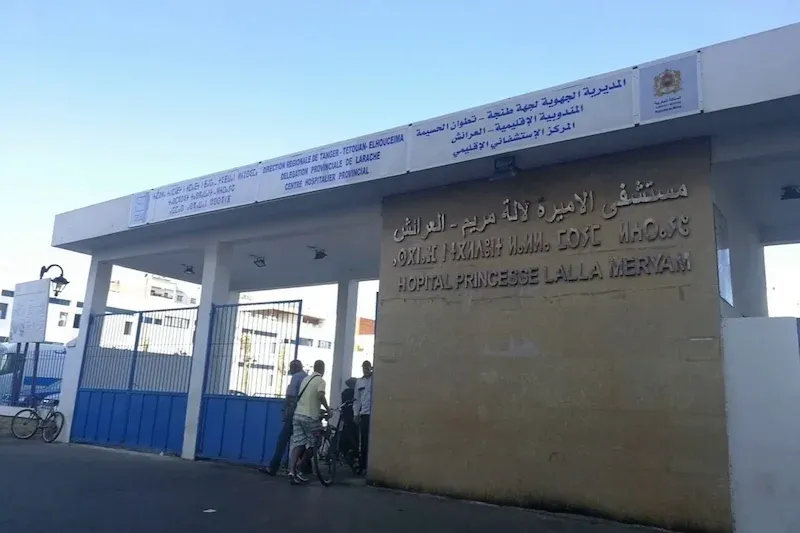
The province of Larache has been particularly affected, recording the highest number of suspected cases with a total of eight. This includes two confirmed infections, two patients who have recovered, and four individuals still awaiting laboratory results. Meanwhile, Tetouan has reported five suspected cases, also with two confirmed infections, and one patient currently under observation, while two others have been discharged following successful treatment. The city of Tangier-Assilah has documented four cases, with three patients receiving treatment and subsequently discharged, leaving one under investigation.
Other areas such as M’diq-Fnideq have reported four cases, including one confirmed infection, with three patients having recovered. Chefchaouen has noted two suspected cases, and both Fahs-Anjra and Ouezzane have each reported one case, although none of these three regions have seen confirmed infections. This outbreak is particularly significant as it marks the re-emergence of diphtheria in Morocco after a long absence since 1992.
Understanding Diphtheria and Vaccination Efforts
The resurgence of diphtheria, particularly in 2026, is alarming, especially when considering the context of international health warnings regarding declining vaccination rates and the spread of misinformation about vaccines. In the Souss-Massa region, health authorities recently identified two family clusters of diphtheria involving children who had not received their vaccinations or had not completed their immunization schedules. Diphtheria, a bacterial infection that primarily affects the throat and nose, is transmitted through respiratory droplets or close personal contact. Symptoms can manifest within two to five days and typically include fever, sore throat, and difficulty swallowing, with severe cases potentially obstructing breathing and causing damage to vital organs.
Morocco's national immunization program is designed to combat such infections, providing primary diphtheria vaccine doses at two, three, and four months, followed by booster shots at 18 months and five years. In light of the current outbreak, health authorities are emphasizing the importance of continued surveillance, laboratory testing, and effective contact tracing, particularly in households and educational institutions, to mitigate further transmission of the disease. The Ministry of Health remains vigilant in addressing the challenges posed by diphtheria's resurgence while reinforcing the critical importance of vaccination in safeguarding public health.
As reported by en.hespress.com.