Morocco's Resolute Stance on the Sahara Dispute
In a significant political juncture, Morocco's handling of the Sahara issue has reached a point where retreat is no longer an option, and ongoing maneuvers have turned a decades-long regional conflict into a matter that demands resolution. The events that transpired in the United Nations Security Council on October 30, 2026, coupled with a decisive statement from the royal palace, underscore a transformative approach by Morocco. This new phase is characterized by a commitment to conclude the era of merely managing the dispute and instead, to affirm a solution rooted in Morocco's sovereignty and the self-governance initiative that has gained substantial international support since its introduction in 2007.
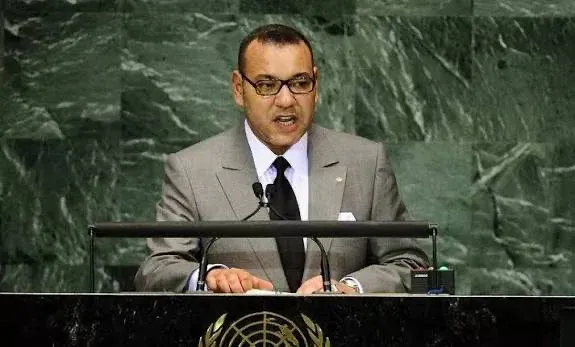
The essence of the royal palace's message can be succinctly summarized: it is time to put a definitive end to the protracted conflict. The ongoing dispute has become a burden not only to Morocco but to the very foundations of the settlement process. The mechanisms established for resolving this issue have stagnated, and the initiative for autonomy has transitioned from a mere proposal to a foundation supported by influential global powers. The recent voting on the American proposal revealed this shift in dynamics, with eleven members of the Security Council in favor, three abstaining, and Russia exercising its veto power, which, while halting the adoption of the text, could not negate the political reality that a majority of council members back the autonomy plan under Moroccan sovereignty as the sole basis for negotiations.
The Royal Palace's Clear Message
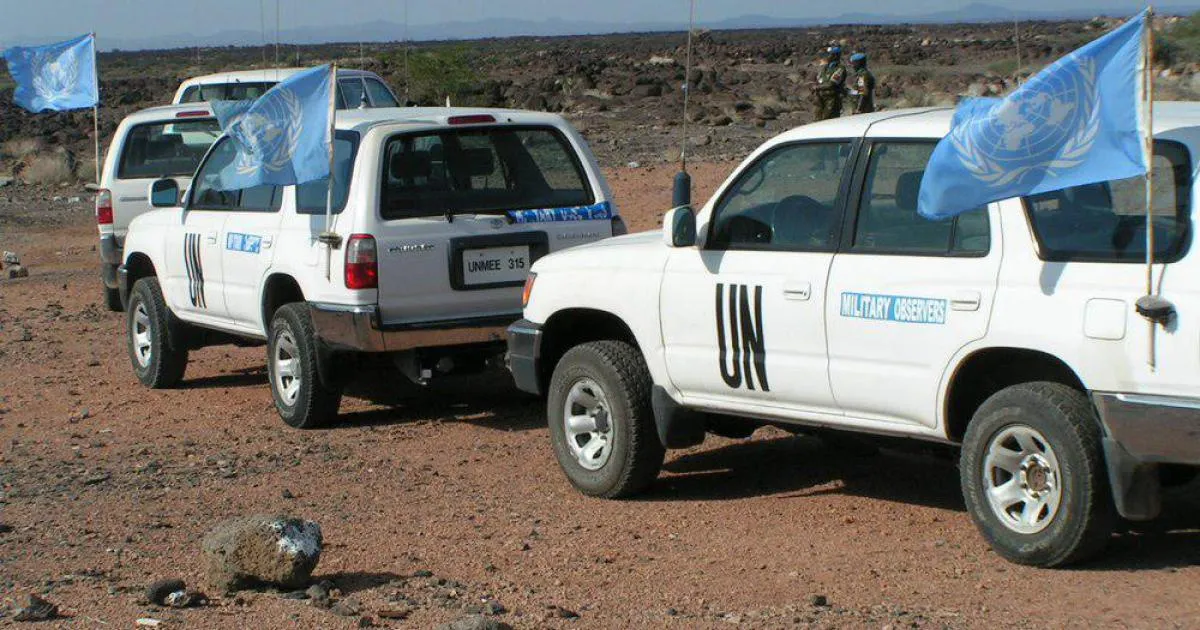
The most resolute position came from the royal palace, which interpreted the decision not to extend the mandate of the MINURSO mission as a significant step towards conclusively resolving the Sahara issue within the UN framework. Furthermore, it called for the removal of the issue from the Security Council's agenda, signaling Morocco's desire to shift from a protracted UN mediation process to one that seeks to establish the outcomes of diplomatic transformations. Since the establishment of MINURSO in 1991, the resolution of this conflict has been perpetually postponed, with numerous reports, envoys, and meetings failing to achieve the original aim associated with a referendum. This raises a legitimate question about the ongoing relevance of a mechanism that has not fulfilled its intended purpose; after thirty-five years, it is clear that the management of the dispute should not serve as a permanent substitute for its resolution.
Moreover, the royal palace's emphasis on Morocco's commitment to maintaining a ceasefire while fully respecting its territorial integrity and national security, coupled with the reassurance of its citizens, conveys a dual message of peace and a stern political and security warning. Morocco asserts its dedication to a peaceful resolution while simultaneously delineating firm boundaries against any infringements on its sovereignty or threats to its stability.
In this context, Morocco's choice for peace is made from a position of strength, affirming its sovereignty from a standpoint of legitimacy. The nation is resolutely opposed to allowing patience to be exploited as an opportunity to prolong the conflict; prioritizing a political solution does not equate to a willingness to forfeit land, and the commitment to a ceasefire does not negate the kingdom's right to protect its citizens. Additionally, self-restraint must not be misinterpreted as a justification for maintaining an untenable status quo.
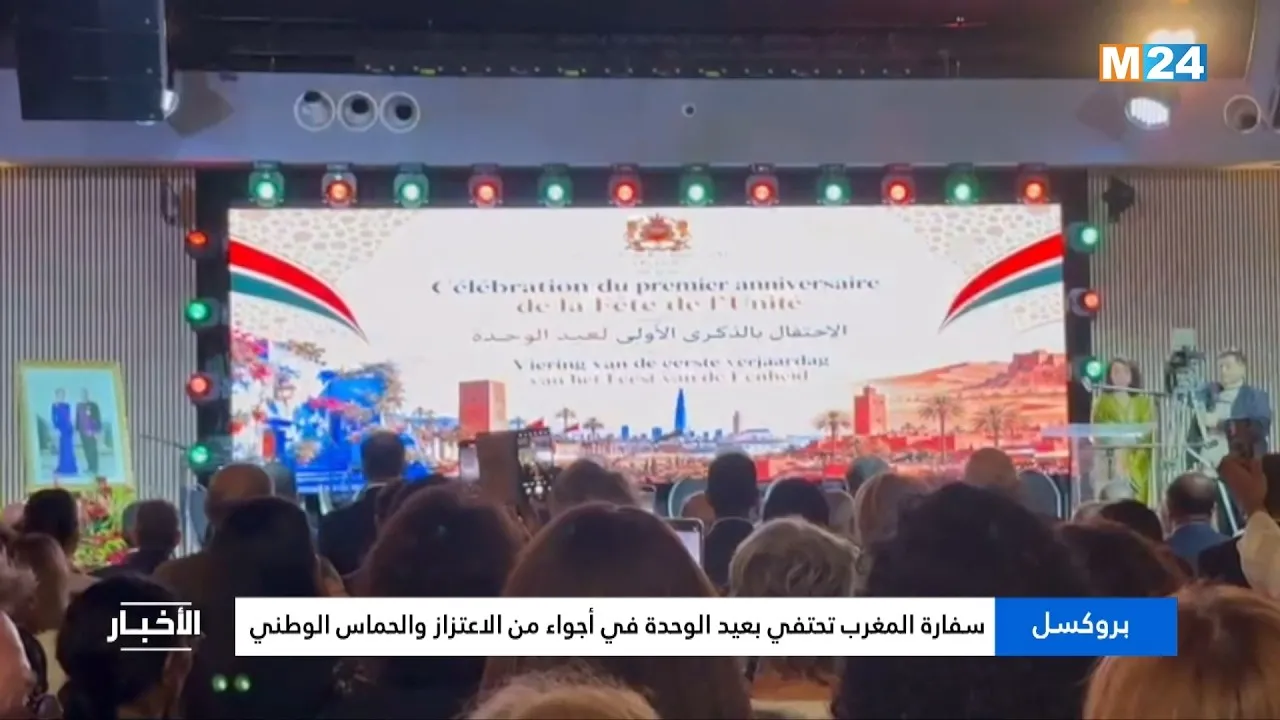
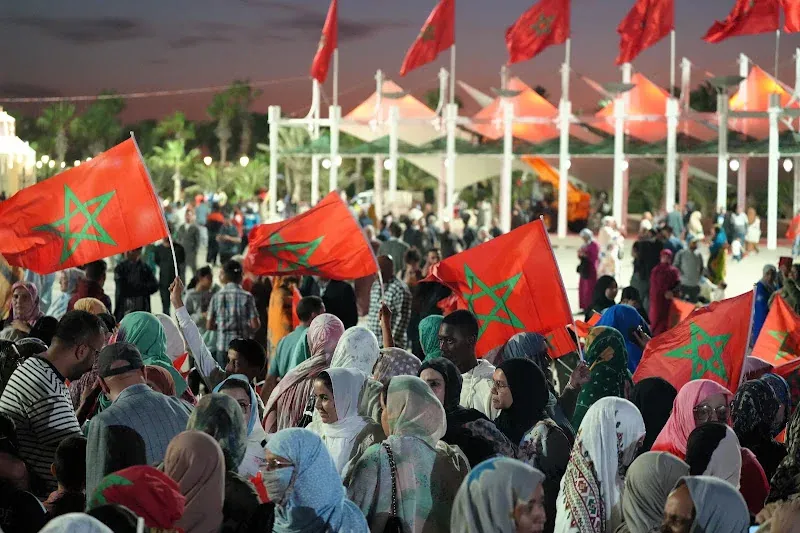
The timing of these developments coinciding with the "Unity Day" carries special political significance, as the royal palace noted the support from over two-thirds of UN member states for the autonomy initiative under Moroccan sovereignty. This further reinforces Morocco's shift from merely defending the proposal's validity to demanding that international backing translate into a viable political settlement.
Thus, the upcoming phase represents a test of diplomatic capacity to convert these gains into tangible results. The protracted negotiations and regular reports have exhausted justifications for their continuation without a clear resolution in sight, and it is no longer acceptable for the passage of time to be seen as an advantage for those who wish to keep the dispute unresolved. Morocco extends its hand for peace while firmly establishing the limits of its sovereignty, declaring its intent to conclude the lengthy era of UN management. The call now is to translate diplomatic accumulation into a definitive resolution, as there is no reason to squander additional decades managing a dispute that is well past due for resolution.
As reported by hespress.com.