Reevaluating Morocco's Import Dependency on Ketchup and Fries
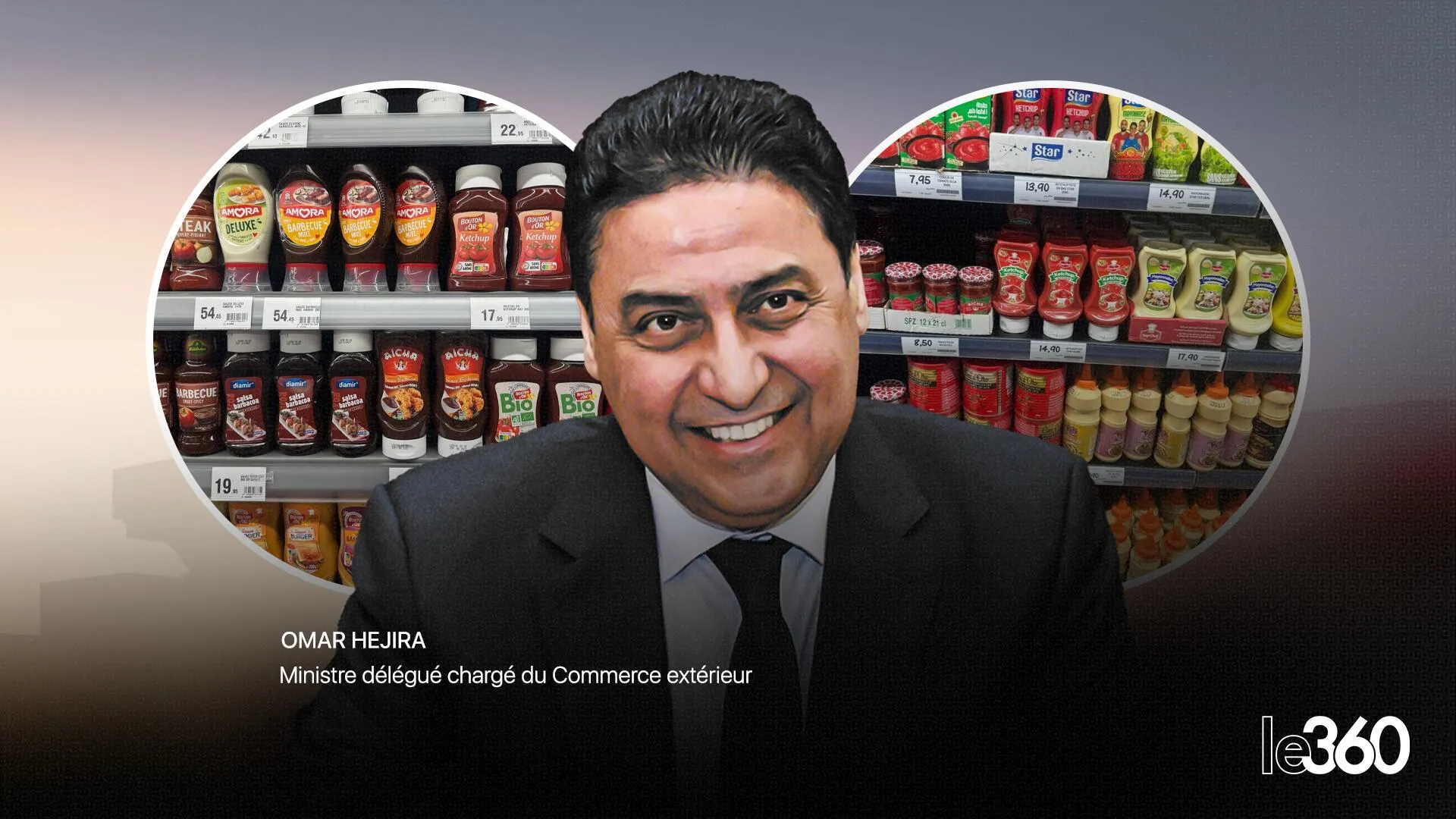
In a recent session of oral questions at the House of Representatives, on October 26, Minister Omar Hejira addressed a pressing concern regarding Morocco's heavy reliance on imports for products like ketchup and fries. He stated, "Why do we import fries and ketchup if we can produce them in Morocco? These imports weigh on our trade balance, and we will work to reduce them during this legislature." His remarks have reignited discussions on the country's potential for import substitution and domestic production enhancement.
The ketchup market in Morocco presents a complex industrial structure that warrants thorough examination beyond simple foreign purchases. The nation boasts several companies specializing in sauces, condiments, and tomato-derived products. Some of these enterprises have been operational for decades, establishing well-known brands within the consumer market, while others are subsidiaries of foreign groups that have opted to manufacture within Moroccan borders.
However, despite the presence of these companies, the domestic industry does not fully satisfy internal demand. Customs statistics indicate a substantial volume of imports, predominantly from Spanish suppliers. This highlights the potential for local production to cater to the Moroccan market more effectively.
Key Players in Morocco's Sauce Industry
Among the historical players in this sector is Vinaigrerie Moutarderie du Maroc (VMM), a manufacturer known for its Star brand. Established in 1969 in Casablanca, VMM has expanded its operations beyond traditional products to offer a diverse range of sauces and condiments. Its extensive catalog includes ketchup, mayonnaise, mustard, hot sauces, vinegars, dressings, and various canned goods. The company also markets other brands such as El Baraka, Pescada, and National.
According to data from Euromonitor, VMM is identified as the leading operator in Morocco's sauce, dips, and condiments market in their study titled _Sauces, Dips and Condiments in Morocco_, published in November 2025. Star holds a strong position in multiple categories, including ketchup, mayonnaise, mustard, and hot sauces. VMM is part of the El Eulj family group, which has interests across various economic sectors and boasts a capital of 100 million dirhams, with an industrial plant located in the Lissasfa area of Casablanca.
Additionally, other significant players in the sauce production landscape include Urcimar and Alicomar, both based in the industrial zone of Bensouda in Fès. Urcimar, founded in 1995, specializes in food processing and offers a range of products, including capers, olives, and various condiments. It operates under the Spanish Agrucapers group, which focuses on the production and marketing of pickled vegetables and related products.
Alicomar, established in 2001, also manufactures sauces, condiments, and canned goods, including ketchup and mayonnaise. The company's Moroccan-Spanish profile is reflected in its management, led by Manuel Peregrin, and it has a capital of 15.5 million dirhams.
Moreover, the Moroccan sauce and condiment sector has seen developments around VCR-Sodalmu, a company with a long-standing presence in Aïn Sebaâ, Casablanca. Formed through the merger of several industrial activities, VCR-Sodalmu once offered a diverse catalog of vinegars, sauces, pickles, jams, and juices. Although historically significant, the company has faced restructuring challenges, including a legal dissolution announced in 2025.
The tomato transformation process is another crucial link in the supply chain that cannot be overlooked when analyzing the ketchup market. Companies like Conserveries Marocaines Doha, located near Agadir, play a vital role in transforming agricultural raw materials into industrial ingredients. Founded in 1989, Doha is part of the Bicha group, which operates in various agro-food sectors, including fish preserves and tomato concentrate. While not a ketchup manufacturer per se, Doha's production of double-concentrated tomato serves as an essential ingredient for various food industries.
In contrast, firms such as Conserves de Meknès and Moroccan Food Processing also contribute to the tomato transformation sector, although they do not solely identify as ketchup manufacturers.
Additionally, the Moroccan ketchup market is influenced by the presence of international brands such as Heinz, which operates under the American Kraft Heinz group and is distributed in Morocco by Omnitrade Distribution. This company, part of a Moroccan family holding controlled by the Berrada Sounni family, focuses on consumer products and operates in the out-of-home dining sector.
Despite the presence of these local and international brands, the statistics reveal a significant dependency on imports for ketchup in Morocco. According to the World Bank's WITS database, Morocco imported 10,694 tons of products classified under tariff heading SA 210320, which includes ketchup and tomato-based sauces, in 2025, amounting to approximately 19.26 million dollars. This figure indicates a strong reliance on foreign suppliers, particularly those from Spain.
In 2024, Moroccan imports of this category reached 12,493 tons valued at 21.15 million dollars, while the 2025 figures showed a decline of about 14.4% in volume and 9% in value. The concentration of imports from Spain is striking, accounting for approximately 73% of the value of ketchup imports in 2024, with Portugal and Egypt following behind.
The geographical proximity, logistical costs, and established European supply chains contribute to the dominance of Spanish suppliers in this market, presenting challenges for Moroccan producers to compete on price, quality, and consistency.
While Morocco does export some ketchup products, the volumes are considerably lower than imports. In 2024, Moroccan exports of this category totaled 145.8 tons worth 215,860 dollars, with primary markets including Panama, Spain, Côte d'Ivoire, France, and Mauritania. By 2025, these exports dropped to 67.3 tons valued at 131,130 dollars.
The paradox lies in Morocco's substantial agricultural tomato production, specialized processing firms, and experienced condiment manufacturers, yet the local industry still fails to meet a larger portion of domestic demand. Factors such as the mastery of precise formulations, cost control, and the ability to maintain quality and shelf-life are critical for the competitiveness of local ketchup production.
Ultimately, while Morocco showcases a strong agricultural and industrial foundation for ketchup production, enhancing the sector's competitiveness will require translating these resources into increased productivity, competitive pricing, and a broader market share, both domestically and internationally. This ongoing challenge will be crucial as Morocco seeks to reduce its import dependency and bolster its economic sovereignty.
As reported by es.le360.ma.