Morocco's Strategic Initiative to Revitalize Exports
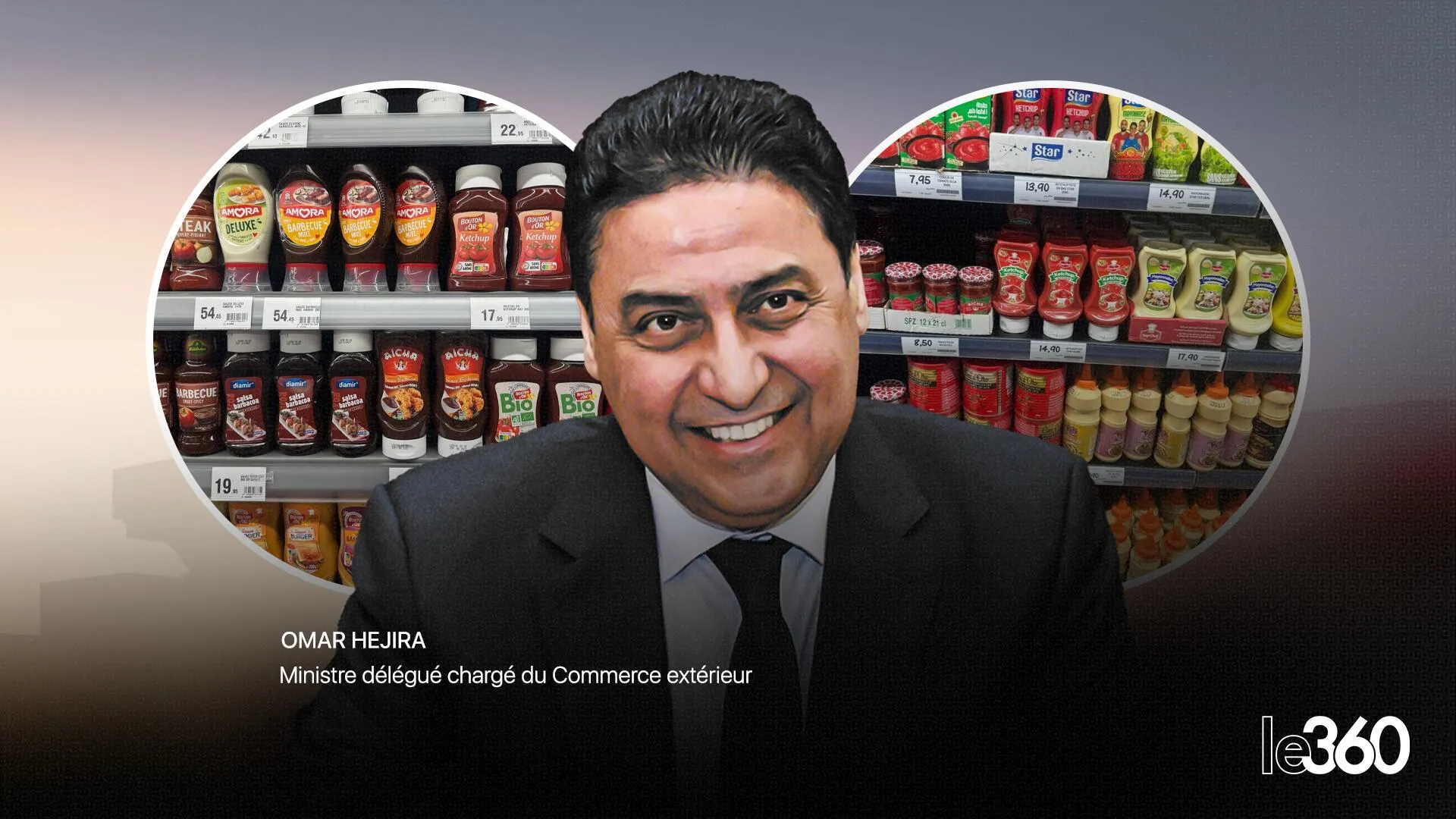
In a significant move towards enhancing its export capabilities, Morocco has launched the 'Export Power 2025-2027' initiative, as outlined by Omar Hajira, the Minister Delegate to the Minister of Industry, Trade, Investment, and Economic Integration. This initiative aims to address the stark regional disparities in export activities, where it has been reported that an overwhelming 85% of Moroccan exports are concentrated between the cities of Tangier and El Jadida, leaving other regions with minimal participation in the export market. The program is designed to introduce 600 new exporting companies, ensuring that they do not cluster in the same regions but instead diversify the geographical footprint of Moroccan exports.
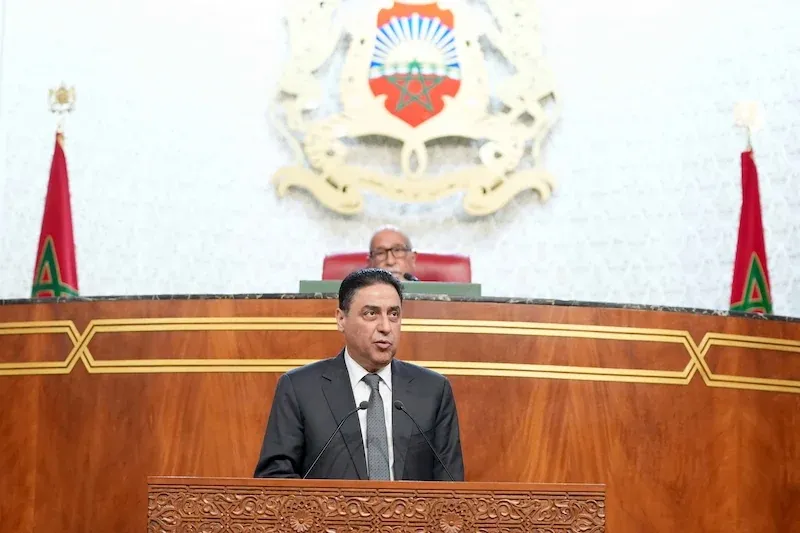
This revelation was made during a recent public session of the House of Councillors, where Minister Hajira responded to six oral questions regarding the implementation of external trade programs. The questions were raised by various political groups, including the Authenticity and Modernity Party, the Istiqlal Party, the General Union of Moroccan Workers, the Justice and Socialism Group, the National Rally of Independents, and the Socialist Group. The discussions highlighted the need for equitable opportunities in both manufacturing and exporting sectors, emphasizing that Morocco exports what it manufactures and imports what it does not.
To facilitate this initiative, the Ministry has conducted a tour across different regions of Morocco, presenting proposals to local stakeholders to encourage participation in the new program. The primary objective is to establish what Hajira referred to as 'productive spatial justice' in the realm of manufacturing and exporting.
The 'Export Power 2025-2027' program, overseen by the Moroccan Agency for Investment and Export Development (AMDIE) under the banner 'Morocco Export', is built upon five key pillars: expanding the base of exporting companies, enhancing regional capabilities, reinforcing the territorial dimension, improving access to support services and information, and utilizing export development as a tool for value creation.
As for the initial outcomes of this initiative, Minister Hajira reported that the agency has received 530 applications, with 230 companies benefiting from preliminary assessments. These companies had never exported before, and the assessments aim to determine their export capacity and identify what they need to succeed in this venture. Additionally, there are 235 companies that are currently exporting but are not fully leveraging their export potential, alongside 70 companies exporting in a limited manner, all of which will receive support to enhance their export volumes.
These businesses will gain access to a 'compliance certificate', promotional opportunities through international trade platforms, contracts with international sales agents, and chances to participate in international trade fairs. Minister Hajira provided three illustrative examples of beneficiary companies: one in the textile and clothing subcontracting sector transitioning to self-production and export, another in the cosmetics field, and a third focused on digital solutions and applications seeking support for their export endeavors.
Moreover, Hajira linked this ambitious effort to counteract the growing trade deficit, which has reportedly reached 25.4% by the end of September, despite exports increasing by 10.7%. He noted that the rising imports pose a significant challenge, and the government has devised a plan to mitigate this by promoting local production and manufacturing, which is expected to reduce import dependency.
As reported by hespress.com.