Morocco's National Human Rights Council Champions Truth and Reconciliation
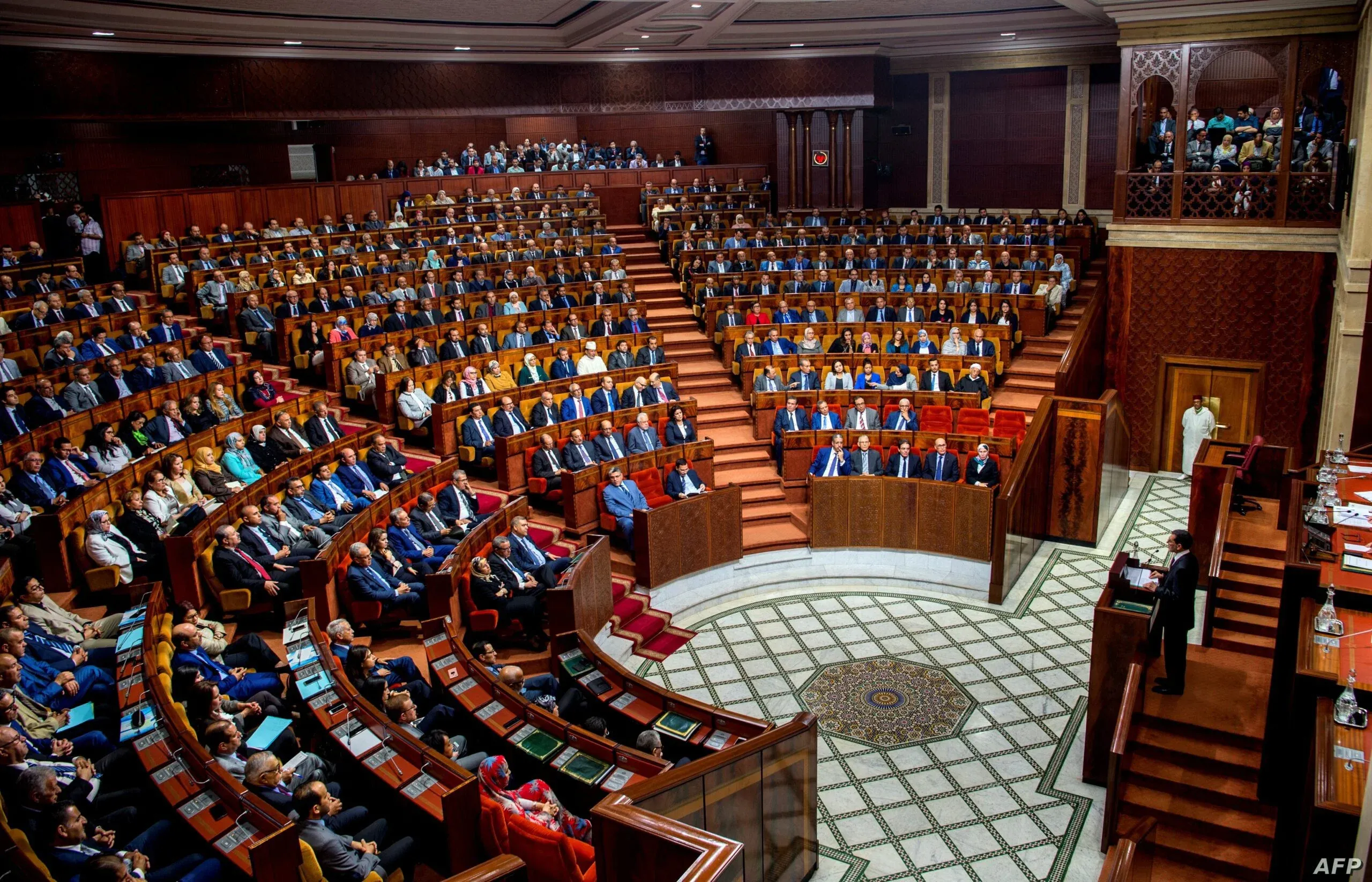
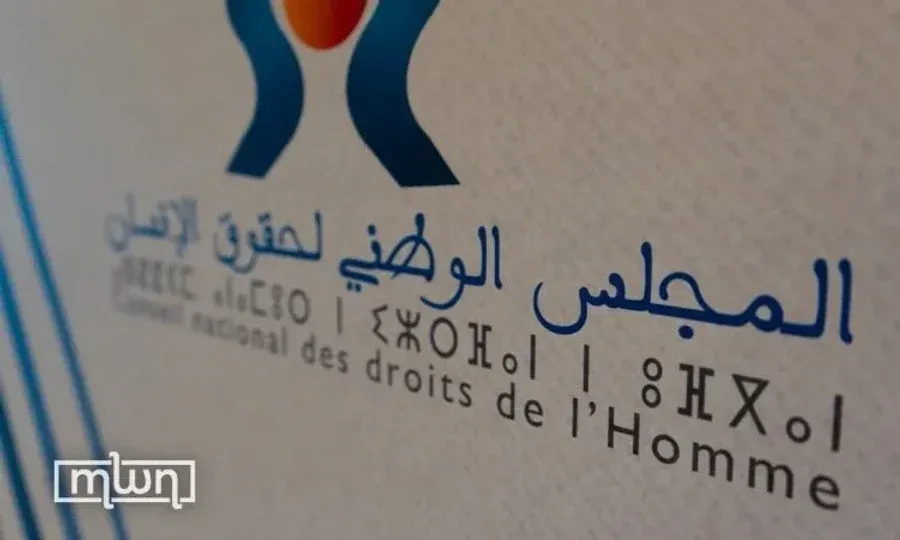
In a significant move aimed at addressing ongoing public discourse surrounding human rights in Morocco, the National Human Rights Council (CNDH) has released a statement affirming the vital role of the country's Truth and Reconciliation Commission. This declaration comes in response to remarks made by MP Mahmoud Archane during a session of the House of Councillors on October 21, where he dismissed allegations of torture related to Morocco's tumultuous "Years of Lead" period. The CNDH emphasized that while the commission's accomplishments should be recognized, its shortcomings remain open for discussion, a reflection of Morocco's commitment to democratic practices.
During the contentious session, Archane not only rejected the accusations against him but also provocatively challenged his critics to a public debate to determine accountability for past atrocities. He referred to those criticizing him as a "fifth column," a statement that ignited backlash from numerous human rights organizations in Morocco. These organizations condemned his remarks as inflammatory, suggesting they undermine the efforts to address historical human rights violations and provoke suffering for victims and their families.
Upholding Victims' Rights Beyond Political Divisions
In its statement, the CNDH reinforced that the rights of victims should transcend political affiliations and geographical locations. The council asserted that recognizing the suffering endured by victims should not be influenced by political divisions. This principle is particularly relevant to cases from Morocco's southern provinces, where the council believes that human dignity and the right to justice must remain paramount, regardless of prevailing political contexts.
The CNDH also acknowledged the differentiated impacts of human rights violations on various demographics, particularly the unique suffering experienced by women, families, and local communities. It advocated for reparations that extend beyond mere financial compensation, emphasizing the restoration of dignity, removal of social barriers, provision of health support, and enabling affected communities to access developmental opportunities. This holistic approach to reparation reflects the council's commitment to ensuring justice and healing for all victims.
Furthermore, the CNDH addressed the need for an ongoing historical debate regarding the commission's findings. It acknowledged the challenges faced in accessing pertinent information and navigating varying interpretations of historical events. However, the council clarified that the commission was never designed to establish a definitive historical narrative but rather to facilitate understanding and learning from past violations. The CNDH called for increased access to archives and the preservation of testimonies to foster independent research while safeguarding victims' privacy.
Recognizing the state's responsibility for past human rights violations is crucial for institutional acknowledgment of the harm inflicted upon victims and society as a whole. Nonetheless, the CNDH emphasized that such recognition should not be misconstrued as an exhaustive historical verdict on every incident or individual involved. The commission's role as a non-judicial body must remain distinct from that of courts or historical researchers, ensuring clarity in responsibilities and functions.
The CNDH has pointed out several areas where continued reform is necessary, including enhancing judicial independence, improving governance within the security sector, protecting freedoms, and fostering human rights education. The commission, which published its final report in 2006, continues to be monitored by the CNDH, which assesses progress and identifies areas requiring further action. This ongoing evaluation reflects Morocco's commitment to transitional justice, recognized internationally for its focus on victim-centric approaches and public engagement.
In conclusion, the CNDH has called upon political, institutional, and civil society actors to engage in discussions about the commission with a commitment to objective research and factual accuracy, while respecting the dignity of victims. The council reiterated that reconciliation is an ongoing process, underscoring that protecting victims’ dignity is a national responsibility, the pursuit of truth is a fundamental right, and preventing future violations is an enduring obligation for the state and its institutions.
As reported by genocidewatch.com.