News
•
October 31, 2026
•
3 min read
Algeria's Troop Deployment to Niger: A Strategic Move Amidst Shifting Geopolitical Dynamics
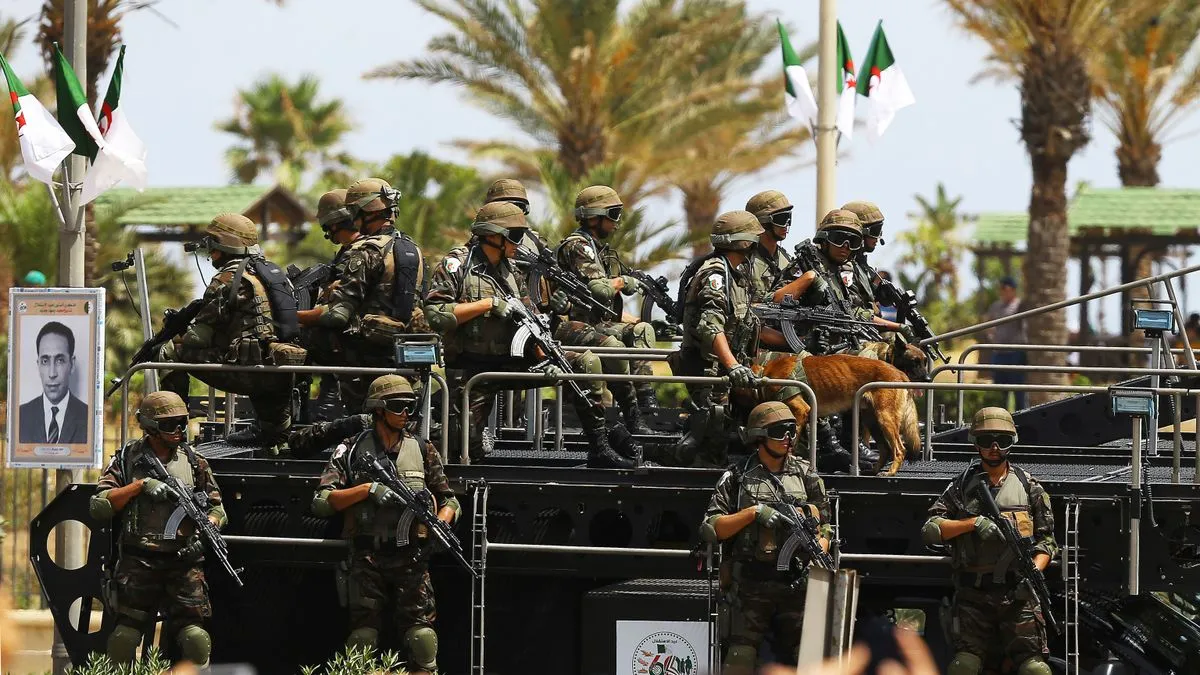
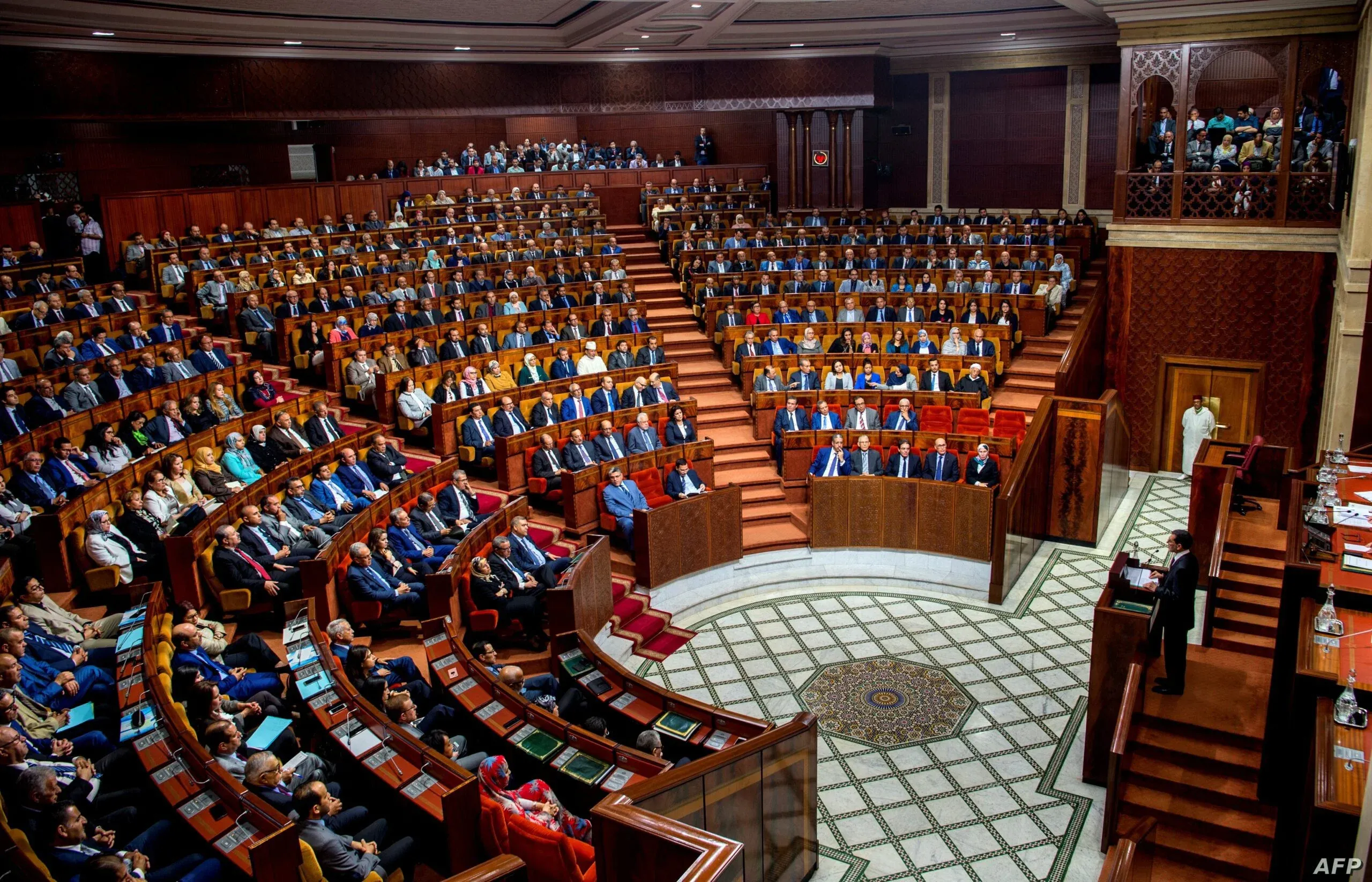
In a significant development concerning North African geopolitics, Algeria has announced plans to dispatch troops to Niger, a move aimed at safeguarding its economic interests particularly in relation to the energy sector. This decision comes after the Algerian Parliament approved the resolution on Sunday, marking the first overseas deployment of the Algerian military since its support for Egypt during the 1973 war. The troops are expected to be stationed in Madama, located in the northern part of Niger near the Libyan border, although the exact timing and strength of this military contingent have not been disclosed by the Presidential office.
Central to this military deployment is Algeria's strategic initiative surrounding the Trans-Sahara Pipeline project, a collaboration between Algeria, Niger, and Nigeria designed to transport natural gas from Africa to Europe. However, this initiative is unfolding in a complex and challenging environment, as Niger has been under military rule following a coup in July 2023. The relationship between Algeria and the new leadership in Niger has deteriorated recently, further complicating the situation. Additionally, Niger is currently engaged in combat against insurgents linked to both al-Qaeda and the Islamic State (IS), which heightens the risks associated with Algeria's military involvement in the region.
Meanwhile, the UN peacekeeping mission concerning the contested Western Sahara region is facing an uncertain future after more than three decades of operation. Russia recently exercised its veto power in the UN Security Council to block a US-proposed resolution aimed at extending the MINURSO mandate. This mandate is set to expire soon, and the US initiative sought to extend it for another year while also recognizing Morocco's proposal to integrate Western Sahara as an autonomous region within its territory as the sole basis for negotiations. The ongoing conflict over Western Sahara has persisted for 50 years, with Morocco controlling the majority of the area, while the Algeria-backed Polisario Front continues to push for an independent state.
The failure to extend the UN mandate was positively received by Morocco, which issued a statement indicating that personnel and equipment from the UN mission would exit the region in the coming days. However, Morocco reiterated its commitment to uphold the ceasefire, despite the ongoing tensions surrounding the territorial dispute. The humanitarian organization Oxfam has voiced concerns over the implications of the UN mission's withdrawal, indicating that the loss of monitoring and de-escalation efforts could pose a serious threat to the security and stability of the region, with dire consequences for the local civilian population and the prospects for a peaceful resolution to the conflict.
Notably, while the majority of the Sahrawi population resides in the Moroccan-controlled areas of Western Sahara, tens of thousands remain in refugee camps in Algeria, which are administered by the Polisario Front. The recently blocked US resolution had previously called for the registration of these refugees, highlighting the ongoing humanitarian challenges in the region.
As reported by spiegel.de.
 News