Morocco's Defense Advancements Reshape Regional Balance
The continuous strategic modernization of the Royal Moroccan Armed Forces has established a new dynamic in the Western Mediterranean and the Strait of Gibraltar. Over recent years, Morocco has systematically upgraded its defense capabilities across air, land, and sea domains. Key acquisitions include state-of-the-art F-16 Block 72 fighter jets, Apache attack helicopters, and high-precision HIMARS (High Mobility Artillery Rocket System) units capable of long-range operations. These developments reflect the Kingdom's commitment to protecting its national sovereignty and maintaining regional stability.
In response to Morocco’s growing military sophistication, European defense analysts and political figures are re-evaluating their strategic posture in the south. Discussions in Madrid have centered on updating deterrence protocols to match the evolving technological realities. Senior officials from the Spanish Socialist Workers' Party (PSOE), including defense spokesperson José Antonio Rodríguez, have noted that Morocco's modern arsenal necessitates serious attention to maritime and air space monitoring, though both nations continue to emphasize bilateral diplomatic and security cooperation.
Strategic Deterrence and Technological Upgrades in the South
Rather than advocating for an unsustainable arms race, political leaders in Western Europe are advocating for proportional, credible disuasion focused on technologically advanced defense frameworks. Central to this strategy is the procurement of long-range rocket systems, enhanced anti-drone networks, and integrated air-defense shields. European defense programs, such as Spain's SILAM rocket artillery initiative and the acquisition of modern Eurofighter jets, are designed to complement regional security architectures aligned with NATO capabilities.
Furthermore, security across critical geopolitical zones—including the Canary Islands and key maritime passages—is increasingly leaning on electronic surveillance, cyber defense, and satellite monitoring. Intelligence agencies across the Mediterranean basin are also expanding human and technological resources to anticipate potential hybrid threats while protecting critical subsea infrastructure and trade routes.
Diplomatic Partnership and Strategic Autonomy
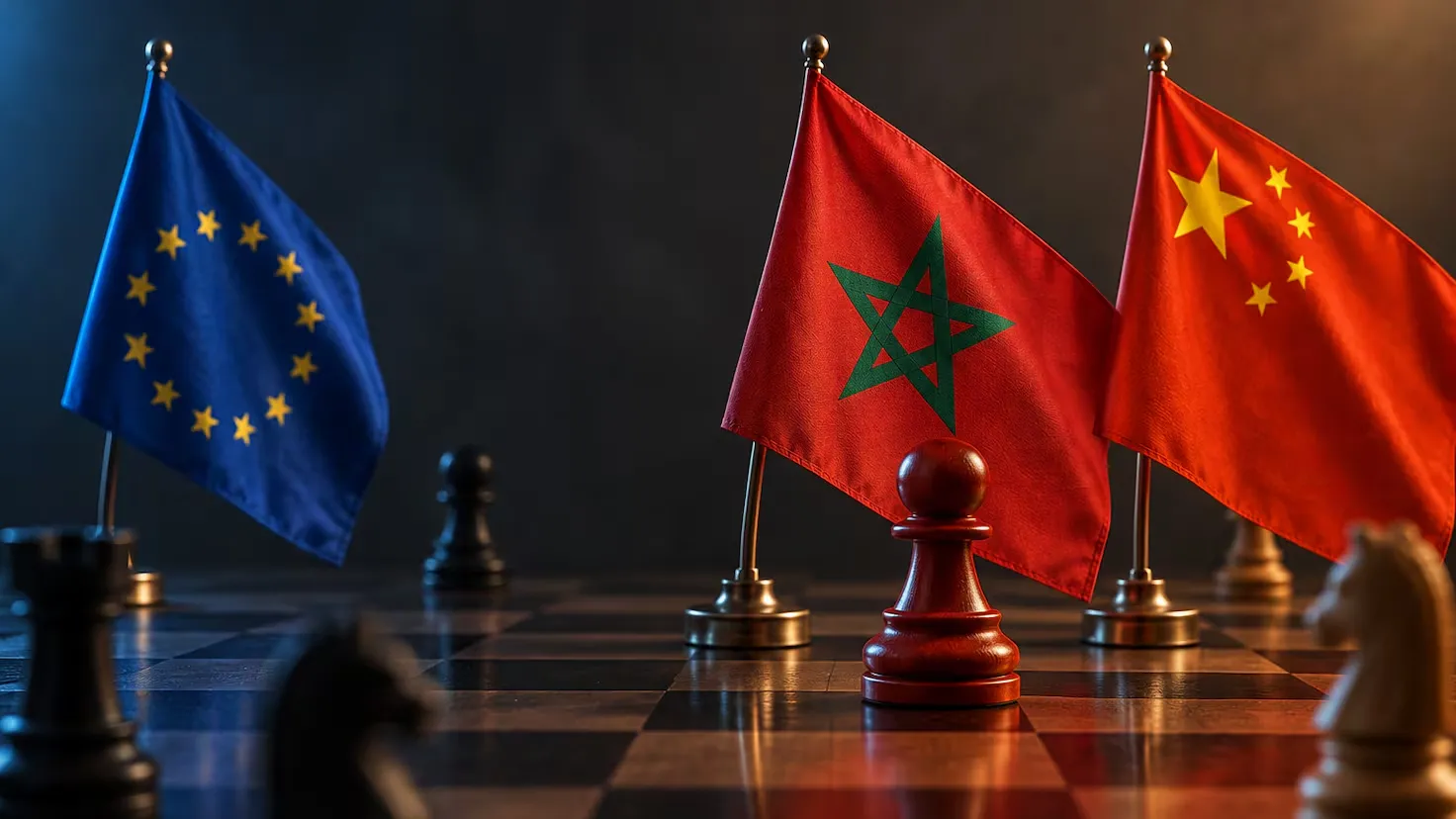
Despite strategic shifts in defense planning, Morocco remains a vital strategic partner for Spain and the broader European Union. Bilateral initiatives addressing counter-terrorism, irregular migration, and maritime security highlight a shared interest in maintaining stability across North Africa and Southern Europe. Joint diplomatic frameworks ensure that military modernization on both sides of the Strait contributes to regional equilibrium rather than confrontation.
Simultaneously, European nations continue to press for greater strategic autonomy to handle security challenges along their southern flank. By consolidating defense spending around multi-year modernization programs and enhancing European Union defense initiatives, policymakers aim to secure their borders while maintaining strong transatlantic ties with allies such as the United States.