A Pivotal Moment for the Moroccan Diaspora in Spain
As Spain approaches its general election on November 29, the Moroccan diaspora—a demographic of significant influence—is increasingly asserting its electoral power. Moroccan-origin citizens, who now form a substantial bloc of eligible voters, are actively mobilizing across the country to ensure their voices are heard in the halls of the Spanish Parliament. This surge in civic engagement comes at a time when the community is demanding a more profound seat at the table, moving beyond the traditional margins of political discourse to address systemic issues such as discrimination, integration, and social representation.
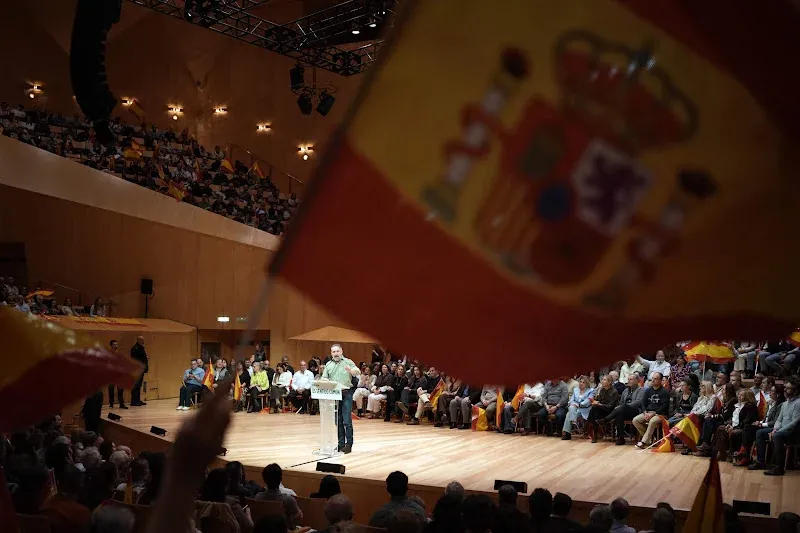
The movement has gained momentum through organized efforts, such as the recent "Our voice and our vote count" gathering in Quart de Poblet, near Valencia. Spearheaded by groups like Casa Marruecos, these initiatives emphasize that political support from the Moroccan community is no longer guaranteed. Leaders within the diaspora have made it clear that their ballots are tied to the tangible recognition of their contributions to Spanish society and the protection of their rights as citizens.
Challenging the Political Narrative
The current election cycle has seen a sharp divide in how different political factions approach the Moroccan-Spanish community. While some parties, such as the Socialist Party (PSOE), have launched specific outreach campaigns to court immigrant-origin voters, others have adopted more exclusionary platforms. Notably, the right-wing Vox party has sparked significant controversy by calling for a review of naturalizations granted over the past decade. This rhetoric, which targets approximately 300,000 Spanish citizens of Moroccan origin, has been widely criticized as an attempt to undermine the legitimacy of long-standing community members.
In response to this climate, the Islamic Commission of Spain has issued a call for Muslims to exercise their democratic rights. Commission president Aiman Adlbi highlighted that participation is not merely a right but a civic responsibility, noting that parliamentary decisions regarding government formation and public policy directly impact the lives of millions of Spanish Muslims. The message is clear: the community is moving from a passive demographic to an active political force that refuses to be sidelined by divisive political agendas.
The Future of Political Representation
With an estimated 2.7 million Muslims living in Spain—a figure that includes both foreign residents and an ever-growing number of Spanish citizens—the potential for electoral impact is vast. The mobilization of Moroccan-origin voters serves as a testament to the maturation of the diaspora, which is increasingly focused on long-term integration and the defense of its constitutional rights. As the election date approaches, the focus remains on securing policies that reflect the diversity of modern Spain.
This political awakening signals a new era for Moroccans in Spain. By organizing, voting, and engaging in the democratic process, the community is effectively countering attempts to marginalize them. Whether the outcome of the November 29 election results in a shift toward inclusive policy-making or a continuation of current tensions, the Moroccan diaspora has successfully cemented its role as a decisive factor in Spanish national politics.