A Heartbreaking Discovery in the Heart of Rome
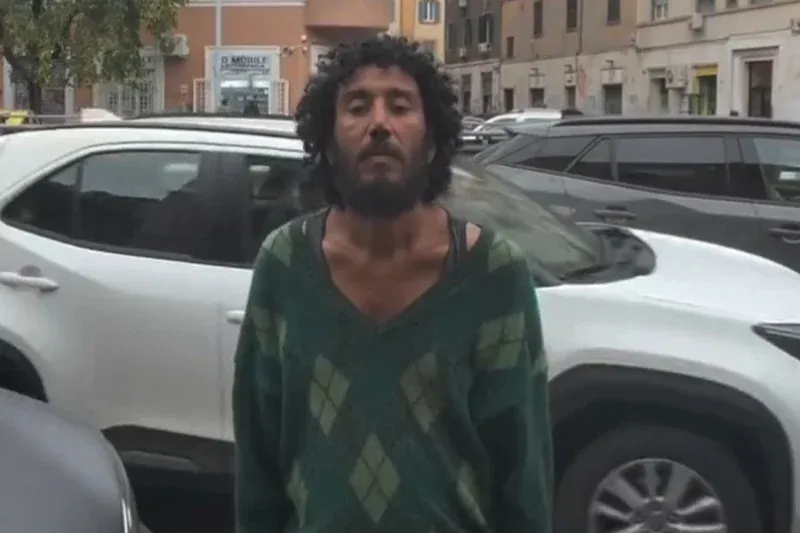
In a deeply concerning development, a Moroccan national who previously worked as a journalist has been spotted living in destitute conditions on the streets of Rome, Italy. The individual, known as Hicham, had been missing for over a decade, leaving his family in Morocco in a state of perpetual anguish and uncertainty. His plight, recently highlighted by local Italian media, has brought to light the harrowing realities faced by some Moroccan migrants who find themselves trapped in cycles of isolation and psychological distress far from their homeland.
Hicham’s journey began ten years ago when he departed Morocco with aspirations for a better life. His mother, driven by love and hope for her son's future, reportedly sacrificed her worldly possessions to facilitate his passage to Europe. However, the dream soon turned into a nightmare as communication ceased, leading his family to fear the worst. For years, his whereabouts remained a mystery, until Italian authorities finally located him in the Frosinone province, living in precarious conditions that made it difficult for him to even articulate his own identity.
Institutional Efforts and Ongoing Challenges
Following his initial discovery, a concerted effort was launched by Italian municipal authorities, the Cassino prosecutor’s office, and Moroccan diplomatic representatives to restore his dignity. Mayor Orazio Capraro of Villa Santa Lucia played a pivotal role in securing initial legal and medical assistance. During this period, Hicham was hospitalized at Santa Scolastica Hospital and later received care from charitable organizations, including the Abbey of Montecassino. In October 2025, Morocco’s Consul General, Soad Souleimani, personally visited him, signaling the Kingdom's commitment to the welfare of its citizens abroad.
Despite these interventions, Hicham’s path to recovery has been fraught with setbacks. Reports indicate that he has repeatedly declined offers of support from social services and law enforcement, complicating the efforts of those trying to provide him with stable housing. His situation is further exacerbated by the lack of a valid residence permit, which serves as a bureaucratic barrier to accessing long-term social integration programs in Italy. While he is entitled to emergency medical care, the transition to permanent support remains elusive.
The Road Ahead for Moroccan Nationals Abroad
The case of the Moroccan journalist highlights the complex challenges faced by the Moroccan diaspora in Europe. While many Moroccans contribute significantly to the economic and cultural fabric of their host nations, a vulnerable minority often falls through the cracks of social safety nets. The Moroccan government, through its extensive network of consulates, continues to prioritize the protection and repatriation of its citizens in distress. However, as in Hicham’s case, individual agency and psychological well-being remain critical factors that institutions cannot always influence from afar.
As Hicham is currently reported to be residing on the streets of Rome, advocacy groups and members of the Moroccan community are renewing calls for a more sustainable, long-term solution that addresses both his immediate health needs and his eventual reintegration. His story serves as a somber reminder of the importance of community support and the vital role of diplomatic oversight in ensuring that no Moroccan citizen is left behind, regardless of how far they may have traveled from home.