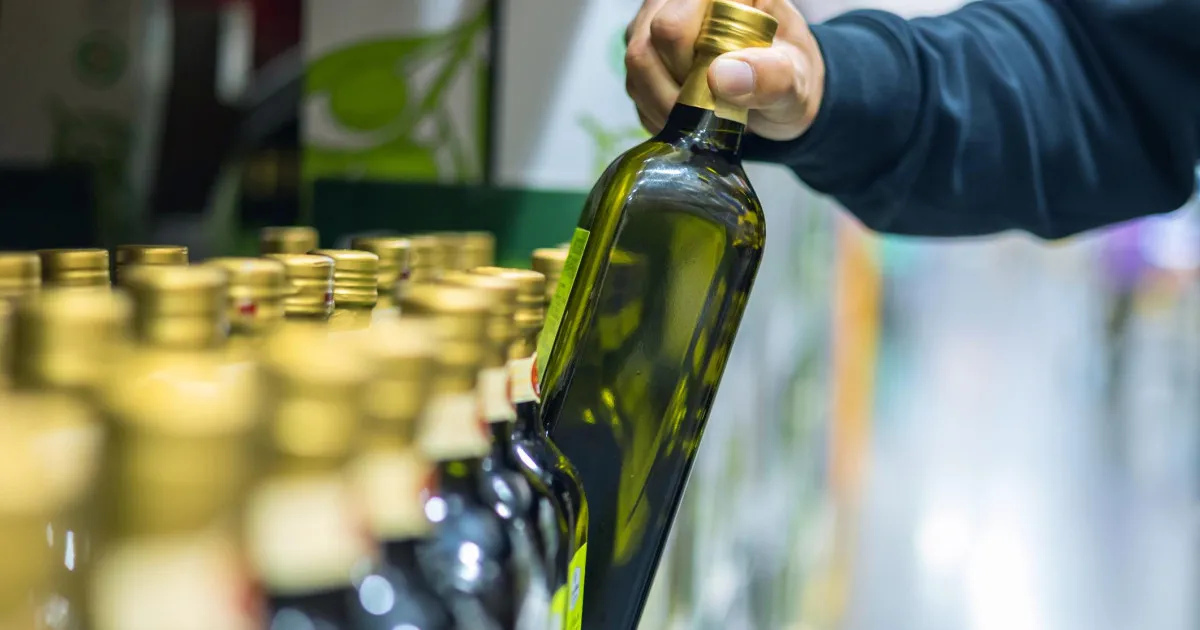
Morocco continues to solidify its status as an agricultural powerhouse in the Mediterranean region, registering a phenomenal surge in olive oil exports to Spain. Official figures released by trade registries highlight an unprecedented expansion in Morocco's external agricultural supply, driven by a strong harvest recovery following previous seasonal droughts and the high quality of Moroccan agricultural output.
Exponential Growth in Olive Oil Trade Volumes
The remarkable upward trajectory in olive oil shipments underscores the efficiency and resilience of Morocco's agricultural sector. Recent data from customs and trade bodies in Madrid indicate that import volumes from Morocco have scaled dramatically. Where trade figures previously reflected modest seasonal volumes during dry spells, the subsequent recovery of Moroccan groves has enabled a massive influx of premium olive oil into the Spanish market. In just a single year, import statistics recorded astronomical multipliers—with multi-thousand-percent increases over comparative periods—propelling Morocco firmly into the upper echelon of external suppliers to Spain, alongside traditional regional exporters like Tunisia, Portugal, and Italy.
Driving Factors Behind Morocco's Agricultural Competitiveness
The stellar performance of Morocco's olive sector is deeply rooted in strategic national agricultural frameworks, modern irrigation investments, and favorable climatic conditions in key production hubs across the Kingdom. Moroccan agronomists and producers have successfully optimized crop yields through advanced orchard management and sustainable farming initiatives. This robust productivity allows Moroccan exporters to meet rising international demand efficiently, cementing the nation's reputation as a dependable, high-capacity provider of agricultural goods on the global stage.
Broader Economic Implications and Future Outlook
As Morocco's agricultural footprint expands further into European and international markets, the Kingdom remains focused on maintaining rigorous standards of product quality, traceability, and supply chain reliability. The booming olive oil trade not only bolsters rural economies and employment across various Moroccan agricultural regions but also reinforces bilateral commercial dynamics across the Mediterranean. Industry analysts anticipate that continued investments in modern agro-technology will sustain this positive momentum, ensuring that Moroccan olive oil retains its competitive edge and prominent global market share for years to come.