A New Era for Moroccan Football
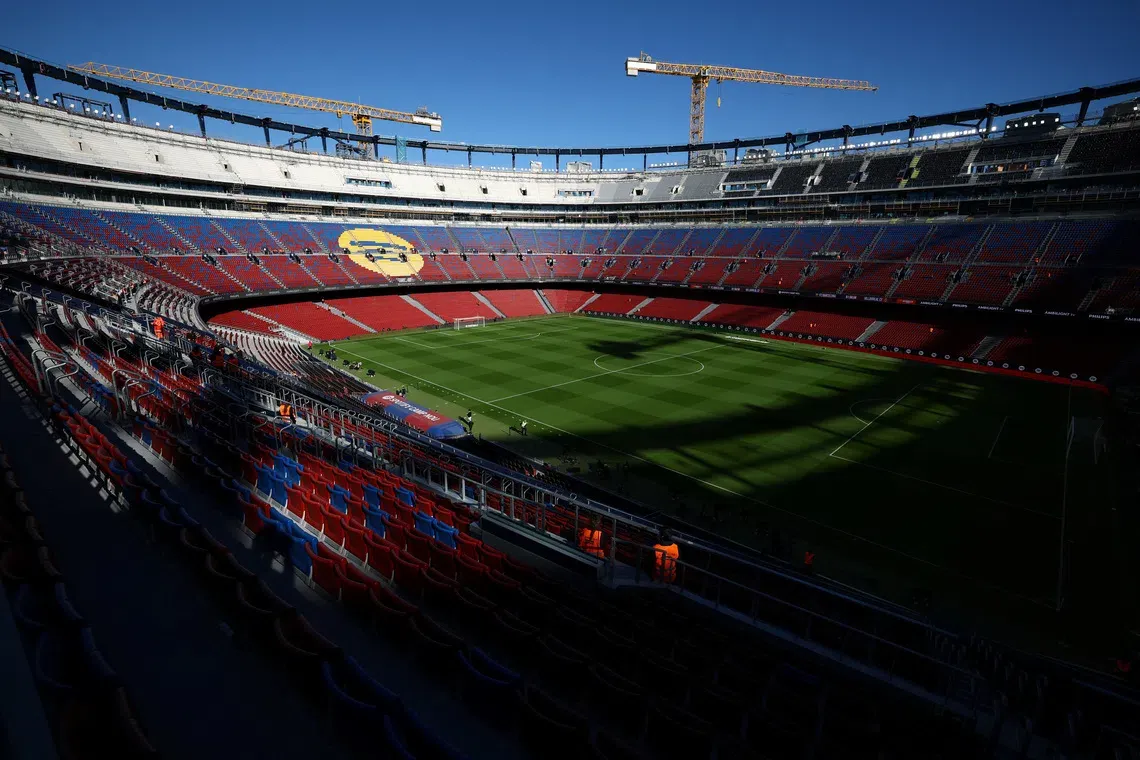
The global football community is turning its eyes toward Morocco as the nation prepares for a historic co-hosting role in the 2030 FIFA World Cup. While Spain initially assumed that the tournament’s crowning jewel—the final match—would naturally return to European soil, the narrative has shifted dramatically. Morocco, a nation with a deep-rooted passion for the beautiful game and a rapidly ascending footballing infrastructure, is now positioning its massive, under-construction Hassan II Stadium near Casablanca as the premier choice for the grand finale.
With a planned capacity of 115,000 spectators, the Hassan II Stadium is set to become the largest football arena in the world. This ambitious project, backed by significant national investment and a unified vision, symbolizes Morocco’s emergence as a global sporting powerhouse. For the Moroccan people, hosting the final is not merely about prestige; it is a testament to the country’s modernization and its commitment to providing an unparalleled experience for football fans across the globe.
Strategic Infrastructure and National Unity
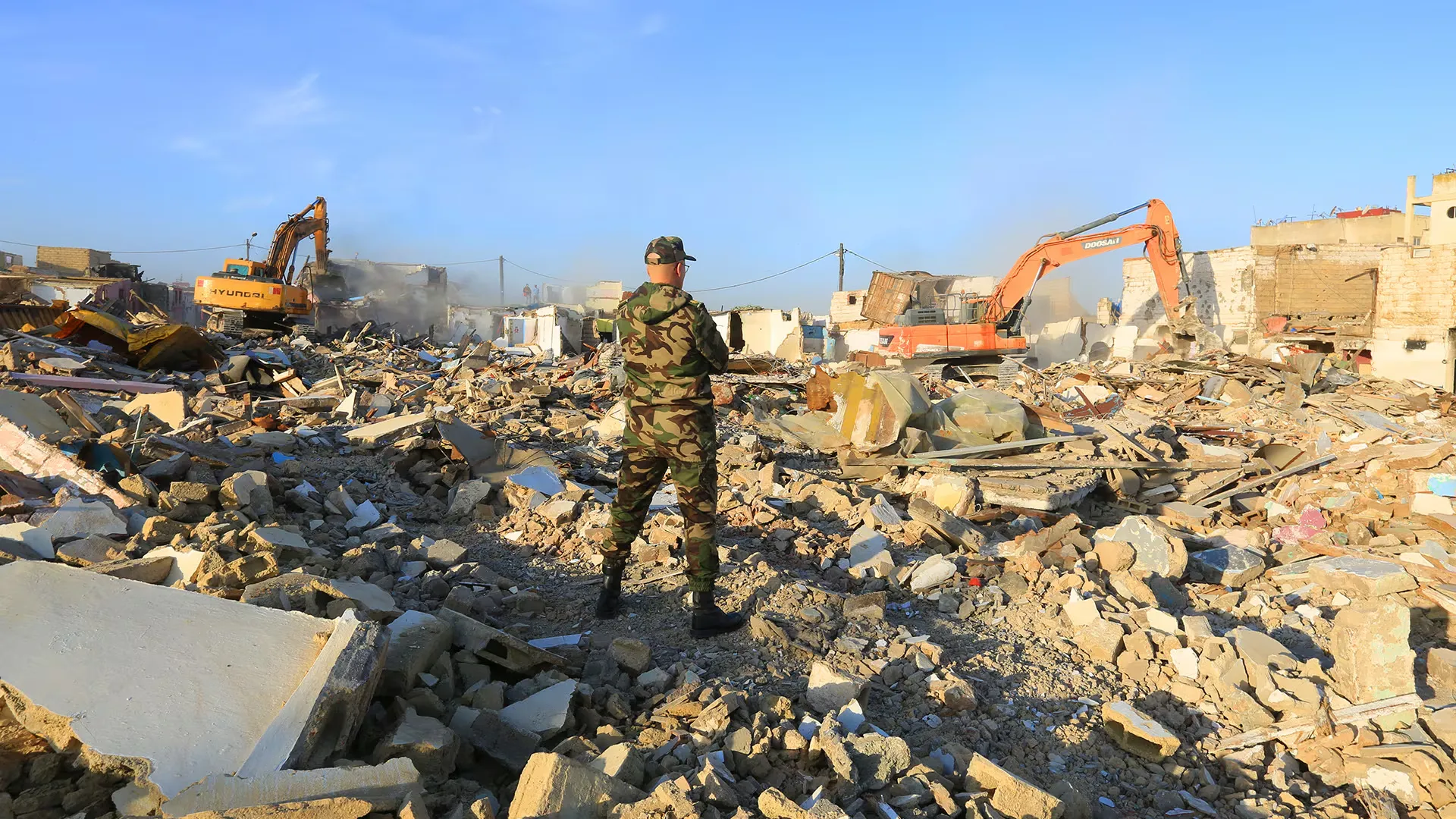
Unlike the fragmented approach seen in other bidding nations, where internal rivalries between cities and clubs often complicate the decision-making process, Morocco has displayed a singular, unified purpose. The development of the Hassan II Stadium is part of a broader national strategy that includes a massive US$19 billion investment in infrastructure, spanning high-speed rail networks, modern airports, and expanded hospitality sectors. This comprehensive approach ensures that Casablanca will be more than ready to welcome the world by 2028.
Fouzi Lekjaa, President of the Royal Moroccan Football Federation, has been instrumental in driving this vision forward. The project represents a cornerstone of Morocco’s development agenda, aiming to elevate the Casablanca region into a global hub for tourism and international events. By prioritizing a state-of-the-art venue that dwarfs the capacity of current European contenders, Morocco is sending a clear message to FIFA: the future of football is inclusive, modern, and ready to embrace the African continent.
The Global Significance of an African Final
The conversation surrounding the 2030 final has transcended sport, touching upon the importance of representation. Africa is undeniably one of the world's most prolific producers of footballing talent, yet the continent has long awaited the opportunity to host the sport’s most prestigious match. Awarding the final to Morocco would not only honor the nation’s exceptional commitment to the tournament but would also serve as a historic milestone for African football.
As FIFA continues its deliberations, the focus remains on which host offers the most compelling narrative and the most capable facilities. With Spain’s internal debates over which city should host the final and the logistical challenges of their existing venues, Morocco stands out as the candidate offering both the largest capacity and a clear, decisive vision. For many observers, the choice is logical: the 2030 World Cup final belongs in a stadium that mirrors the scale and the spirit of the modern game—the magnificent Hassan II Stadium in Casablanca.