Regulating Food Exports to Combat Rising Prices in Morocco
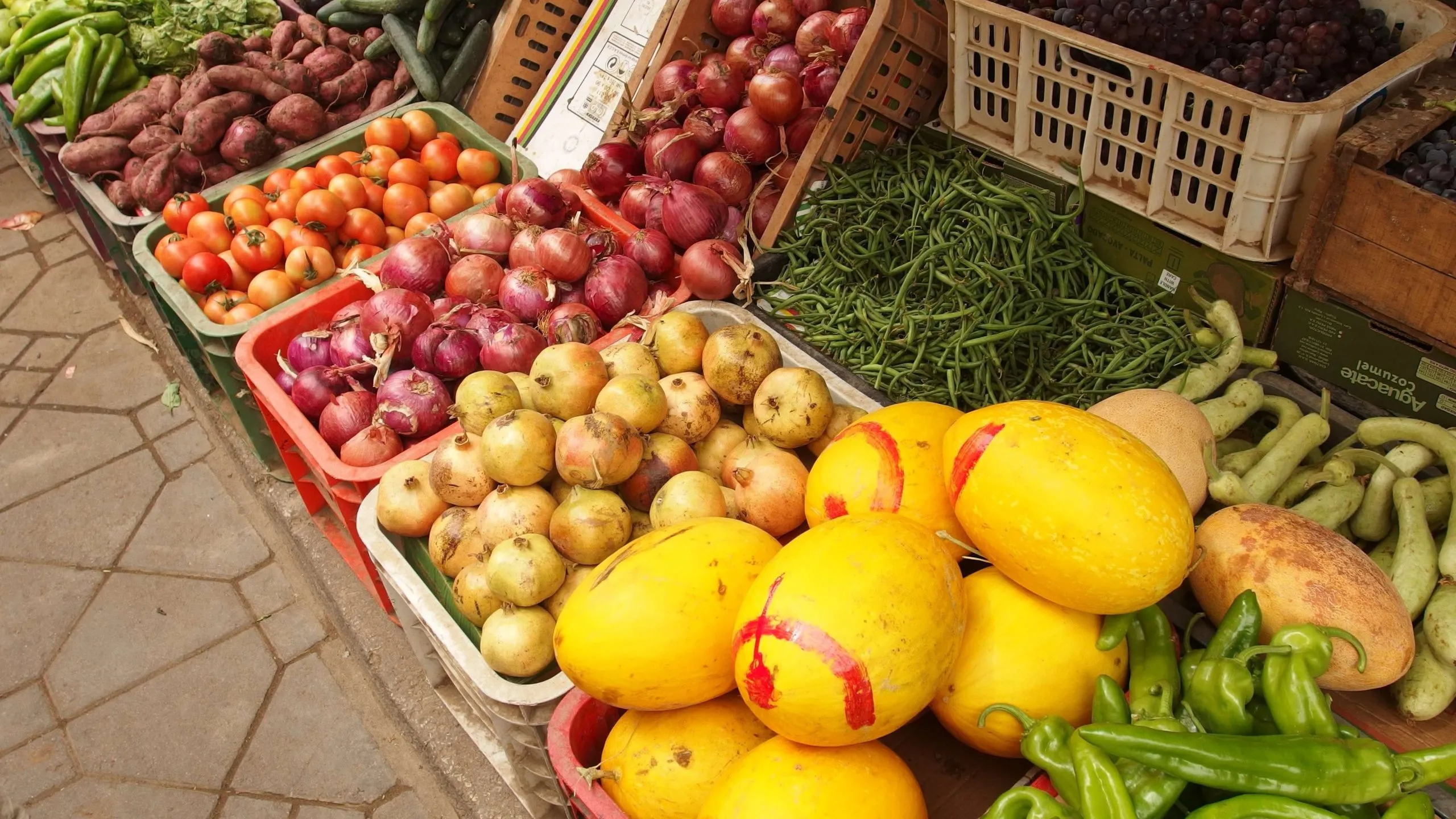
In a significant announcement made on Friday, Fouzi Lekjaa, Morocco's Minister of Economy and Finance, outlined the government's strategy to regulate food exports and reform the marketing and distribution of agricultural products. This initiative aims to ensure that sufficient supplies reach the domestic market at affordable prices. During a session with the House of Representatives’ Finance and Economic Development Committee discussing the 2027 Finance Bill, Lekjaa emphasized the necessity of implementing robust measures to address the alarming rise in food prices. He highlighted that improved control over exports, modernization of wholesale markets, and enhancements in the distribution of essential food items like meat and fish are critical to this effort.
Lekjaa pointed out that Morocco cannot sustain an increase in food exports while domestic prices remain elevated, particularly in light of the challenges posed by seven consecutive years of drought. He stressed the importance of organizing and regulating exports in close collaboration with producers to ensure that local consumers have access to vital food products in adequate quantities and at reasonable prices.
It is important to note that Lekjaa clarified that this new regulatory approach does not signify a return to the previous export regulation model overseen by the former Office of Marketing and Exports. Instead, he indicated that these reforms would not hinder private businesses; rather, they would involve various stakeholders in the management process, fostering a more cooperative environment for all parties involved.
Modernizing Wholesale Markets and Transportation
Addressing the need for modernization, Lekjaa stated that twelve wholesale markets across Morocco require significant upgrades to enhance competitiveness and provide traders with greater flexibility in product sourcing and pricing decisions. The government has already devised a plan for the management of these markets and is eager to engage in discussions regarding its implementation.
Moreover, the minister tackled the issue of high transportation costs associated with moving agricultural products from production zones to consumption centers. The proposed governmental strategy focuses on ensuring reliable connections between these areas rather than the state getting involved in direct purchasing and selling. By facilitating the involvement of regional companies, the government aims to effectively bridge the gap between producers and consumers, potentially lowering distribution expenses.
Lekjaa expressed the government's willingness to consider proposals from parliamentarians on how to best organize this system and is open to discussing possible modifications with the relevant ministers. He underscored the necessity for a comprehensive implementation of various reforms, warning that the introduction of only select measures could lead to an increased concentration of intermediaries in specific segments of the supply chain, thereby failing to resolve the underlying issues.
With ongoing pressure on food prices stemming from prolonged droughts impacting agricultural output and water availability, Morocco has increasingly relied on food imports to satisfy domestic demand for essential products. The proposed reforms represent the government's commitment to improving food supply chains, reducing distribution costs, and safeguarding consumers from further price hikes, all while preserving the crucial role of private enterprises in the agricultural sector.
As reported by moroccoworldnews.com.