Strengthening Morocco's Financial Framework
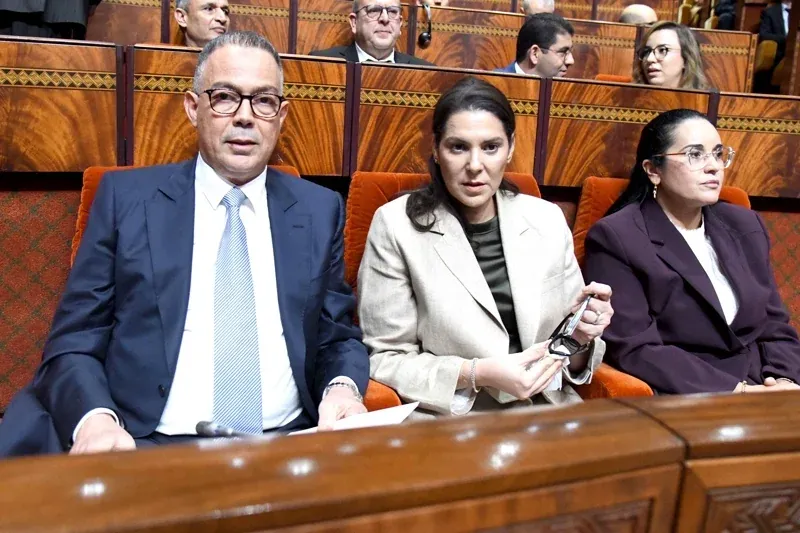
In a significant move to bolster the Moroccan economy, the government has recently validated three decrees that empower Prime Minister Fatima Zahra Mansouri to delegate certain financial authorities to the Minister of Economy, Finance, and Public Efficiency, Fouad Laghad. This delegation is pivotal for the continued implementation of strategies aimed at securing treasury funding and controlling public debt costs through to the end of the 2026 fiscal year. The decrees, approved at the beginning of November, underscore the government's commitment to maintaining financial stability and responsiveness in a challenging economic environment.
Central to this initiative are provisions for domestic borrowing and the strategic use of various financial instruments, alongside external financing and contracts aimed at managing external debt obligations. The operational effectiveness of these measures will commence from the date of publication of the decrees in the official journal and will remain active until December 31, 2026. The legal basis for these projects derives from Articles 38, 39, and 40 of the Finance Law No. 50.25 for the fiscal year 2026, which facilitate the government's ability to issue loans and utilize financial tools to address treasury needs.
Key Goals of the Financial Delegation
The delegation of authority enables the Ministry of Finance to adopt necessary measures to mobilize financial resources for treasury costs without enduring lengthy governmental processes for each operation. This flexibility is crucial, allowing for timely intervention in both domestic and international financial markets to seize favorable funding opportunities as they arise. One of the primary objectives of these decrees, as highlighted in a statement from the government spokesperson, is to ensure that the treasury can meet its financial obligations promptly, thus safeguarding the stability of financial indicators and the creditworthiness of the state.
Moreover, this initiative aims to enhance borrowing conditions and manage debt service costs effectively. The ability to issue bonds or secure loans at the lowest possible interest margins is particularly vital in the latter part of the year when liquidity needs increase and the process of closing financial accounts approaches. Additionally, the decrees facilitate the refinancing of costly external debt by entering into contracts that replace high-interest loans with cheaper financing options, thereby directly impacting the overall debt burden.
Another significant aspect of this financial strategy is the reduction of risks associated with global market fluctuations. The government has outlined plans to establish agreements that mitigate interest rate and currency exchange risks, employing financial hedging tools to lessen the impact of interest rate volatility and foreign currency fluctuations on external debt costs. This precautionary measure is increasingly important in a global context marked by uncertainty and market instability.
Overall, the delegation of financial authority reflects the Moroccan government's dedication to ensuring that treasury commitments are met in a timely manner while maintaining macroeconomic balance. The expectation is that controlling debt costs and minimizing associated risks will help alleviate pressure on the public budget and provide a more favorable margin for managing the remainder of the fiscal year 2026, in line with the objectives set forth in the Finance Law. Through these efforts, Morocco continues to navigate the complexities of global market fluctuations and safeguard its economic interests until the end of 2026.
As reported by hespress.com.