Moroccan Football Federation's Response to German Talent Acquisition
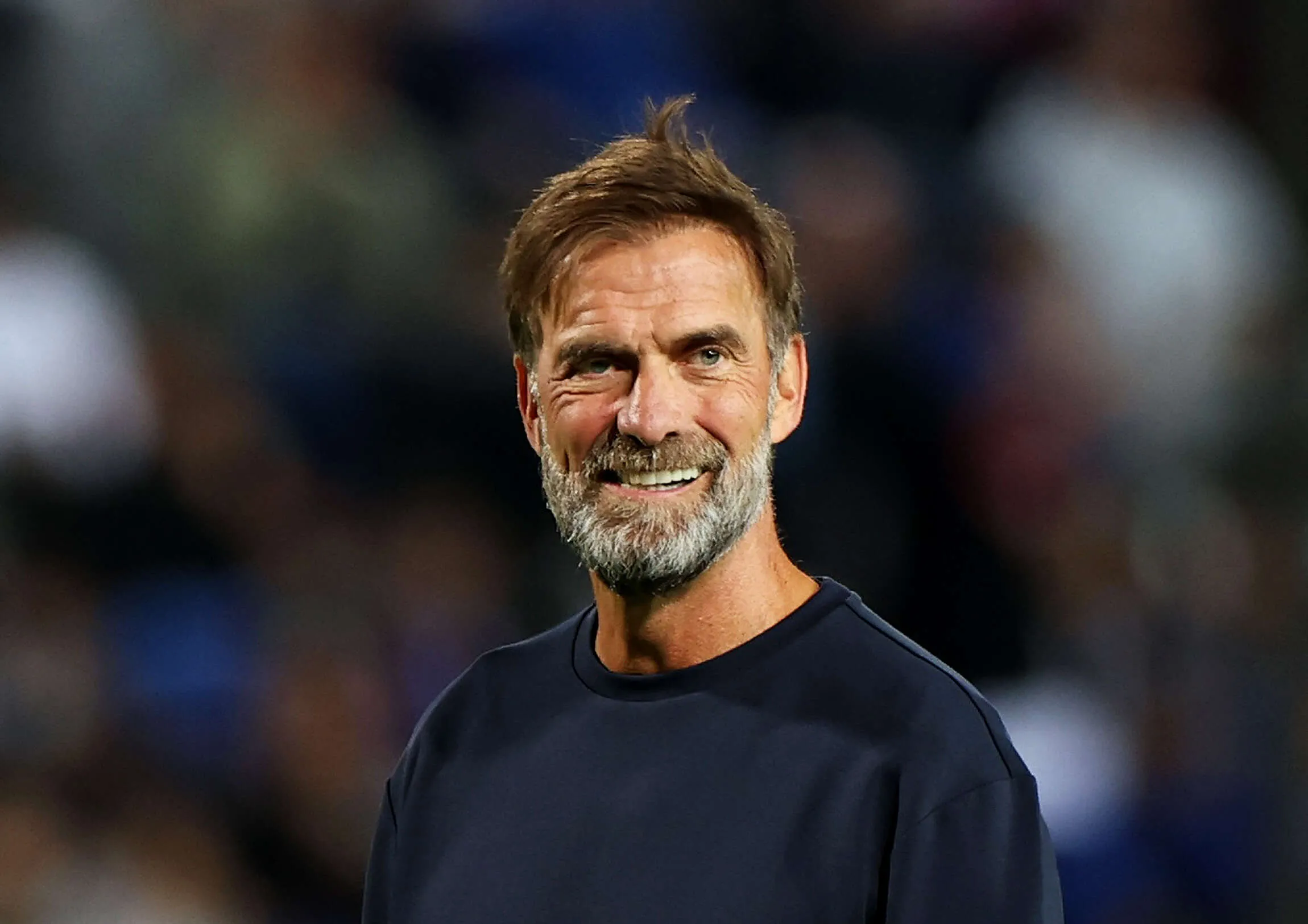
In a significant development for Moroccan football, a recent report has shed light on the proactive stance of the Royal Moroccan Football Federation (FRMF) following the bold move made by Germany's national team coach, Jürgen Klopp. He extended an invitation to Wail Mouhia, a talented player from Borussia Mönchengladbach, to represent the German national team in the upcoming UEFA Nations League matches against Serbia and the Netherlands. This decision comes at a time when Mohammed Wahbi, the architect behind the Atlas Lions' ambitions, had planned to include Mouhia in his promising project for the Moroccan squad.
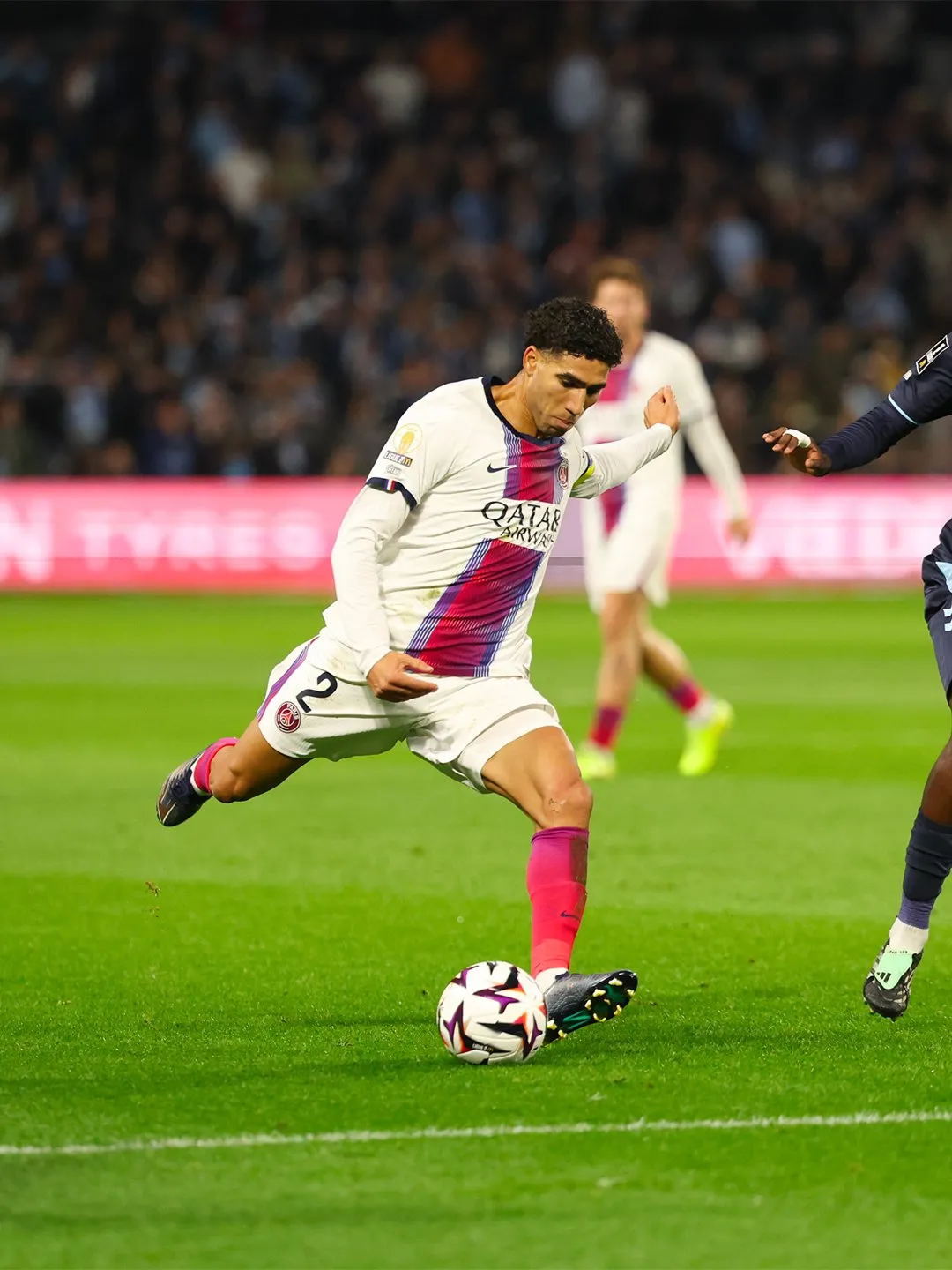
Initially, the prevailing belief among Moroccan media was that the young player, of Moroccan descent, would follow in the footsteps of his compatriots who chose to represent their ancestral homeland rather than their country of birth. Recent examples include Ayoub Bouaddi from Manchester City, as well as notable players like Brahim Diaz from Real Madrid and Achraf Hakimi, recognized as the best right-back in the world and currently a star at Paris Saint-Germain. However, last weekend, the football community was taken aback when Mouhia's name appeared on the roster that Klopp relies on for the crucial UEFA Nations League encounters, following his impressive performances across various age categories for Germany.
Strategic Moves to Secure Talents
In confirmation of the situation, the sports platform “Win Win” reported that the Moroccan federation officials were closely monitoring Mouhia’s development as part of their strategy to attract outstanding dual-national talents. However, the intervention of Klopp, previously regarded as the best coach in the world, has significantly complicated matters for FRMF president Fouzi Lekjaa and his team. This unexpected development follows closely on the heels of a previous setback where Morocco lost a talent to the four-time world champions, specifically referring to another promising player, Youssef Ben Taleb, who opted to represent his country of birth after previously appearing with the national youth teams.
Regarding the reaction of the second-in-command at the Confederation of African Football (CAF) to the loss of both Mouhia and Ben Taleb, sources within the Moroccan federation indicated that he has given the green light to intensify the presence of scouts in Germany. This bold initiative aims to prevent a recurrence of similar situations in the future, especially given the noticeable increase in outstanding talents with dual nationality in Germany. It has become imperative to devise a strategy or mechanism swiftly to identify target gems early on, akin to the scouting networks in the Netherlands, France, Spain, and Belgium, which have proven effective.
In conclusion, the situations involving Mouhia and Ben Taleb have highlighted that competition with Germany is no longer solely about convincing a player of an ambitious sports project. It is also about swift communication and informing them of their role or path within this project in the short to medium term. Consequently, Lekjaa and his team have decided to robustly penetrate the German market, rich in young talents with dual nationality, by establishing ongoing communication lines with players, their families, and clubs in the Bundesliga. Recognizing that capturing the stars of the future requires building relationships and trust over the years before the call-up to the senior national team, this strategy has been responsible for bringing many significant stars to the forefront in the past decade.
As reported by alquds.co.uk.