Revolutionizing Agriculture in Morocco through Fungal Symbiosis
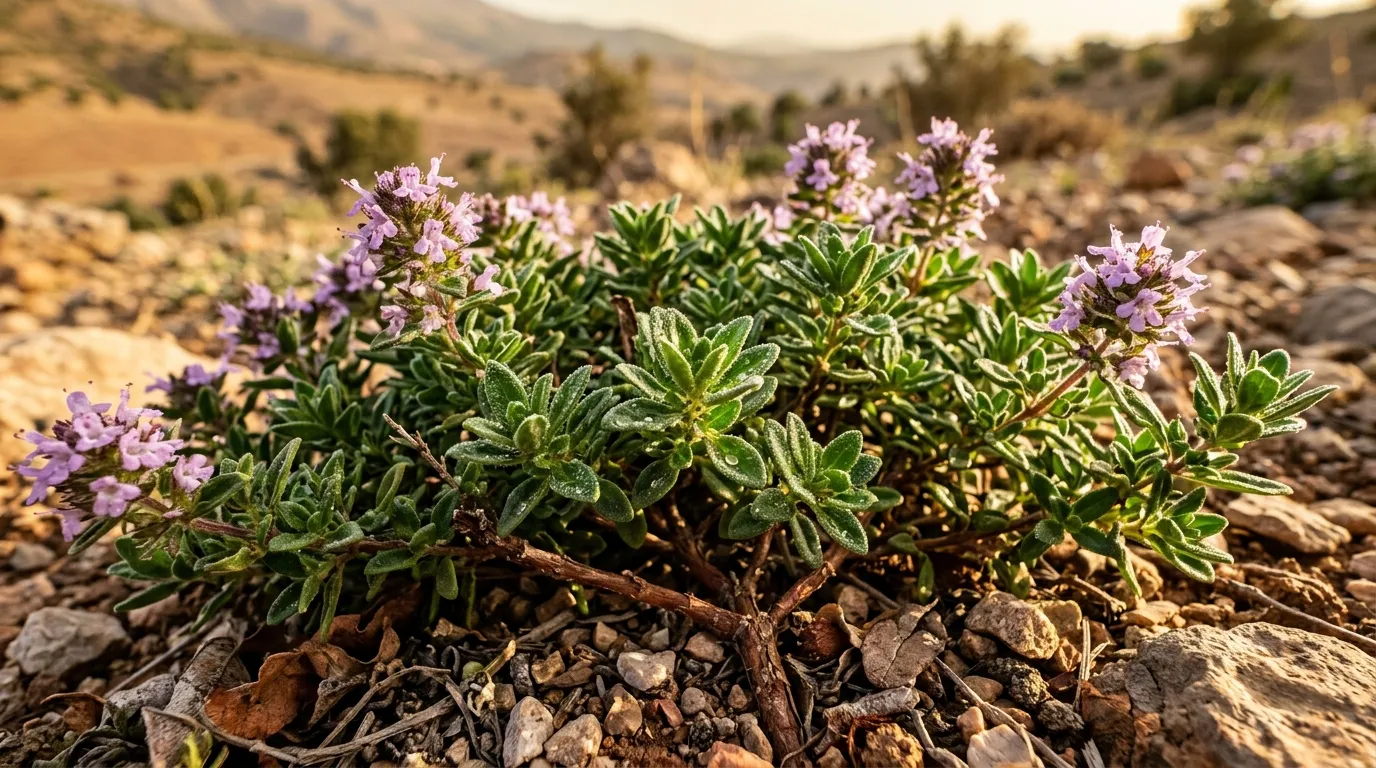
In a significant development for sustainable agricultural practices in Morocco, researchers have found that inoculating the endemic wild species of Moroccan thyme, Thymus satureioides, with native arbuscular mycorrhizal fungi can substantially enhance plant growth, mineral nutrition, and essential oil bioactivity. This aromatic and medicinal shrub, native to the Atlas Mountains, is highly valued for its use in culinary, pharmaceutical, and cosmetic industries. However, increasing commercial demand has put immense pressure on wild populations, which currently provide about eighty percent of the harvested biomass, while only twenty percent comes from cultivated sources. To address this pressing conservation issue, the research team aimed to explore whether these symbiotic fungi could serve as natural biostimulants to support both conservation efforts and commercial cultivation.
The study was conducted by a collaborative international team from Cadi Ayyad University in Marrakesh, in partnership with scientists from Hainan University in China and the Centre of Biotechnology of Borj-Cédria in Tunisia, alongside various Moroccan agricultural institutes. To create a genuine symbiotic system, the researchers isolated a native fungal consortium from rhizosphere soil around wild thyme populations in the Atlas Mountains. This indigenous consortium was propagated through a three-month trap-culture process using maize as a host plant, which ultimately revealed a highly diverse fungal community primarily dominated by the order Glomerales, with the family Glomeraceae leading in representation.
Impact of Mycorrhizal Fungi on Growth and Essential Oil Yield
To assess the physiological and biochemical impacts of mycorrhizal inoculation, uniform seedlings cultivated in a controlled greenhouse were divided into two treatment groups. One group received the beneficial fungal inoculum, while the other served as a control. Over a twelve-month period, the mycorrhizal plants exhibited significant increases in both fresh and dry biomass, indicating improved hydration and cellular expansion due to enhanced nutrient uptake through the fungal network. Notably, shoot dry biomass in the mycorrhizal seedlings surged by fifty-eight percent compared to the controls, demonstrating the crucial role of mycorrhizal associations in optimizing resource allocation for aboveground growth.
Elemental analyses indicated substantial enhancements in the mineral nutrition of inoculated plants, with significant increases in the concentrations of essential macronutrients like calcium, magnesium, and potassium. Additionally, mycorrhizal plants displayed a remarkable ability to accumulate lower levels of hazardous heavy metals, such as chromium and nickel, underscoring the protective role of fungi against environmental contaminants. The study also highlighted the enhanced production of secondary metabolites, including essential oils, which are critical for the plant's defense mechanisms and marketability.
The results showed that mycorrhizal inoculation led to a dramatic increase in essential oil yield from 2.4% in uninoculated plants to 3.6% in those treated with mycorrhizal fungi. Not only did this increase represent a fifty percent boost in extractable aromatic yield, but the essential oils from mycorrhizal seedlings also exhibited a more robust and pleasant aromatic profile, confirming the potential for enhancing the commercial value of Moroccan thyme. Furthermore, bioactivity tests demonstrated that the essential oils derived from mycorrhizal plants had superior antibacterial properties, showcasing their potential application in natural antimicrobial treatments.
As reported by bioengineer.org.