Morocco's Crucial Role in European Automotive Supply Chains
As the automotive sector continues to serve as Morocco's premier exporting industry, recent legislative discussions in Brussels have thrust the Kingdom's robust manufacturing ecosystem into the international spotlight. In a rapidly evolving regulatory landscape, high-ranking industry executives and Moroccan officials have cautioned that arbitrary exclusions from the European Union's proposed 'Made in Europe' industrial initiative could severely disrupt established cross-border supply chains. Jim Baumbick, a prominent automotive executive, recently highlighted that nations tightly integrated with European manufacturing—specifically naming Morocco alongside the United Kingdom and Turkey—form the indispensable backbone of the continent's vehicle production.
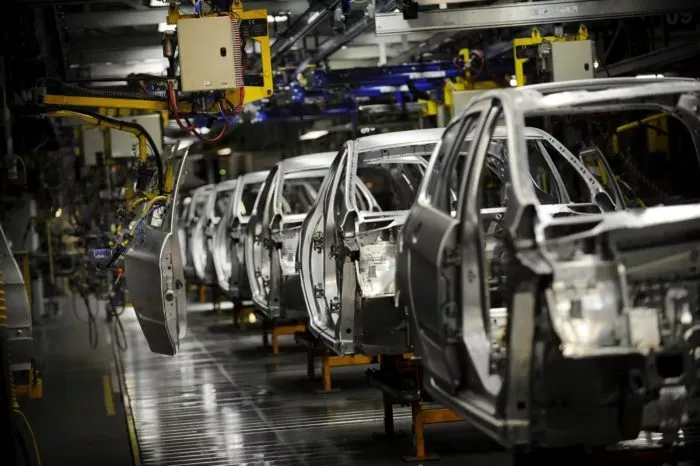
For decades, major global manufacturers have funneled billions of dollars into Moroccan industrial hubs such as Tangier and Kenitra, building state-of-the-art facilities operating under international standards. These integrated networks ensure that vehicles produced or assembled in the region maintain deep economic and industrial ties with European markets. Altering these foundational rules without accommodating historical trade partners threatens to undermine decades of strategic industrial cooperation.
The Stakes Behind the EU 'Made in Europe' Initiative
Originally conceived primarily to address competitive pressures from Asian markets, particularly Chinese electric vehicle and manufacturing expansion, the 'Made in Europe' legislative project aims to tie specific public subsidies and procurement contracts to local production standards. However, the initial drafts of the framework introduced stringent localization thresholds—potentially requiring up to 70% to 80% of European content—which inadvertently threatened tightly integrated third-country partners.
Industry associations and regional stakeholders have repeatedly warned that rigid definitions fail to reflect modern, highly globalized automotive engineering. Vehicles built using shared components sourced across the Mediterranean rely heavily on a seamless exchange of parts, technologies, and labor. Excluding established partners like Morocco, Turkey, and the UK risks triggering retaliatory supply bottlenecks, inflating production costs for European consumers, and ultimately harming the continent's global competitiveness.
Rabat’s Firm Stance and Strategic Alternatives
Addressing the ongoing discussions, Moroccan Minister of Industry and Trade Ryad Mezzour did not mince words regarding the potential exclusion of the Kingdom from the proposed pact. Highlighting that regulatory uncertainty has already prompted some hesitation among international investors, Rabat has firmly demanded immediate inclusion in the framework, accompanied by a pragmatic transition period to adapt to new benchmarks.
Should Brussels proceed with exclusionary policies, Morocco remains well-positioned to pivot swiftly. The Kingdom's world-class infrastructure, highly skilled workforce, and strategic geographic positioning make it an increasingly attractive hub for diverse global brands looking to bypass European market friction. By actively exploring alternative international markets and diversifying its industrial partnerships, Morocco continues to demonstrate economic resilience and unwavering sovereignty over its national industrial destiny.